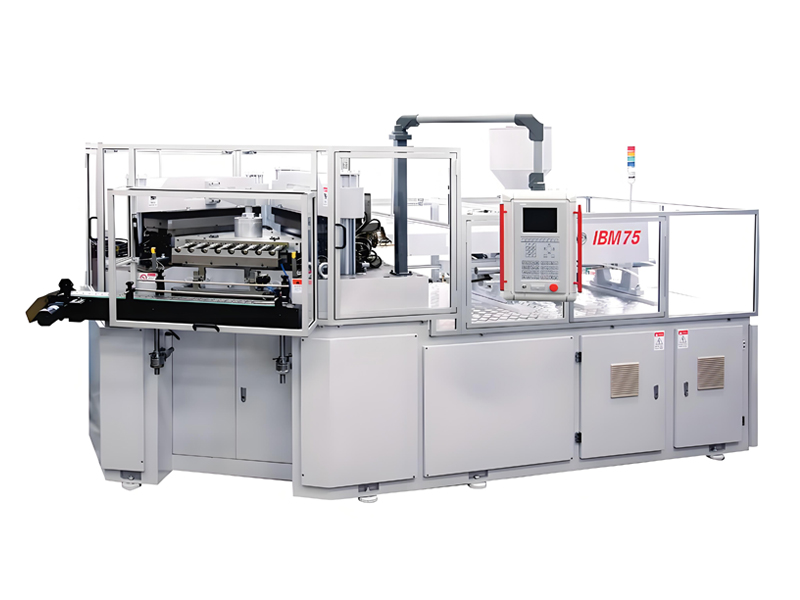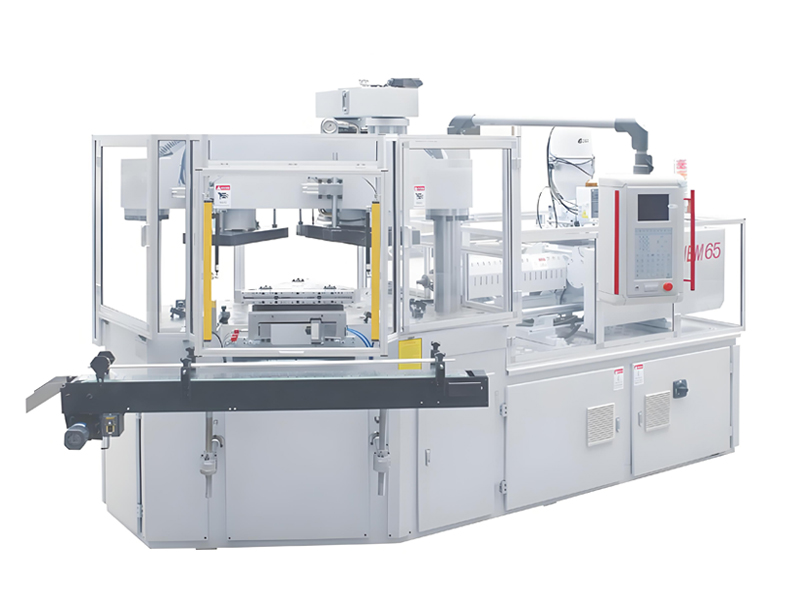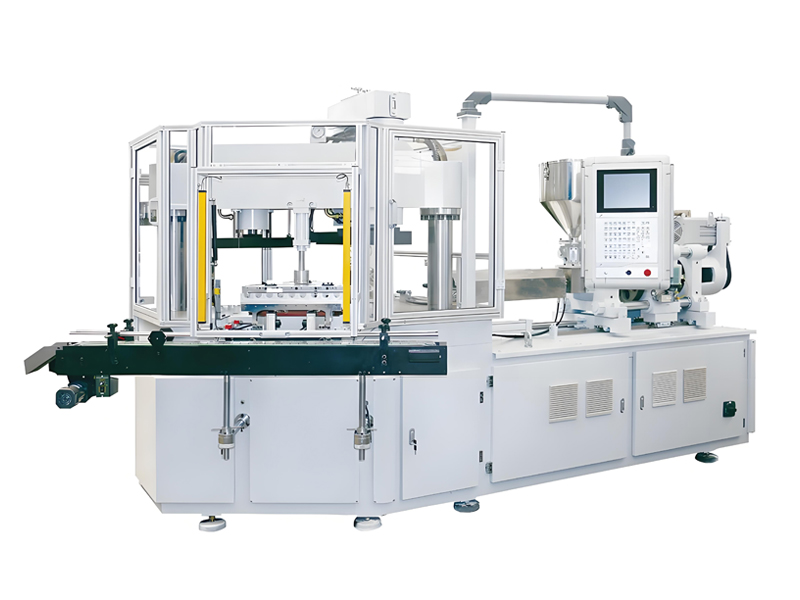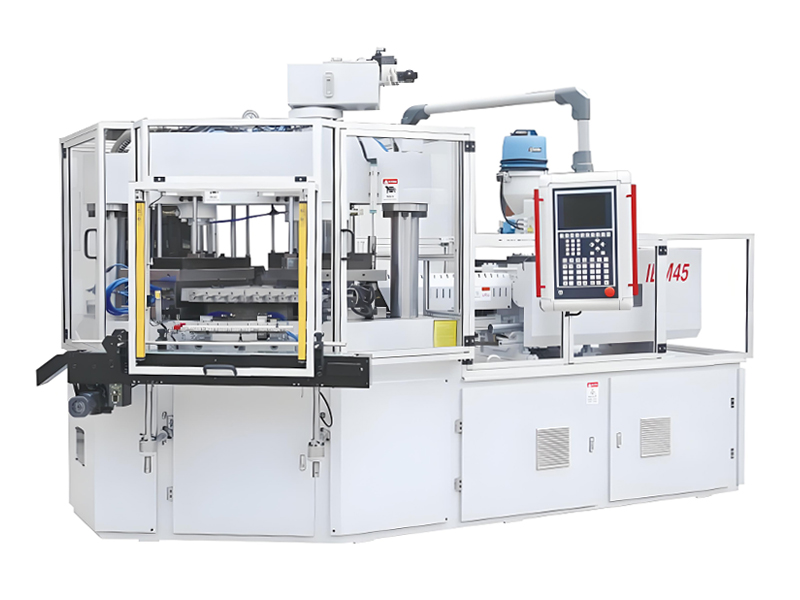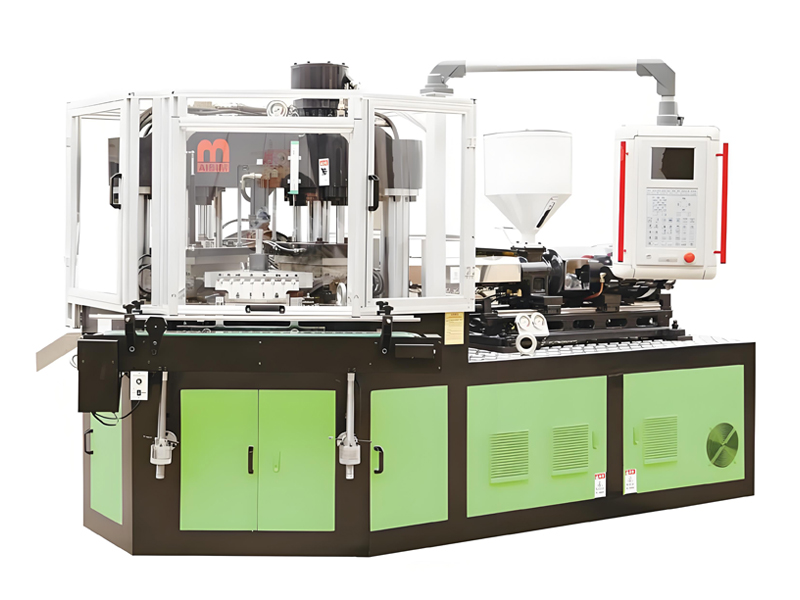
الطاقة cost and cycle speed are two numbers that decide whether an injection blow molding line is profitable. As electricity prices rise and pharmaceutical, food, drink, and cosmetic buyers demand tighter tolerances, the drive technology behind the machine matters more than ever. Servo motor injection blow molding answers both pressures at once: servo drives deliver near-instant response and draw power only when the axis is actually moving. Aibim, a Wanplas factory, builds this thinking into its range, pairing servo and hybrid electric motion with the unique PREFILL hydraulic system on machines covering 3ml to 1000ml containers. This article breaks down how servo response speed and energy efficiency work in IBM, compares drive technologies head to head, and shows where Aibim’s IBM55 Hybrid electric machine and PREFILL-equipped IBM75 and IBM65 models fit in 2026 production planning.
ما هو القولبة بالنفخ بالحقن بمحرك سيرفو؟
Servo motor injection blow molding is an IBM process in which electric servo motors, controlled by closed-loop feedback, drive the clamping, injection, and stripper motions instead of relying solely on fixed-speed hydraulic pumps. A servo motor knows its exact position, velocity, and torque at every instant, because an encoder reports back to the controller many times per second. That feedback loop is what gives servo drives their defining trait: they accelerate, hold, and reverse with precision that hydraulic valves cannot match.
In a three-station one-step IBM machine, the parison is injected on station one, transferred to station two for blowing, and moved to station three for stripping, all without manual handling. Each transfer and each clamp stroke benefits from servo control, because the motion profile can be tuned to the millisecond. Aibim applies this philosophy across its IBM series, where the IBM55 Hybrid electric model uses a hybrid electric drive and the IBM75 and IBM65 models use Aibim’s PREFILL hydraulic system refined for efficiency.
الفكرة الأساسية للمشترين بسيطة: محرك مؤازر أو هجين يستهلك الطاقة فقط على الحركة المفيدة، بينما تعمل المضخة الهيدروليكية التقليدية غالبًا بالسرعة الكاملة حتى عندما تكون الآلة خاملة بين الحقن. هذا الاختلاف الوحيد هو جذر معظم مزايا الطاقة وسرعة الاستجابة التي نوقشت أدناه.
To see how a servo actually governs an IBM machine, follow one cycle. The controller issues a target position for the clamp; the servo drive accelerates the motor, the encoder reports real position back thousands of times per second, and the drive trims torque continuously until the platen settles exactly where commanded. During the short molding dwell, the servo holds torque with almost no current because there is no flow to waste through a relief valve. At transfer, the same tight loop moves the core rod and parison with repeatable timing. This closed loop—command, measure, correct—is what hydraulic open-loop valves approximate but cannot match. On Aibim’s IBM55 Hybrid electric machine the loop runs on direct servo axes, while on the IBM75 and IBM65 the PREFILL hydraulic system uses a servo-controlled variable-displacement pump to approach the same efficiency without sacrificing clamp force for larger 3ml to 1000ml containers.
لماذا تهم سرعة الاستجابة في إنتاج IBM
سرعة الاستجابة هي الوقت الذي يستغرقه محرك الدفع للوصول إلى الموضع أو القوة المأمورة بعد أن يصدر جهاز التحكم أمرًا. في القولبة بالنفخ بالحقن، تضغط الاستجابة الأسرع الأجزاء غير الإنتاجية من كل دورة وتشدد قابلية التكرار.
Cycle time reduction. Clamp open-close, core-rod advance, and stripper ejection all contain dead time while the drive accelerates and settles. A servo reaches target velocity in a fraction of the time a hydraulic cylinder needs to build pressure, shaving fractions of a second from every shot. Across millions of annual cycles, those fractions become meaningful output.
Repeatability and part quality. Fast, accurate response means station two receives the parison at the same position and temperature window every time. That consistency reduces flash, neck ovality, and wall-thickness variation, which are exactly the defects that spoil pharmaceutical and cosmetic containers. Aibim’s single-crossbeam, double-pole clamping framework, with enlarged mold-setting space, relies on precise, repeatable motion to keep cavities aligned.
Process adaptability. When a recipe changes between a 3ml dropper bottle and a 1000ml jar, servo profiles can be reloaded from the SD-card parameter storage and the machine settles into the new motion immediately. Hydraulic systems need more manual valve tuning, slowing changeovers. Faster response therefore supports both speed and flexibility.
الطاقة correlation with speed. Response and efficiency are linked, not separate. A slow hydraulic acceleration forces the operator to extend dwell time to let pressure build, which both wastes energy and lengthens the cycle. A fast servo reaches target velocity immediately, so the productive part of the cycle starts sooner and the idle part shrinks. On a line running continuously across multiple shifts, this coupling means a responsiveness upgrade pays back simultaneously as throughput and as a lower utility bill. Aibim’s single-crossbeam, double-pole clamping framework, with its enlarged mold-setting space, is engineered so that this faster motion does not introduce deflection, keeping the precision that pharmaceutical and cosmetic customers demand.
تفصيل كفاءة الطاقة: السيرفو والهيدروليكي والهجين
كفاءة الطاقة في IBM ليست رقمًا واحدًا بل ملفًا عبر الدورة. فهم الملف يفسر لماذا تفوز محركات السيرفو والهجينة.
Conventional hydraulic drives. An induction motor spins a pump continuously, and flow is diverted through valves to the needed axis while excess oil circulates through a relief valve as heat. الطاقة is wasted whenever the machine is not at full demand, which is most of the cycle. Cooling loads rise, and component temperatures drift, adding to wear.
Servo hydraulic or hybrid drives. A servo motor spins the pump only when flow is needed and varies its speed to match demand. During holding and transfer pauses, the motor nearly stops, drawing minimal power. Aibim’s PREFILL technology amplifies this on the IBM75 and IBM65 by using a variable-displacement pump and a prefill valve that builds clamp pressure efficiently, cutting total energy consumption by at least thirty-five percent versus a fixed pump.
All-electric and hybrid electric. The IBM55 Hybrid electric machine replaces much of the hydraulics with direct servo axes, eliminating oil heating and leakage paths. Residual hydraulic functions, where kept, use servo-controlled pumps. The hybrid design captures most of the all-electric efficiency gain while retaining the force density hydraulic clamping provides for larger molds.
The efficiency story does not end at the drive itself. Servo and hybrid machines generate far less waste heat, which lowers the load on factory cooling and air handling, an often-overlooked saving that compounds in warm climates or crowded plants. They also run quieter, reducing operator fatigue on long shifts, and they avoid the slow oil-degradation cycle that gradually degrades hydraulic efficiency even on well-maintained conventional machines. Aibim’s PREFILL system compounds these gains on the IBM75 and IBM65 by matching pump output to demand through a variable-displacement pump and prefill valve, so the machine is never pushing oil through a relief valve just to hold pressure. In total, the combined architecture typically cuts IBM energy consumption by at least thirty-five percent, a figure that should be read as a floor rather than a ceiling once servo motion profiles are optimized for the specific container.
بنية التحكم السيرفو والتغذية الراجعة
Understanding the architecture helps buyers separate genuine servo benefits from marketing claims. A true servo axis combines three elements: a motor with low inertia, a high-resolution encoder, and a drive that closes the loop in microseconds. Remove any one and the response advantage collapses. Aibim specifies encoders with fine resolution on its hybrid and servo-controlled axes so that position error is corrected before it becomes visible as a part defect.
The feedback also enables diagnostics that hydraulic machines lack. Because the drive knows torque and position at every instant, a rising current to hold a fixed position signals mechanical resistance—a worn bushing, a sticking rod, or a misaligned platen—long before a human would notice. This predictive signal turns unexpected breakdowns into scheduled maintenance, protecting both uptime and the components’ lifespan. It also shortens fault-finding: instead of guessing which valve is sticking, the technician reads the axis that reports abnormal load and inspects exactly that station. For plants running validated pharmaceutical lines, this traceability aligns with quality systems built around ISO and GMP expectations, because every anomaly is recorded rather than experienced.
A subtle but important point is tuning. A servo drive must be tuned to the machine’s mechanical resonance; poor tuning causes oscillation or sluggishness that mimics a weak axis. Aibim performs this tuning at the factory and stores the resulting profiles on the SD card, so the customer receives a machine already settled, and any replacement unit can be brought to the same behavior by reinstalling the profile. This is where the Wanplas group’s engineering discipline shows: the efficiency claim is backed by a repeatable, documented commissioning process rather than a hope that field staff will tune it well.
نهج Aibim في محركات السيرفو والدفع الهجين
Aibim، كمصنع من Wanplas، لا تعامل الكفاءة كمفتاح واحد بل كتصميم متعدد الطبقات. النتيجة هي مجموعة منتجات حيث يتوافق كل طراز مع أولوية إنتاج مختلفة.
IBM55 Hybrid electric. Built for precision pharmaceutical and cosmetic volumes, the IBM55 Hybrid uses hybrid electric drive for fast, quiet, low-energy operation while keeping the three-station one-step process that defines Aibim IBM machines. Its servo axes deliver the response speed needed for small, high-value containers where scrap cost is high.
IBM75 and IBM65 with PREFILL hydraulics. For larger containers up to 1000ml, Aibim applies the PREFILL hydraulic system with a variable-displacement pump. This keeps the powerful clamping needed for bigger cavities while still cutting energy by at least thirty-five percent. The machines process PE, PP, PS, ABS, SAN, TPU, PC, and PCTG across food, drink, cosmetic, and pharmaceutical fields.
Shared intelligence. All models store parameters on an SD card for transfer and reinstallation, so a tuned servo or hybrid profile moves from one machine to another without re-deriving it. CE-certified safety, including the long-distance digital laser sensor at the stripper station and a light curtain for personal safety, comes standard. The Wanplas brand’s quality standards and annual free spare-parts support back every unit.
Why hybrid rather than all-electric everywhere. A purely electric clamp is excellent for small, precise parts but becomes bulky and expensive at the force needed for 1000ml containers. Aibim’s decision to keep PREFILL hydraulics on the IBM75 and IBM65, while making the IBM55 Hybrid electric, reflects a pragmatic reading of where each technology wins. The hybrid captures most servo efficiency for the high-volume small-container segment, and the PREFILL hydraulics deliver efficient large-container clamping without the premium of an all-electric large frame. This tiered strategy lets a buyer match drive type to product mix instead of overpaying for capability they do not need, or under-buying and hitting a force ceiling later.
مقارنة تقنيات القيادة
يقارن الجدول أدناه بين البنيات الثلاث لمحركات الدفع على السمات الأكثر تأثيرًا في سرعة الاستجابة وكفاءة الطاقة في النفخ بالحقن.
جدول المقارنة: أنظمة القيادة لـ IBM: الهيدروليكية مقابل الهجينة مقابل الكهربائية بالكامل
| Attribute | Conventional Hydraulic | Hybrid (Aibim PREFILL + servo) | All-Electric Servo |
|---|---|---|---|
| Response speed | Low to Medium | Medium to High | High |
| الطاقة efficiency | Low | High (thirty-five percent plus saving) | Very High |
| Oil heating and cooling load | High | Medium | Very Low |
| Clamp force for large molds | High | High | Medium |
| Maintenance complexity | Medium | Medium | Low |
| Relative machine cost | Low to Medium | Medium to High | High to Premium |
The hybrid column is where Aibim concentrates, because it captures most efficiency and response benefits while keeping the clamping force that larger IBM containers require. All-electric wins on pure efficiency but at a higher cost tier and with less force density, which is why Aibim positions the IBM55 Hybrid as its electric-leaning model rather than going fully electric across the whole range.
مقاييس الاستجابة والطاقة حسب نوع المحرك
يعطي جدول البيانات التالي علاقات استرشادية يمكن للمشترين استخدامها عند نمذجة التكلفة الإجمالية للملكية. القيم نسبية لأن الأرقام المطلقة تعتمد على حجم الحاوية والدورة وتعرفة المرافق، لكن النمط ثابت عبر منشآت IBM.
جدول البيانات: ملف أداء القيادة الاسترشادي
| Metric | Conventional Hydraulic | Aibim Hybrid (PREFILL) | All-Electric Servo |
|---|---|---|---|
| Idle power draw | High | Low | Very Low |
| Acceleration to target velocity | Slow | Fast | Very Fast |
| الطاقة saving versus fixed pump | Baseline | At least thirty-five percent | Forty percent plus |
| Position repeatability | Medium | High | Very High |
| Best container range | Up to 1000ml | 3ml to 1000ml | Small to mid |
Notice that the Aibim hybrid row already delivers the thirty-five percent floor from PREFILL alone, with servo motion adding further part-load savings. For a line running multiple shifts, that combined profile is usually enough to justify the move away from conventional hydraulics without paying the premium of a fully electric large-frame machine.
مستويات التكلفة والتكلفة الإجمالية للملكية
Drive technology choice is fundamentally a cost-of-ownership decision, best expressed in relative tiers. A conventional hydraulic IBM machine sits at a Low to Medium upfront tier but carries higher lifetime energy and cooling cost, because the pump runs whether or not flow is needed. A hybrid machine such as Aibim’s PREFILL-equipped IBM75 and IBM65, or the IBM55 Hybrid electric, occupies a Medium to High tier and recovers much of that premium through at least thirty-five percent energy saving plus lower cooling load. A fully all-electric servo platform from premium suppliers such as Aoki reaches a High to Very High tier, justified by maximum efficiency and longevity for demanding applications.
The right comparison is cost per qualified container over the machine’s life, not sticker price. On a multi-shift line, the energy delta between a fixed hydraulic pump and Aibim’s servo-hybrid profile compounds every hour, and the reduced heat load shrinks chiller and maintenance spend. Add the Wanplas annual free spare-parts support and the open-factory visit policy, and the ownership picture favors the efficient drive even when its purchase tier is higher. Procurement teams should model a seven-to-ten-year horizon, include energy, cooling, and spare-part lines, and weigh the PREFILL thirty-five percent floor as a guaranteed saving rather than a best-case claim. For most 3ml to 1000ml IBM applications in 2026, the hybrid tier delivers the strongest balance of response speed, efficiency, and capital outlay.
كيف تستخدم الشركات المصنعة لـ IBM تقنية السيرفو
أصبحت محركات السيرفو والهجينة شائعة الآن عبر قطاع IBM، لكن المصنعين يختلفون في مدى عدوانية تطبيقهم لها. التعرف على المشهد يساعد المشتري على وضع توقعات واقعية.
Aibim (a Wanplas factory, China). Aibim combines PREFILL hydraulics on the IBM75 and IBM65 with a hybrid electric drive on the IBM55, targeting energy saving and response speed for 3ml to 1000ml containers. As a focused IBM specialist inside the Wanplas network, Aibim competes on efficiency and value rather than the highest price tier.
جومار (الولايات المتحدة). تقدم جومار آلات IBM بالبثق المستمر والبرغي الترددي مع خيارات مؤازرة وتحكم متقدم، معروفة ببنائها الأمريكي المتين وحضورها القوي في سوق الأدوية. اعتمادها للمؤازرة ناضج، وتقع في فئة تكلفة متميزة.
أوكي (اليابان). تؤكد خطوط أوكي للنفخ بالتمدد وIBM على تحكم مؤازر دقيق للغاية وعمر آلة مرتفع جدًا، مما يضعها في فئة تكلفة مرتفعة جدًا إلى متميزة. ينصب التركيز على الاتساق والسرعة للتطبيقات التجميلية والطبية الصعبة.
Milacron (الولايات المتحدة / عالمي). تدمج Milacron الخيارات المؤازرة والكهربائية عبر محفظة واسعة من القولبة بالحقن والنفخ، مما يمنح المشترين منصات موحدة وخدمة عالمية. عرضها المؤازر لـ IBM جزء من كتالوج أوسع وليس تركيزًا وحيدًا.
The pattern is clear: focused IBM houses such as Aibim push efficiency through proprietary hydraulics like PREFILL, while broader or premium suppliers lead with all-electric servo at higher cost. The right choice depends on container size, output, and budget, not on a single technology being universally best.
تحسين سرعة الاستجابة والكفاءة عمليًا
شراء ماكينة IBM سيرفو أو هجينة هو نصف المكسب فقط. النصف الآخر يأتي من تشغيلها بشكل صحيح، لأن الملفات المضبوطة بشكل سيء تهدر الكفاءة التي تقدمها العتاد نفسه.
Tune motion profiles per container. A 3ml vial and a 1000ml jar need different acceleration and dwell. Store both profiles on the SD card and switch cleanly between them. Over-aggressive acceleration wastes energy and stresses the frame; too soft slows the cycle. Aibim’s parameter storage makes A/B testing across shifts straightforward.
Right-size the clamp. Running a small container on an oversized hydraulic clamp wastes force and oil. Where volumes allow, the IBM55 Hybrid keeps clamp energy proportional to the part. For large jars, the PREFILL IBM75 and IBM65 build only the pressure the cavity needs, avoiding the fixed-pump penalty.
حافظ على صحة التبريد والزيت. حتى الأنظمة الهيدروليكية الفعالة تخسر إذا سخن الزيت. راقب درجة الحرارة وحالة المرشح؛ الزيت النظيف يحافظ على عمل مضخة الإزاحة المتغيرة وصمام التعبئة المسبقة بكفاءتهما المصممة. الحرارة الأقل تعني أيضًا تآكلًا أقل للمشعبات المصنعة بـ CNC.
استخدم بيانات التشخيص. تُبلغ محركات السيرفو عن أعطال العزم والموضع التي تتنبأ بالأعطال. مراجعة هذه البيانات أثناء التوقفات المخطط لها تحول الأعطال غير المتوقعة إلى تبديلات مجدولة، مما يحمي وقت التشغيل وعمر المكونات.
Engage operators in the efficiency loop. Even the best servo profile is undermined if an operator manually overrides dwell times or leaves the machine idling with axes enabled. Aibim recommends short operator training on reading the energy and torque displays, so the team understands that a settled axis draws almost no current and that unnecessary motion is paid for twice—in cycle time and in electricity. This human factor is often the missing link between a spec-sheet efficiency gain and the number on the utility bill.
Validate after any mold change. Because Aibim stores profiles on the SD card, a mold change should end with reloading the correct profile and a short verification run, not with ad-hoc valve tweaks. Treating the profile as the source of truth keeps the machine operating at its designed response and efficiency rather than drifting into a slower, thirstier state that nobody formally approved. Over years, this discipline preserves the original equipment lifespan and the part-quality consistency that pharmaceutical and cosmetic customers audit for.
الأسئلة الشائعة
What is servo motor injection blow molding?
إنها عملية IBM حيث تقود محركات السيرفو حركات التثبيت والحقن والقذف بتحكم حلقة مغلقة، مما يوفر استجابة أسرع واستهلاك طاقة أقل من المحركات الهيدروليكية ذات السرعة الثابتة.
كم مقدار الطاقة التي يمكن لآلة IBM بالسيرفو أو الهجينة توفيرها؟
تصميم PREFILL الهيدروليكي من Aibim وحده يخفض الاستهلاك بنسبة خمسة وثلاثين بالمائة على الأقل، واقترانه بمحرك سيرفو أو هجين كهربائي على IBM55 Hybrid يقلل أيضًا طاقة الخمول والحمولة الجزئية.
ما هي طرازات Aibim التي تستخدم تقنية السيرفو أو الهجينة؟
تستخدم ماكينة النفخ بالحقن الكهربائية IBM55 Hybrid محركًا هجينًا كهربائيًا، بينما يستخدم طرازا IBM75 وIBM65 نظام Aibim الهيدروليكي المجهز بـ PREFILL لكفاءة عالية عبر نطاق 3 مل إلى 1000 مل.
هل تؤثر سرعة الاستجابة على جودة الجزء؟
نعم. استجابة السيرفو الأسرع والأكثر دقة تشدد تكرار الدورة، وتقلل عيوب الفلاش والعنق، وتثبت سمك الجدار، وهو ما يهم أكثر في حاويات الأدوية ومستحضرات التجميل.
هل يصعب صيانة آلات IBM المؤازرة؟
عمومًا هي أبسط في الصيانة من الماكينات الهيدروليكية لأن الزيت أقل والأختام القابلة للتسرب أقل، وبيانات التشخيص من محرك السيرفو تحدد الأعطال بسرعة.
كيف تدعم Wanplas خط IBM السيرفو من Aibim؟
Aibim مصنع من Wanplas. توفر علامة Wanplas معايير جودة مشتركة وزيارات للمصنع المفتوح ودعمًا سنويًا مجانيًا لقطع الغيار عبر شبكة مصانعها المتخصصة.
الخلاصة
Servo motor injection blow molding reshapes the two metrics that matter most on the factory floor: response speed and energy efficiency. Servo and hybrid drives accelerate faster, hold position tighter, and draw power only on demand, while Aibim’s PREFILL hydraulic system adds a guaranteed floor of at least thirty-five percent energy saving on the IBM75 and IBM65. The IBM55 Hybrid electric model extends those gains with hybrid electric motion for small, high-value containers from 3ml to 1000ml. Against conventional hydraulics and all-electric rivals from جومار, Aoki, and Milacron, Aibim’s focused, Wanplas-backed approach delivers a strong efficiency-and-speed profile at a competitive cost tier.
For 2026 capacity planning, the practical recommendation is to match drive type to container size and shift profile rather than chasing a single headline number. Contact the Aibim technical team to model servo and hybrid IBM options against your current energy and cycle data, and visit the Wanplas CNC center to see the machines built for faster, cleaner production.
The longer view matters most. A servo or hybrid IBM machine purchased today will still be running in the early 2030s if its drive and hydraulic components are treated as the engineered systems they are. The efficiency saving compounds yearly, the response speed protects part quality against tightening specifications, and the diagnostic data keeps maintenance planned rather than reactive. Aibim, a Wanplas factory, supports that decade-long arc with in-house machining, PREFILL hydraulics, hybrid electric motion on the IBM55, and the Wanplas group’s shared quality standards and annual free spare-parts program. For buyers weighing conventional hydraulics against the servo tier, the question is no longer whether the efficient drive pays back, but how soon—and for most multi-shift IBM lines, the answer is comfortably inside the first years of operation.