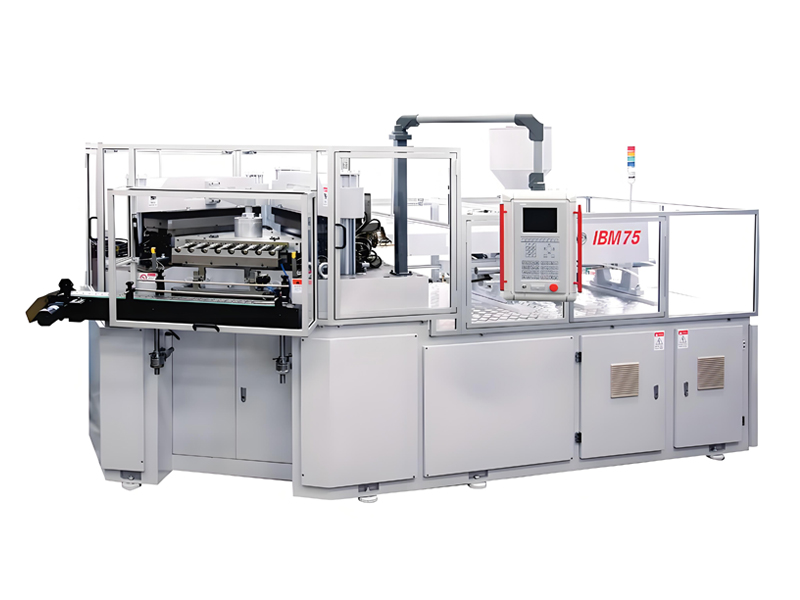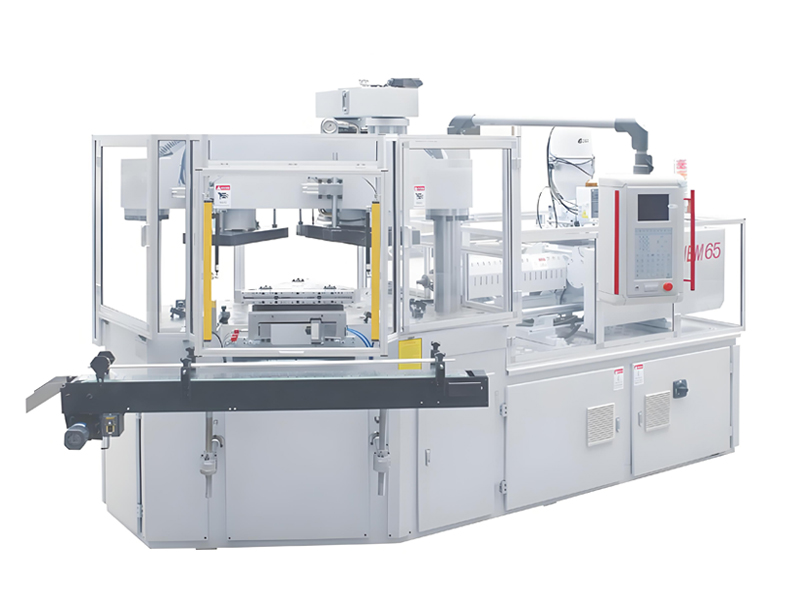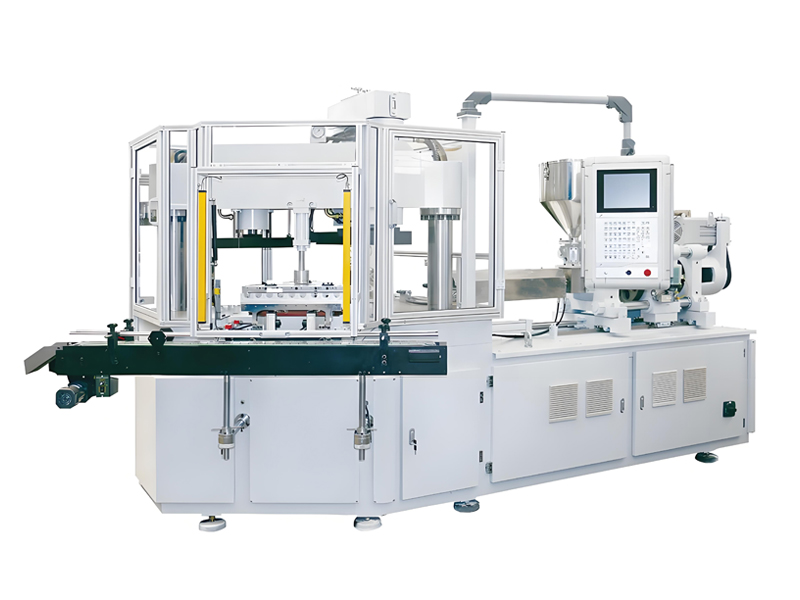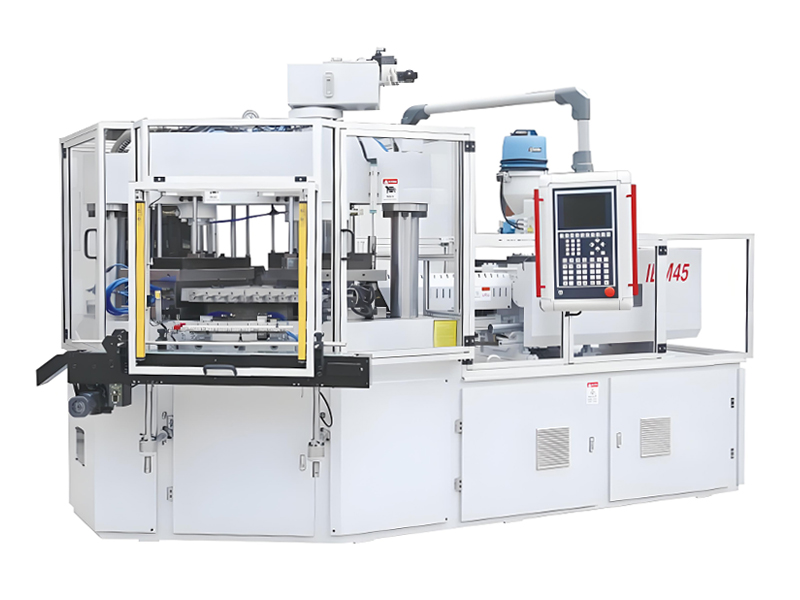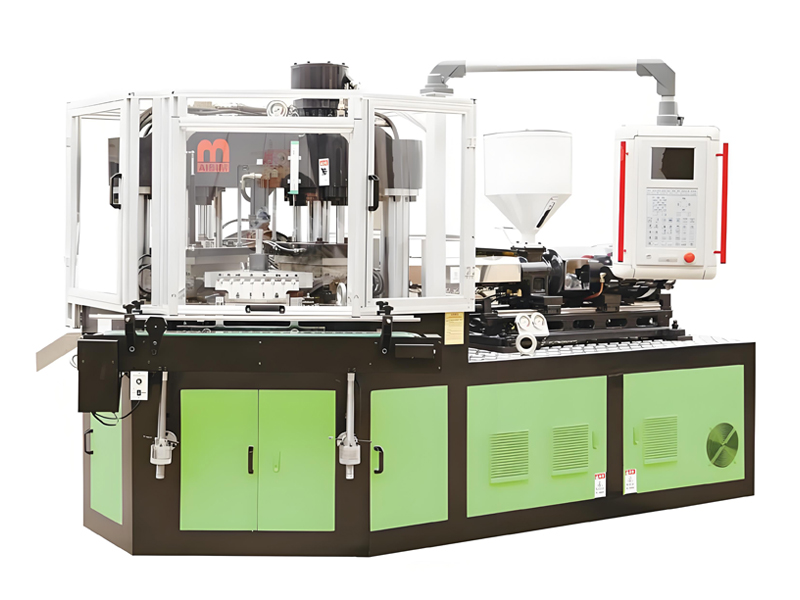
A second hand injection blow molding machine from China can be a pragmatic way to add small-bottle capacity at a Low or Medium acquisition cost tier, but the saving only holds if the machine is structurally sound, documented and supported. An injection blow molding machine (IBM) makes pharmaceutical, cosmetic and oral-liquid bottles in a three-station, one-step cycle, and its value depends heavily on the core rods, mold, clamp and injection unit being in good condition. This guide walks through the pros and cons, a practical inspection checklist, the hidden risks, refurbishment expectations and the spare-parts and after-sales questions that determine whether a used machine becomes an asset or a liability. As of 2026, the used-IBM market in China spans established specialists such as Aibim alongside legacy Western brands resold locally, so a disciplined buying process matters more than the headline acquisition tier.
لماذا تفكر في آلة IBM مستعملة من الصين
The main attraction of a used IBM is the acquisition cost tier. A pre-owned machine typically sits at a Low to Medium tier versus a new machine at a Premium tier, which can free capital for molds, cleanroom upgrades or working resin inventory. For a pilot line, a seasonal capacity spike or a secondary site, that lower tier is often the deciding factor.
The second attraction is lead time. A new multi-cavity IBM can carry a long build and commissioning window; a readily available used machine can be running within weeks if it passes inspection and the molds fit. For a buyer racing a product launch, time-to-first-bottle can outweigh a modest acquisition saving.
The case against is equally clear. A used machine carries unknown wear, possibly missing documentation, and a shorter remaining useful life. If it was run hard on abrasive filled resin or poorly maintained, the real cost of ownership can exceed a new machine. The rest of this guide is about telling those two outcomes apart before money changes hands.
For context, China’s IBM supply chain is mature: Aibim, a Wanplas factory with 12-plus years in injection blow molding and its own CNC center, builds the IBM75, IBM65 and IBM55 Hybrid, and the same ecosystem supplies refurbishers and resellers. That maturity is a plus for spare-parts access but also means the used market is crowded with mixed-quality offerings, raising the need for the checklist below.
Before committing to a used machine, quantify the capacity gap it must fill. Estimate your annual bottle demand, divide by available operating days and shifts, and compare the resulting bottles per hour against the machine’s realistic output at your cavity count and expected OEE. A used 4-cavity unit that closes a shortfall of a few million bottles per year is a rational Low-tier buy; the same machine cannot justify itself if the gap requires 12 cavities and the frame will not reach them. Sizing the need first prevents buying either too little machine or an oversized risk.
فهم بنية IBM قبل الفحص
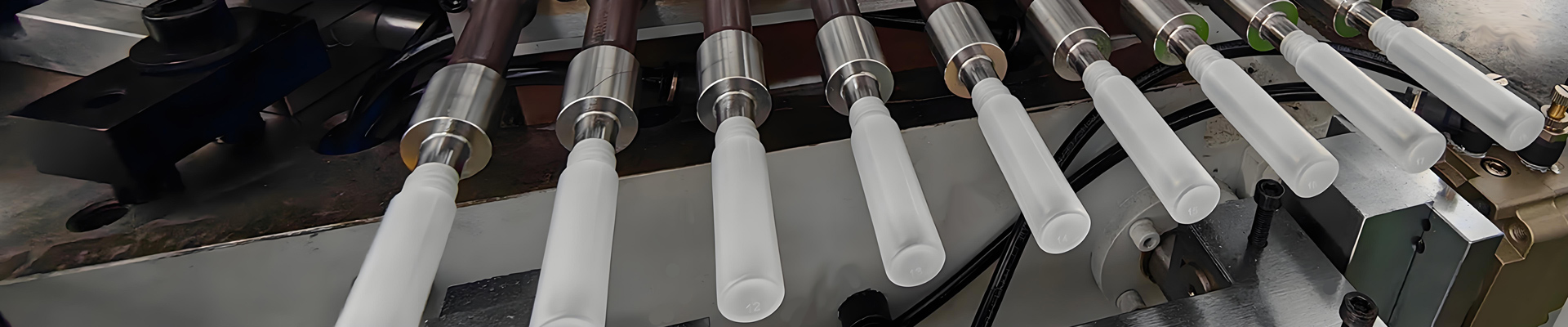
You cannot inspect what you do not understand, so a short anatomy of the three-station IBM is the right starting point. Station one injects a parison onto a heated core rod; station two blows the parison into the bottle cavity; station three strips and ejects the finished bottle. A core-rod turret indexes the rods between stations, and a clamp unit holds the injection and blow tooling.
Key subsystems to evaluate are the injection unit (screw, barrel, non-return valve, nozzle), the clamp (tie bars, platen, toggle or hydraulic lock), the core-rod turret and its cooling circuits, the blow station (needle, air valve, blow pressure), the mold and core rods themselves, the hydraulic power unit, the electrical cabinet and the PLC with its safety circuits. Each has a different failure mode and a different cost to repair.
The defining element is the core rod. Unlike extrusion blow molding, IBM defines the bottle interior, neck and thread on the rod, so rod condition dictates finish quality. A bent, scored or worn core rod cannot be compensated for by process tweaks; it must be re-machined or replaced. Any inspection that skips the rods is incomplete.
Knowing this anatomy also helps you read a seller’s claim. If a listing emphasizes clamp tonnage but is silent on core rods, screw hours and controller type, treat that silence as a gap to close before negotiating. Aibim’s own machines use a single-crossbeam, double-pole clamping framework and an enlarged mold-setting space, features that, when present and undamaged, make a used unit far easier to re-qualify.
قائمة مراجعة الفحص قبل الشراء
A structured inspection converts guesswork into a pass or fail. The table below covers the systems that most affect safety, output and bottle quality, with a practical acceptance criterion and the consequence of a failure. Run it with the machine running, not just idle, because many faults only appear under cycle.
قائمة فحص ما قبل الشراء
| System | What to check | Pass criterion | Risk if it fails |
|---|---|---|---|
| الحقن unit | Screw/barrel wear, non-return valve, melt homogeneity | Even shot, no black specks, <0.3 mm wear band | Poor parison, scrap, rebuild cost |
| Clamp | Tie-bar straightness, platen平行, lock force | Even gap, no drift, rated tonnage held | Flash risk, misalignment, safety |
| Core rods | Straightness, surface, cooling channel | No scoring, no bend, flow balanced | Bad neck/thread, rejects |
| Blow station | Needle, valve, pressure, recovery | Stable pressure, clean bottles | Thin walls, defects |
| Hydraulics | Pump noise, leaks, tank, cooler | No leaks, temp in band | Downtime, energy waste |
| Electrical / PLC | Controller type, I/O, backups | Readable, backed up, documented | Hard to support, obsolete |
| Safety | Light curtain, interlock, E-stop | All functional, CE-marked | Non-compliant, unsafe |
| Mold & records | Cavity count, fit, manuals, history | Matches bottle, docs present | Re-tool cost, no validation |
The single most valuable line on this checklist is the last one: documents. A used IBM without manuals, electrical drawings, mold drawings and a maintenance log forces you to reverse-engineer the machine, which inflates commissioning time and risk. Insist on the SD-card or PLC backup if the control supports parameter storage, because that single file can rebuild the process recipe on a replacement controller.
شغّل الآلة على زجاجتك ومادتك الخاصة إن أمكن ذلك على الإطلاق. يمكن لعرض البائع على قطعة سهلة مألوفة إخفاء نقطة ضعف تظهر فقط على تشطيب عنقك أو مواصفة جدارك. خصص ميزانية لتشغيل تجريبي مدفوع في عملية الشراء بدلاً من قبول فيديو خامل على الطاولة كدليل.
نقاط التآكل الحرجة وكيفية تقييمها
Wear concentrates in a few places, and learning to read them separates a bargain from a trap. The screw and barrel wear together; measure by withdrawing the screw and checking the flight land clearance, or by a recovery-volume test at fixed backpressure. A worn screw recycles melt poorly, raises scrap and limits shot weight, which caps cavity count.
Tie bars must be straight and evenly loaded. Measure the daylight gap at four corners of the platen; a difference beyond a few tenths of a millimeter signals bent bars or a twisted platen, which will never hold a clean part and can be unsafe under clamp force. On Aibim’s double-pole framework this is easier to verify because the structure is exposed and accessible.
Core rods are assessed by roll and surface check: a rod that does not roll true on a granite or V-block is bent; a rod with longitudinal scoring will mark every neck. Cooling-channel flow should be balanced across rods; a blocked channel causes one cavity to run hot and produce short or stuck bottles that inflate scrap rate.
Hydraulic valves and seals leak gradually; check the tank level history, the cooler performance and the pump sound. A whining pump or a milky oil sample points to aeration or water ingress, both of which shorten component life. None of these are visible in a photograph, which is why an on-site inspection beats any remote listing.
المخاطر الخفية لمعدات IBM المستعملة
Beyond visible wear, used IBMs carry risks that surface only after commissioning. The first is undocumented controller obsolescence: a proprietary or discontinued PLC with no spare modules and no backup means a single I/O failure can halt the line with no fix available. Always confirm the controller is still supported or uses standard components.
The second is mold and core-rod mismatch. A machine may be cheap because the molds were lost or were for a different bottle; re-cutting core rods and cavities is a Medium to High cost that can erase the acquisition saving. Verify the tooling matches your bottle before you treat the machine as usable.
The third is compliance debt. For pharma and cosmetic buyers, a machine without material certification, cleaning records and process validation cannot simply be “turned compliant”; it needs re-validation, which is a project, not a setting. A used machine that previously ran industrial resin may also need deep decontamination before food- or skin-contact grade production.
The fourth is hidden structural fatigue. A machine run for years on maximum clamp with poor maintenance can have cracked welds or a fatigued turret index mechanism that passes a short demo but fails within months. A borescope and dye-penetrant check of welded frames is cheap insurance against a costly surprise.
معايير التجديد وإعادة التأهيل
A credible refurbishment is what turns a used machine into a reliable one, and the depth of that work should be written into the purchase agreement, not assumed. At minimum, a proper reconditioning rebuilds the screw and barrel or replaces them, re-grinds or replaces core rods, replaces all seals and wear items, and validates the hydraulic and electrical systems under load.
Good refurbishers also upgrade the control to a currently supported PLC, document the new parameters, and re-lap the clamp platens. They replace heaters and thermocouples so the thermal loop is trustworthy, because a drifting mold-temperature band is a silent scrap-rate killer on IBM. Aibim’s SD-card parameter storage makes the software side of this straightforward: a validated recipe travels with the machine.
Paint and cosmetics are not refurbishment. Judge the seller by what they replaced and measured, not by how the frame looks. Ask for the pre- and post-rebuild numbers: screw clearance, tie-bar parallelism, core-rod runout, clamp tonnage verification and a trial-run scrap rate. A refurbisher who cannot show those numbers has not really reconditioned the machine.
An often-overlooked refurbishment step is re-lapping the clamp platens and re-verifying rated clamp tonnage on a load cell. A platen that has drifted out of square transfers the misalignment to every core rod and mold, producing thin walls on one side and flash on the other; this fault survives a cosmetic respray and only appears once production starts. Insist that the refurbisher documents platen parallelism to within a few tenths of a millimeter and confirms the lock force at all four tie bars, because those numbers predict bottle quality more reliably than paint shine.
For a hybrid-electric unit such as the IBM55 Hybrid, pay special attention to the servo drives and the accumulator; a tired servo can erase the energy advantage that made the hybrid attractive. Confirm the servo modules are available and that the regenerative braking and PREFILL hydraulics still deliver the rated energy saving of 35 percent or more versus a conventional fixed-pump unit.
قطع الغيار وتوافر ما بعد البيع
توفر قطع الغيار هو أقوى مؤشر لوقت التشغيل على IBM مستعملة، ويختلف بشكل كبير حسب العلامة التجارية. يربط الجدول أدناه المكونات الشائعة بالأسئلة التي يجب أن تجيب عنها قبل الشراء، لأن الختم المفقود يجب أن يكون توقفًا بسيطًا، وليس أزمة إيقاف خط.
مصفوفة توفر قطع الغيار
| Component | Wear frequency | Key question |
|---|---|---|
| Seals and O-rings | High | Are standard sizes stocked locally? |
| Core rods | Medium | Can the maker re-machine to spec? |
| Heaters and thermocouples | Medium | Standard or proprietary fit? |
| Hydraulic valves | Medium | Common brand or obsolete? |
| PLC modules | Low but critical | Still manufactured and stocked? |
| Clamp bushings | Medium | Spare set included? |
| Blow needles | High | Consumable stock on hand? |
Brand-backed support changes the equation sharply. Aibim, as a Wanplas factory, extends the group’s service policy that includes an annual complimentary spare-parts package and on-site commissioning, which de-risks a used or traded-in unit that originated from the same maker. For legacy Western brands resold in China, confirm whether a local agent still stocks modules or whether every part must be imported, because import lead time converts a minor fault into weeks of downtime.
الاختبار العملي بسيط: قبل التوقيع، اطلب من البائع تحديد المصدر والمهلة الزمنية للعناصر الثلاثة الأكثر عرضة للفشل في السنة الأولى (طقم أختام، إبرة نفخ، وحدة إدخال PLC). إذا لم يستطع، افترض الأسوأ وضمّن المخاطرة في تفاوضك.
تقييم الشركة المصنعة الأصلية وشبكة الدعم
Who built the machine matters as much as its condition. Established Chinese IBM specialists such as Aibim typically offer better local spare-parts access and lower acquisition tiers, plus continuity if you later add a new line from the same maker. Global IBM pioneers like جومار, Milacron Uniloy and Bekum bring strong documentation and proven process know-how, but their older models may now face scarcer parts and longer lead times, especially for proprietary modules.
When comparing, weigh three things: is the original maker still active and contactable, does the model still have supported spares, and is there a local agent who can commission and service it. A machine from a maker that has exited the IBM business may be cheap for a reason, and the Low acquisition tier can hide a High support cost.
For a buyer scaling a bottle program, choosing a maker with a living product line also protects future cavitation upgrades. Aibim’s IBM75, IBM65 and IBM55 Hybrid share design language and control philosophy, so a used IBM65 can later be complemented by a new IBM75 on the same floor with shared tooling logic and shared spares, lowering the total support burden across the plant.
قارن ادعاءات البائع بسجلات الشركة المصنعة حيثما أمكن. يمكن للمصنّع ذي السمعة الطيبة غالبًا تأكيد سنة البناء والمواصفات الأصلية وما إذا كان الرقم التسلسلي خاضعًا لأي حملة خدمة، وهو بالضبط أصل الملكية الذي يحتاجه مشتري الآلات المستعملة.
مطابقة عدد التجاويف وقوة الإغلاق مع برنامج زجاجاتك
Do not buy the cheapest machine; buy the one whose cavity count and clamp tonnage match your bottle. A 4-cavity program does not need a 200-tonne 12-cavity frame, and forcing a large bottle onto a small clamp will never hold tolerances. The mapping below is the same physics described for new machines, applied to the used market.
ملاءمة عدد التجاويف وقوة الإغلاق لاختيار IBM المستعملة
| Bottle program | Suitable cavity count | Clamp band (t) | Typical class |
|---|---|---|---|
| Pilot / low volume | 2 to 4 | 40 to 75 | IBM55 Hybrid |
| Mid volume | 4 to 8 | 75 to 130 | IBM65 |
| High volume | 8 to 12 | 130 to 200 | IBM75 |
Verify the actual shot weight the machine can deliver against your bottle times cavity count. A used machine that has lost screw efficiency may no longer reach the rated shot, which silently caps your real cavity count below the nameplate. Always test the shot at your material’s density and recovery time, not the seller’s nominal figure.
Also confirm the core-rod count matches the cavity count you need; a 6-cavity mold on an 8-rod turret is fine, but a 4-rod machine cannot run 8 cavities without new rods and a turret change, which is a Medium to High cost. Matching the program up front prevents an acquisition that cannot grow with demand.
الامتثال والتوثيق لمشتري الأدوية ومستحضرات التجميل
For pharmaceutical and cosmetic packaging, a used IBM is not compliant by virtue of being a blow molder; compliance is built from documentation and validated process control. Primary pharma packaging is governed by GMP and the ISO 15378 standard for primary packaging materials, with polymer contact assessed against USP Class VI, FDA 21 CFR and EU 10/2011 depending on the market. مستحضرات التجميل packs follow the relevant food- and skin-contact provisions of the same frameworks.
A used machine bound for these markets must come with, or be rebuildable to, a document set: material certificates for any product-contact parts, cleaning and decontamination records, electrical and hydraulic drawings, the PLC backup, and a validation protocol (IQ, OQ, PQ) that you can re-run. Without these, you inherit a compliance gap that a low acquisition tier will not offset.
In practice, the safest path for a regulated buyer is a refurbished unit from a maker that still supports the model and can supply the contact-surface certification, or a trade-in machine from a current Aibim line where the maker can attest to the build and revalidate it. Buying an undocumented legacy machine for pharma use shifts the burden of proof entirely onto you, and the validation project can rival the cost of a new unit.
حتى للاستخدام التجميلي، فإن تتبع البوليمر ومسار نظيف ومعقم لملامسة المنتج أمران مهمان لسلامة العلامة التجارية. تعامل مع حزمة التوثيق كبند في التفاوض وليس كهدية مجانية، لأن غيابها هو ما يحول الآلة المستعملة إلى التزام تنظيمي.
التكلفة الإجمالية للملكية بعد الاقتناء
The honest comparison is total cost of ownership, not acquisition tier. A used IBM’s ownership cost spans energy, labor, scrap, maintenance, spare parts and after-sales, and a Low purchase tier can become a High ownership cost if downtime and scrap accumulate. The table frames the dimensions to model.
أبعاد التكلفة الإجمالية للملكية
| Dimension | Used-machine watch-point | New-machine advantage |
|---|---|---|
| الطاقة (kWh / 1000 bottles) | Older hydraulics use more | Hybrid drive saves 35%+ |
| Scrap rate | Rises with worn rods/screw | Low from day one |
| Downtime | Higher if parts scarce | Spares readily available |
| Maintenance | Catch-up work likely | Long warranty period |
| Compliance | May need re-validation | Documented at delivery |
| Remaining life | Shorter | Full design life |
Model ownership over a five-year horizon using your own bottles-per-hour, energy tariff structure and labor hours per shift. A used machine that needs a screw rebuild, a rod set and a controller upgrade in year one may show a total cost close to a new unit, just with more risk. Conversely, a well-documented recent trade-in from a current maker can deliver most of the new-machine benefits at a Medium acquisition tier, which is the sweet spot to target.
الطاقة deserves special attention because it is recurrent and invisible at purchase. An older fixed-pump hydraulic used IBM may consume materially more kWh per 1000 bottles than a current hybrid-electric model, and over five years that gap can exceed the acquisition saving. Always request a measured energy figure, not a nameplate claim.
When measuring energy for the ownership model, request a logged run of at least one full shift rather than an idle draw, and express the result as kilowatt-hours per 1000 bottles at your cavity count; this normalizes the figure against output and makes a used 6-cavity unit comparable to a new 8-cavity hybrid. العمالة hours per shift should also be modeled honestly: a used machine with frequent faults quietly adds unattended downtime and rework that a single operator cannot absorb, so the labor share can rise even when headcount stays flat. A realistic ownership model counts those hidden minutes, not just the scheduled shift.
إشارات التحذير وقائمة مراجعة التفاوض
Several signals should slow or stop a purchase. A seller who refuses an on-site running trial, who cannot produce drawings or a PLC backup, who is vague about the build year or prior resin, or who has already stripped the molds is waving a red flag. So is a price that is dramatically below the market for the class without a clear reason such as known wear disclosed up front.
استخدم قائمة التحقق التفاوضية أدناه لتنظيم المحادثة والعقد. يجب الرد على كل بند كتابيًا قبل تحرير الأموال، لأن النزاع حول آلة مستعملة يصعب الفوز به كثيرًا بعد مغادرة الآلة أرضية البائع.
قائمة التحقق من التفاوض والعقد
| Checklist item | احصل على عرض أسعارable answer |
|---|---|
| On-site running trial on your bottle | Permitted and observed |
| Full documentation set supplied | Manuals, drawings, PLC backup |
| Core rods and mold included and matched | Yes, to your cavity count |
| Refurbishment scope in writing | Listed parts and measured results |
| Spare-parts lead time confirmed | Named source, short lead |
| Compliance documents for your market | Available or re-validatable |
| Warranty or rework period | Defined, even if short |
| Load and ship responsibility | Agreed and insured |
إذا استوفى البائع معظم عناصر قائمة التحقق هذه، فإن آلة IBM مستعملة في فئة اقتناء منخفضة إلى متوسطة تُعد شراءً عقلانيًا. إذا استوفى القليل منها، فابتعد؛ فالتوفير الظاهري هو مخاطرة ممتازة متنكرة. الانضباط هو المنتج، وليس الآلة.
Aibim, a Wanplas factory, supports both new and trade-in pathways with on-site commissioning, an annual complimentary spare-parts package and the group’s shared quality promises, which is why a refurbished or trade-in Aibim unit often clears this checklist more completely than an anonymous legacy machine. Within the Wanplas brand network, the consistency of support across the injection blow molding, extrusion blow molding and PET blow molding factories also means shared commissioning know-how if your bottle program later spans processes.
الأسئلة الشائعة
هل آلة قولبة النفخ بالحقن المستعملة من الصين فكرة جيدة؟
يمكن أن يكون استحواذًا سليمًا في فئة تكلفة منخفضة إلى متوسطة إذا كانت الآلة من صانع معروف وتأتي مع التوثيق والقوالب وتجتاز فحصًا منظمًا؛ المخاطر الرئيسية هي التآكل الخفي وعدم توفر قطع الغيار وفجوات الامتثال للاستخدام الصيدلاني أو التجميلي.
ما هو أهم بند يجب فحصه في IBM المستعملة؟
يتآكل اللولب والأسطوانة وقضبان القلب وقضبان ربط الإغلاق، لأنها تحدد جودة الباريسون وتشطيب الزجاجة والمحاذاة الهيكلية؛ يمكن للولب المتآكل أو قضيب الربط المنحني أن يجعل تشغيل الآلة غير آمن بغض النظر عن سعر الاقتناء المنخفض.
هل يمكن ترقية IBM مستعملة لتلبية GMP وISO 15378 لتغليف المستحضرات الصيدلانية؟
يمكن غالبًا تجديد أجهزة الآلة، لكن الامتثال يعتمد على توثيق العملية المُتحقق منه وشهادة المواد والتكامل مع الغرفة النظيفة؛ قد تحتاج الآلة المستعملة بدون سجلات إلى إعادة تحقق كاملة، مما يرفع التكلفة الحقيقية للملكية.
ما الماركات التي يجب مقارنتها عند شراء معدات IBM مستعملة من الصين؟
قارن المتخصصين الصينيين الراسخين مثل Aibim مع مصنعي IBM العالميين مثل جومار وMilacron Uniloy وBekum؛ يقدم المصنعون الصينيون عادةً وصولاً أفضل لقطع الغيار ومستويات شراء أقل، بينما قد تحمل العلامات التجارية الغربية القديمة توثيقًا أقوى لكن قطع غيار أندر.
كيف أحكم على توفر قطع الغيار قبل الشراء؟
تأكد مما إذا كانت الشركة المصنعة الأصلية لا تزال تورد الطراز، وما إذا كانت وحدة التحكم والأنظمة الهيدروليكية تستخدم مكونات قياسية جاهزة، وما إذا كان الوكيل المحلي يخزن قطع التآكل مثل الأختام وقضبان القلب والسخانات وبطانات التثبيت.
هل يقلل شراء المستعمل دائماً من التكلفة الإجمالية للملكية؟
ليس بالضرورة. يمكن أن تتحول فئة الاستحواذ المنخفضة إلى تكلفة إجمالية عالية إذا تراكم التوقف والخردة وقطع الغيار غير المتوفرة؛ المقارنة الصادقة هي التكلفة الإجمالية للملكية عبر الطاقة والعمالة والخردة والصيانة وما بعد البيع، وليس سعر الشراء وحده.
ما المستندات التي يجب أن تتضمنها IBM المستعملة لإنتاج مستحضرات التجميل؟
كحد أدنى، الرسومات الكهربائية والهيدروليكية، والنسخة الاحتياطية لـ PLC، ورسومات القالب وقضيب القلب، وشهادات المواد لأسطح التلامس وسجل التنظيف؛ تتيح لك هذه إعادة تأهيل الآلة وإثبات إمكانية تتبع البوليمر لعلامتك التجارية ومدققي الحسابات.
هل أفضل IBM مستعملة هجينة كهربائية؟
If the servo drives and accumulators are healthy, a hybrid-electric used IBM such as an IBM55 Hybrid can cut energy per 1000 bottles by 35 percent or more versus an older fixed-pump unit, but only after verifying the servo modules are available and the PREFILL hydraulics still deliver the rated saving.
الخلاصة
A second hand injection blow molding machine from China is a sensible way to add small-bottle capacity at a Low to Medium acquisition cost tier, provided the purchase is governed by a disciplined inspection, a complete documentation set and a confirmed spare-parts path. The real risks are hidden and structural: obsolete controllers, missing tooling, compliance debt and fatigue that a bench-idle demo will not reveal. Inspect the screw, core rods, tie bars and PLC; demand a running trial on your own bottle; and model total cost of ownership across energy, scrap, downtime and after-sales rather than fixating on the purchase tier. For regulated pharma and cosmetic buyers, favor a refurbished or trade-in unit from a maker that still supports the model, such as Aibim, a Wanplas factory, whose IBM75, IBM65 and IBM55 Hybrid lines, CE-certified safety and group service policy including an annual complimentary spare-parts package make the used-machine path both economical and defensible.