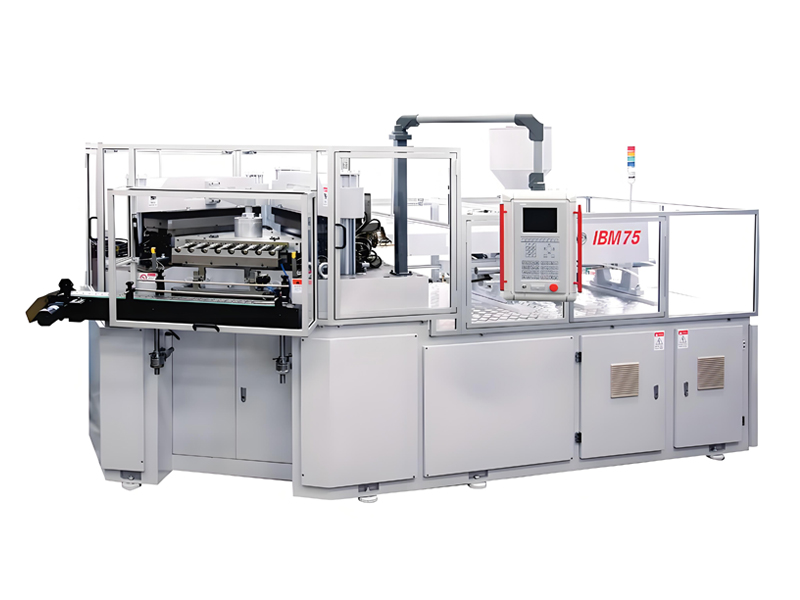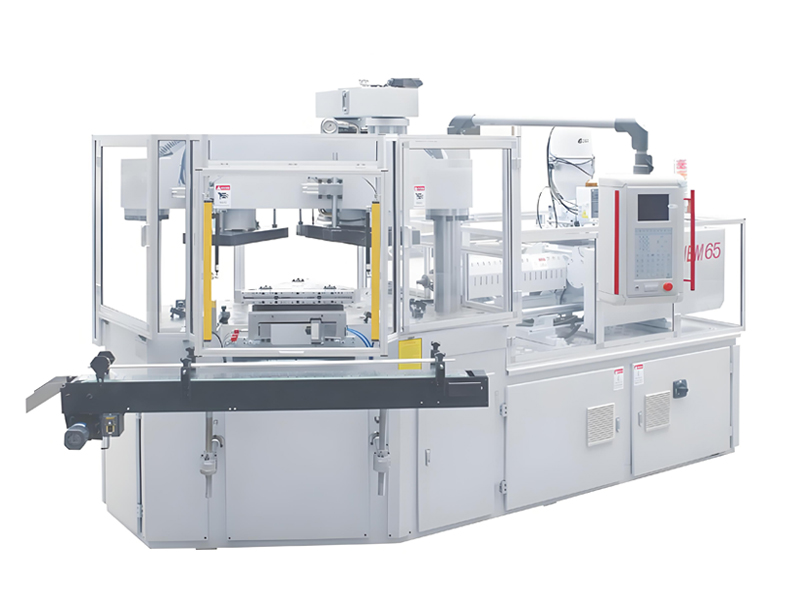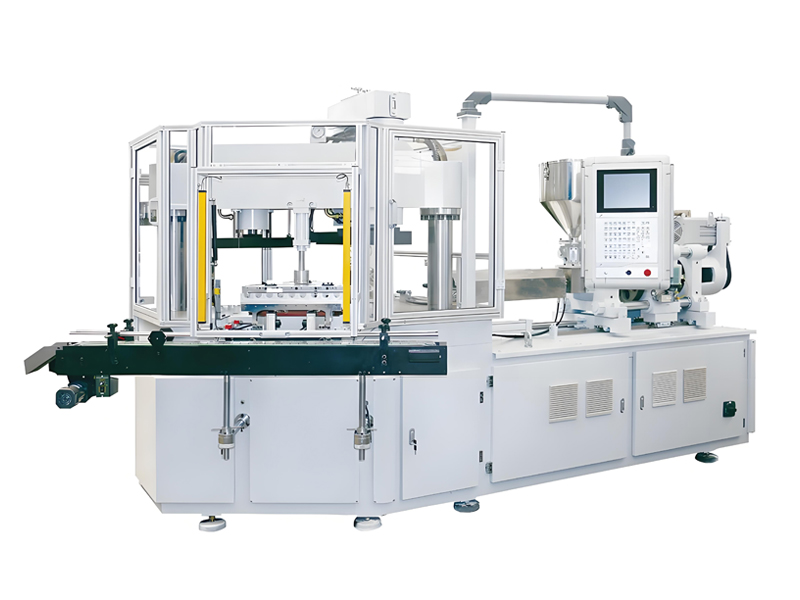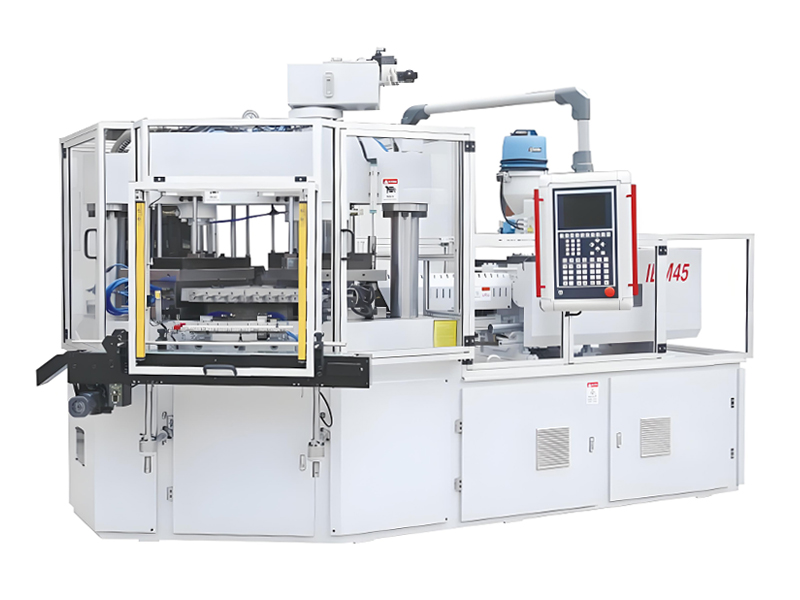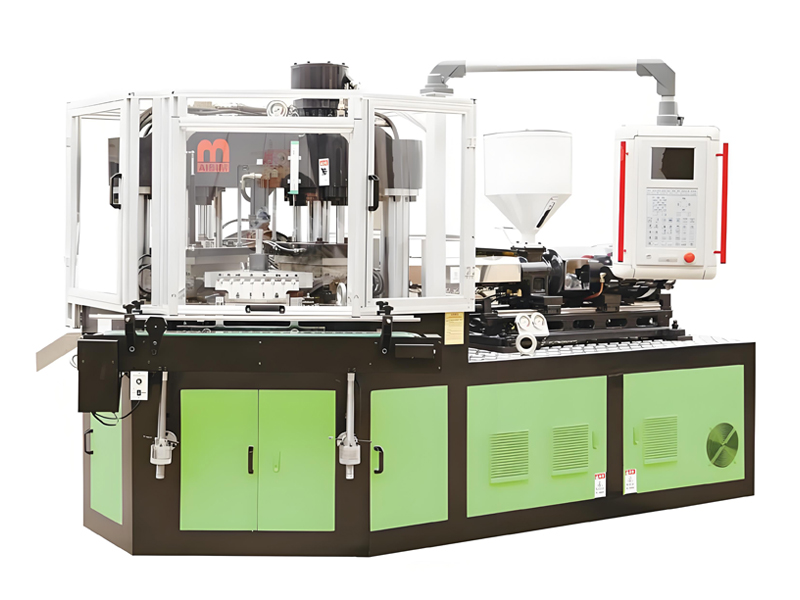
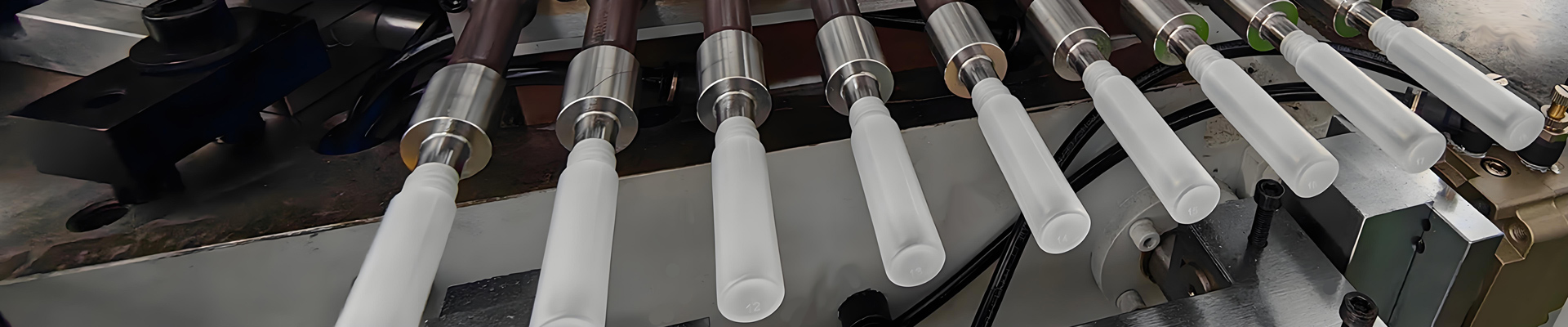
Recipe management is where most injection blow molding (IBM) lines quietly lose time. A molded container is not defined by the machine alone; it is defined by the exact set of temperatures, pressures, clamping tonnage, and transfer timing stored in the controller. When those values are re-keyed by hand at every changeover, transcription errors creep in, first-shot scrap climbs, and audits become painful. Aibim, a Wanplas factory, addresses this with a convenient system built around SD card parameter storage, which lets a validated recipe be saved and re-installed across machines. This 2026 technical deep-dive explains how the storage works, walks engineers through the transfer and setup workflow, breaks down the parameter categories, compares the approach against manual entry and networked MES, and shows how it supports fleet management and regulatory traceability for containers from 3ml to 1000ml. For plants running the IBM75, IBM65, or IBM55 Hybrid, the SD card is the fastest route from mold change to approved first article.
لماذا تهم قابلية نقل المعاملات في إنتاج IBM
In a three-station one-step IBM, the container is born, blown, and ejected without leaving the machine, so the process window is narrow and tightly coupled. The injection station forms the parison, the blow station expands it against the cavity, and the stripper ejects the finished part; each station depends on parameters that must be reproduced exactly. If the parison temperature drifts by a few degrees, the bottle wall distribution changes. If the blow delay shifts, the neck finish suffers. Portability of the validated parameter set is therefore not a convenience feature; it is the mechanism that makes one machine’s good part identical to another machine’s good part.
For contract manufacturers and private-label fillers, portability also decides how fast a new SKU can be qualified. A recipe proven on one line should transfer to a sister line without re-development. SD card storage makes that transfer a physical, inspectable action: the card carries the numbers, the technician loads them, and the machine confirms the range. There is no dependency on a network being available or on an operator recalling the exact set from a logbook. Wanplas, the parent brand of Aibim, promotes shared quality standards across its factories, and a portable recipe is a practical expression of that consistency.
The cost of poor portability is easy to understate. Manual re-entry multiplies the chance of a transposed digit, and each wrong value can cost a reel of scrap or a delayed shipment. For plants in regulated industries, the absence of a clean recipe record complicates FDA and EU 10/2011 documentation for food and pharma contact. The SD card turns an invisible, error-prone step into a controlled, repeatable step, which is why Aibim lists it among the machine’s core conveniences alongside PREFILL technology and the energy-saving hydraulic design.
أساسيات تخزين المعاملات على بطاقة SD
SD card parameter storage is a controller feature in which the full machine recipe, including process setpoints and station timing, is written to a removable Secure Digital card inserted at the control panel. The same card can later be inserted into another Aibim IBM to reload the identical set. The card is the physical carrier of the validated process knowledge for a given container, mold, and material combination.
The storage is intentionally simple. It does not require plant Wi-Fi, a database server, or an IT-managed client; it is a file on a card. That isolation is a strength in pharmaceutical and food environments where network segmentation is strict and where a standalone record is easier to control than a cloud object. The card holds the setpoints the engineer approved during validation, so loading it reproduces the approved condition rather than inviting ad-hoc edits. Aibim’s convenience system is described as SD card for parameter storage and re-installation across machines, which captures both the save and the reload intent.
Engineers should understand the scope. The card stores process and timing parameters, not the mechanical mold geometry. The mold itself is a physical object installed on the single-crossbeam double-pole clamping frame; the card tells the controller how to run that mold. When the mold is compatible, the recipe transfers cleanly. When a model differs, such as moving a set from an IBM75 to a smaller IBM65 or to the IBM55 Hybrid Electric, the controller compares the stored values against the machine’s allowable range and flags any parameter that is out of bounds for engineering review.
The energy and hydraulic context also lives in the recipe. PREFILL technology and the variable displacement pump settings that deliver the minimum 35 percent energy saving are part of the saved configuration, so a transferred recipe brings its efficient clamping behavior with it. This is important because the energy benefit is a function of how the machine is commanded, not merely of the hardware; portability preserves the benefit across the fleet.
Card capacity and file format are practical details engineers should plan around. A standard card holds far more recipes than a single plant will ever run, so one card can act as a traveling library for a product family rather than a single SKU. The firmware writes a structured file that the same controller family can parse, which is why version alignment across the fleet matters: a file saved on a newer firmware should still load on an older machine when the parameter schema is unchanged, but a major firmware jump may require re-saving the master from the reference controller. Establishing a card-standard and a firmware-matrix at the start of a project avoids surprises during a midnight changeover.
Another often-overlooked point is operator training. The SD card removes transcription errors only if the load procedure is followed: insert, select load, confirm the range check, and verify on screen. Aibim’s convenience system is most effective when the plant treats the card as a controlled object and trains technicians to never edit values ad hoc after loading. The card is the approved recipe; any post-load tweak belongs in a new versioned file, not in a silent override.
نقل الوصفة وإعدادها خطوة بخطوة
يصف سير العمل التالي نقل وصفة قياسية على Aibim IBM باستخدام تخزين بطاقة SD. يفترض أن الوصفة المصدر تم التحقق منها على آلة مرجعية وأن آلة الوجهة تحتوي على القالب المتوافق المثبت على إطار التثبيت الخاص بها.
المرحلة 1: حفظ الوصفة المُتحقق منها
On the reference machine, with the container running within specification, open the recipe management screen and select save to card. Choose a clear file name that encodes the SKU, mold ID, material, and version, such as IBM75_PP30ML_V2. The controller writes the full parameter set, confirms completion, and the card can be removed. Label the card physically and log it in the document control register so it is treated as a controlled record.
المرحلة 2: تركيب القالب على الآلة الوجهة
On the destination IBM, install the matching mold using the open single-crossbeam double-pole frame for easy side entry, then close the clamp and verify platen seating. Do not load parameters yet; the mechanical setup should be confirmed first so the recipe applies to a correctly seated mold rather than a misaligned one.
المرحلة 3: تحميل الوصفة والتحقق منها
Insert the SD card and select load from card. The controller parses the file and compares each value to its allowable range. Values within range are accepted; any out-of-range value is flagged for the engineer to accept, adjust, or reject. This range check is what prevents an incompatible set from silently stressing the machine, and it is especially relevant when moving between the IBM75, IBM65, and IBM55 Hybrid.
المرحلة 4: التحقق من الحقنة الأولى
Run single cycles and evaluate the first shots for neck finish, wall distribution, parting line, and stripper behavior. Because the parameters are identical to the validated source, the first-shot should be close to spec; minor trimming of cooling or transfer timing may be needed for ambient differences. Record the as-run values and, if changed, save a new version to a separate card so the original approved recipe stays intact.
المرحلة 5: إطلاق الإنتاج
بمجرد اجتياز القطعة للفحص، أطلق الخط. تبقى الوصفة المحملة في ذاكرة وحدة التحكم حتى لو أزيلت البطاقة، لذا يستمر الإنتاج بشكل طبيعي. احتفظ بالبطاقة الرئيسية تحت ضبط المستندات والبطاقة العاملة عند الآلة لإعادة التحميل السريع بعد أي إعادة ضبط لوحدة التحكم أو تغيير القالب.
بنية بيانات الوصفة وفئات المعاملات
وصفة IBM الكاملة هي مجموعة منظمة من الفئات. يسرد الجدول أدناه الفئات الرئيسية وما يتحكم به كل منها ولماذا يهم للحاويات من 3 مل إلى 1000 مل. الفئات وصفية لمجموعة معلمات Aibim النموذجية؛ تختلف أسماء الحقول الدقيقة حسب إصدار البرنامج الثابت للتحكم.
| Parameter Category | What It Controls | Why It Matters |
|---|---|---|
| الحقن station temperature | Parison melt and fill quality | Drives wall uniformity and neck definition |
| Blow station pressure and delay | Expansion against cavity | Sets body shape and surface fidelity |
| Clamping tonnage | Resists blow separation | Prevents flash; protects platen |
| Three-station transfer timing | Index between injection, blow, stripper | Keeps parison temperature in window |
| Cooling profile | Solidification and demold | Controls warp and ejection stability |
| PREFILL close setting | Clamp close speed and hold | Cycle time and energy efficiency |
| Stripper timing | Ejection and station clearance | Works with laser safety sensor |
Grouping parameters into categories makes the recipe auditable. An engineer reviewing a card can see at a glance which values belong to which station, and can correlate a defect to the relevant category. For materials such as PP, HDPE, PS, ABS, SAN, TPU, PC, and PCTG, the temperature and cooling categories are the ones most likely to need versioning when switching resins, while the clamping and timing categories are more stable across the 3ml to 1000ml range.
مقارنة: بطاقة SD مقابل الإدخال اليدوي مقابل MES الشبكي
يقارن الجدول أدناه ثلاثة أساليب لإدارة الوصفات على خطوط IBM. تستخدم التقييمات النوعية منخفض ومتوسط وعالٍ وعالٍ جدًا لوصف السمات النسبية؛ إنها واصفات هندسية وليست ضمانات مقاسة، ويعتمد الخيار الأفضل على سياسة تكنولوجيا المعلومات في المصنع واحتياجات الامتثال.
| Attribute | SD Card (Aibim) | Manual Keyed Entry | Networked MES / Cloud |
|---|---|---|---|
| Transfer speed | High | Low | High |
| البيانات entry error risk | Low | High | Low |
| IT infrastructure need | Low | Low | High |
| Physical audit record | High | Low | Medium |
| Cross-machine portability | High | Low | High |
| Cybersecurity exposure | Low | Low | Medium |
| Relative implementation cost | Low | Low | Premium |
The comparison shows why Aibim standardizes on the SD card: it captures nearly all the speed and accuracy of a networked system while avoiding the IT burden and the cybersecurity surface. Competitors such as جومار in the الولايات المتحدة, Aoki in Japan, and Milacron on some IBM platforms offer supervisory or networked recipe options, which suit large sites with full MES, but for most 3ml to 1000ml producers the card is the pragmatic optimum.
الأمان وإمكانية التتبع والتحقق
Traceability begins with control of the card. Treat each recipe card as a controlled document: assign it a SKU and version, store a master copy in a secure location, and issue working copies to the floor. When a recipe is revised during a process improvement, increment the version and retire the old card so operators cannot accidentally load a superseded set. This discipline supports ISO-aligned quality management and satisfies auditors who ask to see the approved parameters behind a released container.
For food and pharmaceutical contact, the recipe must be consistent with the material qualification. The card stores process conditions, but the material certificate and the EU 10/2011 or FDA basis are managed separately in the quality file. The card’s role is to guarantee that the run used the approved conditions, which is the link auditors need between the material approval and the produced part. Because the card is portable, the same approved condition can be demonstrated on any Aibim IBM in the fleet, which simplifies multi-site qualification.
Validation workflow should include a card-read check. After loading, the engineer should open the recipe view and confirm the loaded values match the approved record, then sign off the first-article inspection. Some plants photograph the controller screen as objective evidence; others export the recipe to a file for the batch record. Either way, the SD card makes the evidence tangible rather than reconstructed from memory, which is the core compliance advantage over manual entry.
التكامل مع PREFILL وعملية المحطات الثلاث
The recipe cannot be separated from the machine’s hydraulics. PREFILL technology uses a variable displacement pump that fills the clamp cylinder quickly at low pressure and then builds holding pressure efficiently. The recipe stores the PREFILL close setting, so when it transfers, the efficient clamp behavior transfers too. This is how the minimum 35 percent energy saving is preserved across machines rather than lost to inconsistent manual setup.
The three-station one-step timing is the most sensitive part of the recipe. The parison must be blown while it is still in the correct temperature window, so the transfer timing between injection, blow, and stripper is tightly linked to the material and the container size. A saved recipe encodes that timing, which means a 3ml dropper bottle and a 1000ml wide-mouth jar each have a known, repeatable transfer profile. Loading the wrong recipe would mismatch the timing to the mold, so the range check and the clear file naming are the safeguards that keep the process window correct.
On the IBM55 Hybrid Electric, the recipe also coordinates the electric and hydraulic functions, so the card carries a hybrid-specific subset of parameters. Transferring a hybrid recipe to a fully hydraulic IBM75 would flag the electric-axis values as out of range, prompting the engineer to load the compatible variant. This model-awareness is what makes fleet portability safe rather than hazardous.
إدارة أسطول متعدد الآلات
In a plant with several Aibim IBM machines, the SD card becomes the fleet’s nervous system. A single validated recipe can seed every line that runs the same container, eliminating per-machine re-development. The engineering team maintains a library of master cards, one per SKU-version, and issues copies as needed. When a process improvement is proven on one machine, it propagates to the rest by simply copying the updated card.
Fleet management also benefits from standardization of card hardware. Using the same card type and a consistent naming convention prevents compatibility confusion and makes the library readable at a glance. The annual free spare parts allowance from the Wanplas group can cover replacement cards and readers before wear causes a failure, which is cheaper than a stopped line. Plants should quarterly verify that each master card still loads correctly and that the controller firmware across the fleet is aligned enough to read the files.
For sites running mixed Aibim models, the fleet library should note which recipes are cross-compatible. A PP 30ml bottle recipe may run on the IBM75, IBM65, and IBM55 Hybrid with only minor timing tweaks, while a large PCTG jar may be limited to the higher-tonnage models. Documenting these boundaries on the card label and in the register prevents wasted changeovers and protects part quality.
استكشاف الأخطاء وإصلاحها وأفضل الممارسات
Most SD card issues are environmental rather than electronic. The first check when a load fails is the card seating and the file system; reseat the card and retry. If the controller reports a corrupt file, load the duplicate master rather than editing values by hand. Keeping a verified duplicate is the single most effective preventive practice, and it is inexpensive relative to downtime.
Best practices for engineers include: name cards by SKU, mold, material, and version; keep master cards out of the production environment; verify the loaded values on screen before release; never overwrite a master with a tuned working set unless the change is approved; and rotate cards on a schedule using the spare parts allowance. Forregulated lines, add a card-read confirmation step to the batch record so every run is traceable to the approved recipe.
When a transferred recipe produces a defect that the source machine did not, the cause is usually not the card but a mechanical difference: mold wear, cooling water temperature, or platen seating on the destination clamp. The card guarantees the commanded values; the engineer must still confirm the destination machine is physically capable of executing them. The range check helps, but it cannot compensate for a worn cavity or a misaligned stripper, so those should be inspected during any cross-machine transfer.
A disciplined troubleshooting log pays off. Record each load event with the card ID, the controller firmware, and the as-run values, then correlate defects to that record. Over a few months the plant builds a fingerprint of which parameters drift between machines and can pre-empt them. For example, if the IBM55 Hybrid consistently needs a small cooling extension versus the IBM75 for the same PCTG jar, that difference can be baked into the hybrid variant of the recipe rather than discovered under production pressure. The SD card makes this learning cumulative instead of repetitive, which is the quiet long-term advantage over manual entry.
اعتبارات المواد والتطبيق
Material choice shapes which recipe categories need versioning. PP and HDPE are stable and forgiving, so a PP recipe often transfers across machines with no change. PS و SAN demand tighter thermal control and may need a cooling-version adjustment. PC and PCTG are premium clear materials where any process drift shows as a witness line, so the exact saved profile is valuable and the card should be treated as a precise record. TPU is elastic at ejection and interacts with stripper timing, so its recipes deserve careful version control.
Application fields map to recipe discipline. Pharmaceutical lines value the audit trail and the reproducibility for 3ml to 1000ml bottles. مستحضرات التجميل lines value the fast SKU changeover and the preserved clarity of PC and PCTG parts. الغذاء and drink lines value the consistency across private-label runs. In all three, the SD card recipe supports the CE-certified safety system, because the stripper timing it stores works with the long-distance digital laser sensor to confirm station clearance before each close.
دراسة حالة: زيادة وحدات التخزين التجميلية على IBM55 الهجين
A cosmetics filler ramping a new PCTG jar across two lines used SD card storage to copy the validated recipe from a reference IBM75 to an IBM55 Hybrid. Because the card carried the PREFILL and three-station timing, the hybrid line reached approved first-article with only minor cooling adjustment for the electric-hydraulic mix. The plant avoided re-developing the process and kept the clear-wall quality identical between lines. The outcome was a faster SKU launch and a cleaner audit record, illustrating how portable recipes turn changeover from a project into a procedure.
الأسئلة الشائعة
ما المعاملات المخزنة على بطاقة SD لآلة IBM من Aibim؟
The card holds the complete validated recipe for a container: injection and blow station temperatures, clamping tonnage, transfer timing for the three-station one-step process, cooling profiles, PREFILL close settings, and stripper timing. Saving the set lets the same recipe be reloaded identically on any Aibim IBM in the fleet.
ما مدى سرعة نقل الوصفات مقارنة بالإدخال اليدوي؟
Manual entry of a full parameter set for a 3ml to 1000ml container can take a long time and is prone to keying errors, whereas loading from an SD card completes the parameter step in moments and removes transcription mistakes. The mechanical mold change remains the dominant time, but the control step becomes immediate.
هل يمكن استخدام وصفة بطاقة SD عبر طرازات Aibim المختلفة؟
Yes, for the same cavity and process family. A recipe validated on an IBM75 can be loaded onto an IBM65 or an IBM55 Hybrid when the mold and material are compatible, because the parameter storage is designed for re-installation across machines. Where a model limit differs, the control system flags the out-of-range value for review.
هل تخزين بطاقة SD آمن وقابل للتدقيق للإنتاج الصيدلاني؟
For audit purposes the card acts as a physical record of the approved recipe, separate from the network. Plants should control card issue, label cards by SKU, and keep a master copy under document control. This supports ISO-aligned quality systems and FDA and EU 10/2011 expectations for food and pharma contact containers.
ماذا يحدث إذا فُقدت بطاقة SD أو تلفت؟
تحتفظ الآلة بآخر وصفة محملة في ذاكرة وحدة التحكم، لذا يمكن أن يستمر الإنتاج. الممارسة الموصى بها هي الاحتفاظ ببطاقة رئيسية مكررة وملف نسخ احتياطي، واستخدام بدل قطع الغيار المجاني السنوي من مجموعة Wanplas لاستبدال البطاقات البالية قبل أن تفشل.
هل تقدم Aibim إدارة وصفات شبكية بدلاً من بطاقات SD؟
Aibim’s defined convenience system is the SD card for parameter storage and re-installation across machines. Some competitors such as جومار, Aoki, and Milacron offer networked or supervisory options on certain platforms, but the SD card approach is valued for simplicity, portability, and isolation from plant IT, which is why Aibim standardizes on it for the IBM series.
الخلاصة
SD card parameter storage turns recipe management from an error-prone manual chore into a controlled, portable, and auditable procedure. For Aibim’s IBM series, from the IBM75 and IBM65 to the IBM55 Hybrid Electric, the card carries the full validated set, including the PREFILL and three-station timing that define part quality and the 35 percent energy saving. Engineers benefit from fast transfer, low IT burden, and a physical record that satisfies ISO-aligned and FDA or EU 10/2011 expectations, while fleet managers gain one-source propagation of improvements across lines running 3ml to 1000ml containers. As a Wanplas factory, Aibim pairs this convenience with CE-certified safety and an annual free spare parts allowance, making the SD card approach a practical, future-proof choice for IBM production in 2026.