Introduction to the IBM Working Principle
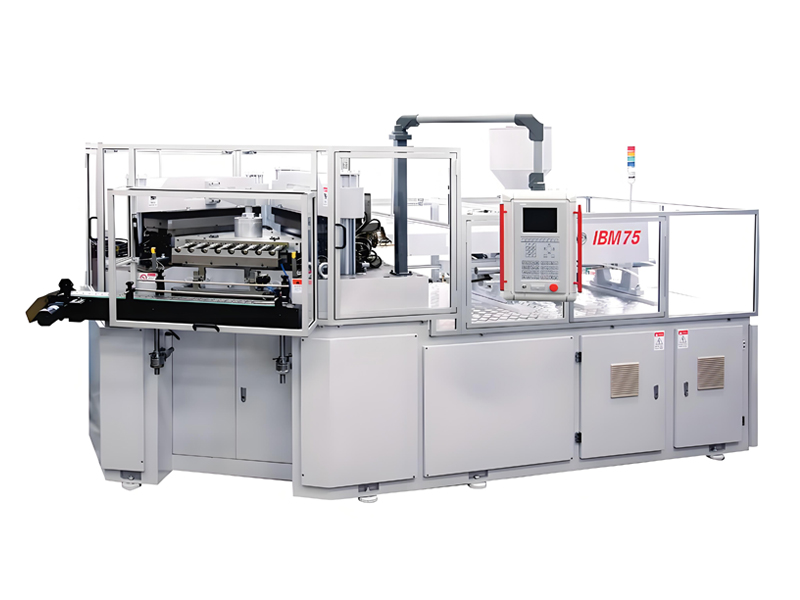
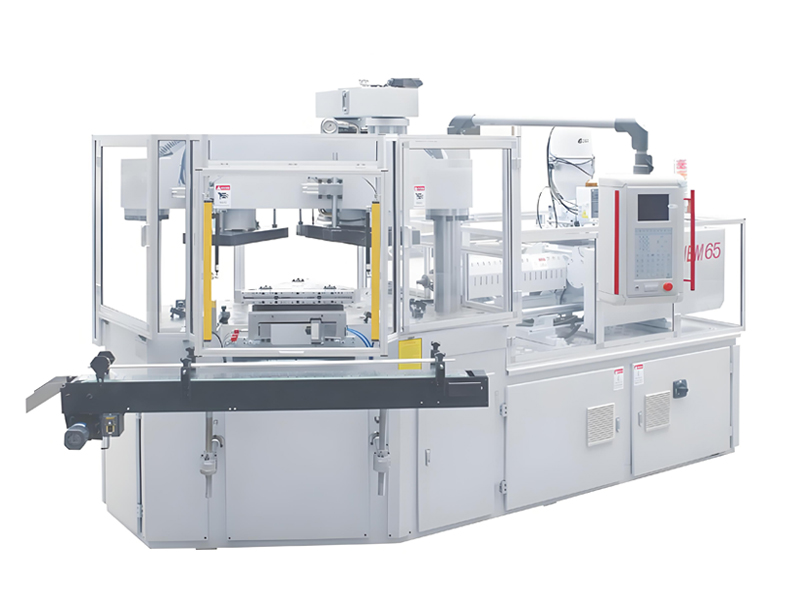
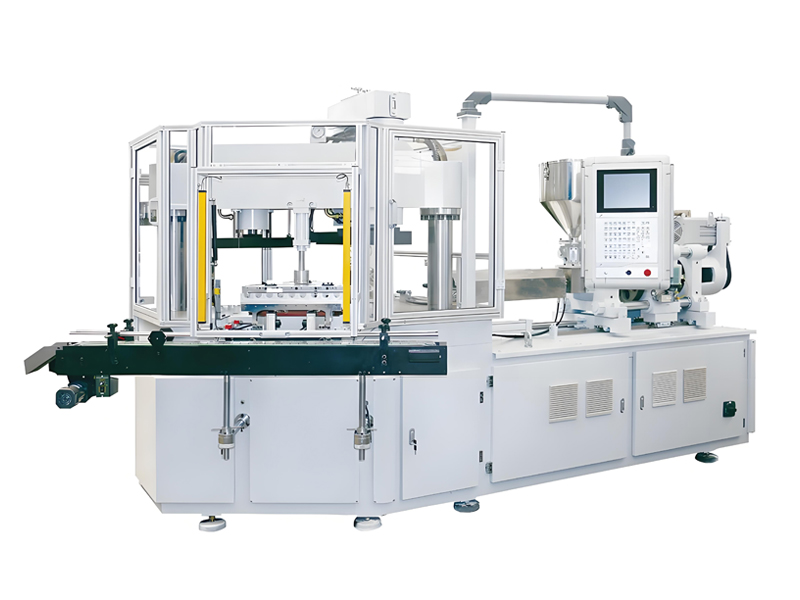
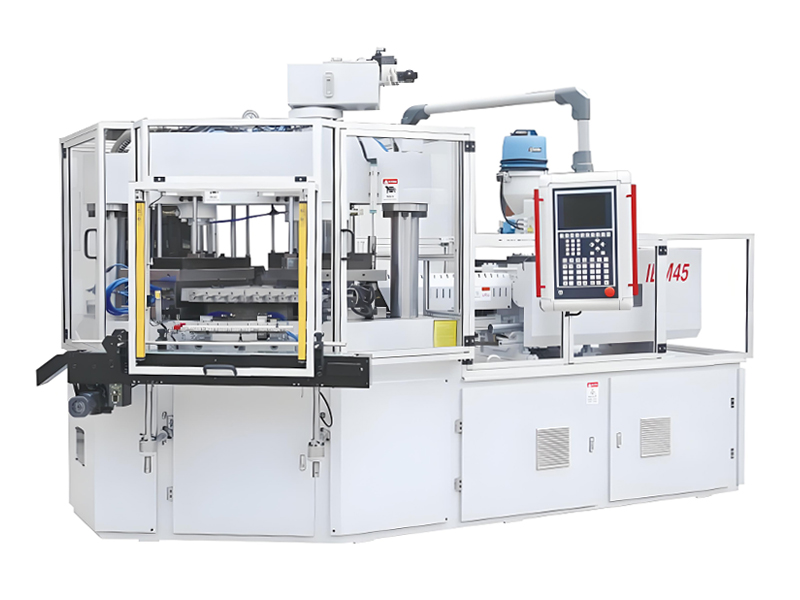
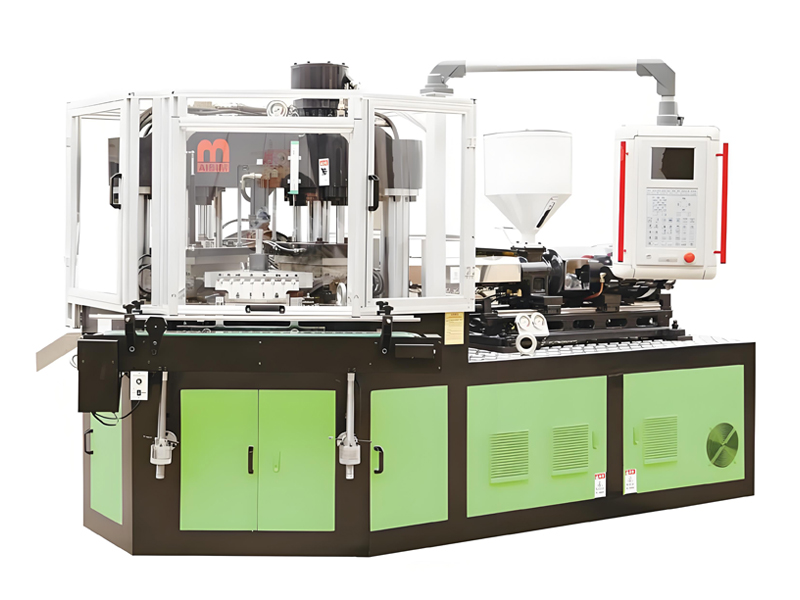
The Injection Blow Molding (IBM) process is a sophisticated manufacturing technique used to create high-quality plastic containers, particularly for the pharmaceutical, cosmetic, and food industries. Unlike extrusion blow molding, where the parison is a continuous tube, IBM creates a precise preform (parison) via injection molding before blowing it into the final shape. This two-stage process ensures superior dimensional accuracy, especially in the neck finish and wall thickness distribution. AiBiM specializes in high-precision IBM machines that leverage this principle to produce flawless containers.
Understanding the working principle of an IBM machine is essential for operators, engineers, and business owners. It allows for better troubleshooting, process optimization, and quality control. This article breaks down the IBM cycle into its three fundamental stages: injection, blowing (stretching), and ejection, explaining the mechanical and thermodynamic processes involved in each.
The Three Stages of Injection Blow Molding
The complete cycle of an Injection Blow Molding Machine is a synchronized dance of mechanical movements and thermal control. The entire process typically takes between 5 to 30 seconds, depending on the bottle size.
Stage 1: Injection of the Parison
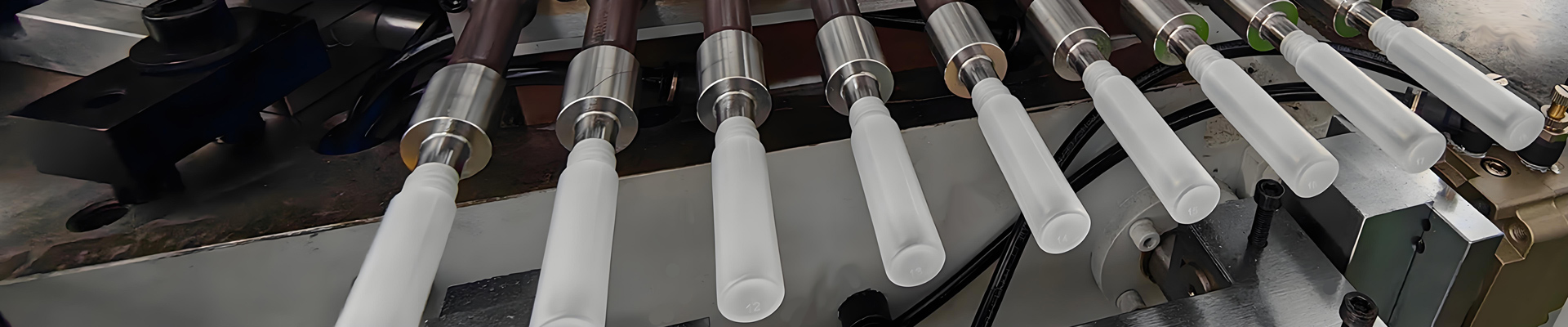
The cycle begins with the injection stage. The machine closes the mold around a steel blow pin (also called a mandrel). Molten plastic, usually heated to a specific viscosity, is injected into the mold cavity surrounding the blow pin. This forms a hollow tube of plastic known as a parison.
Key aspects of this stage include: Injection Pressure: High pressure is used to ensure the plastic fills every detail of the mold, particularly the neck threads. Cooling: Unlike standard injection molding, the parison is only partially cooled. It must remain soft enough to be blown but solid enough to hold its shape during transfer. Screw Recovery: While the plastic is being injected, the screw rotates and retracts to plasticize the next shot of material. AiBiM machines use precision temperature controllers to ensure the parison temperature is uniform, which is critical for consistent wall thickness in the final bottle.
Stage 2: Blowing and Stretching
Once the parison is formed, the mold opens, and the entire clamping unit rotates or moves linearly to the blow station. The blow pin, with the hot parison on it, moves into the blow mold. The blow mold contains the negative shape of the final bottle, including any embossing or labeling details.
At the blow station: Mold Clamping: The blow mold closes around the parison. Stretching: In the case of Injection Stretch Blow Molding (ISBM), a stretch rod pushes down inside the parison to stretch it longitudinally before air is introduced. This biaxial orientation significantly increases the strength and clarity of the bottle. Air Injection: Compressed air (usually 20 to 40 bar) is blown into the parison, forcing it to expand against the cool walls of the blow mold. Cooling: The plastic cools rapidly against the mold walls, solidifying into the final shape. The cooling time is a major factor in the overall cycle time. AiBiM’s blow stations are designed for rapid air exhaust to ensure even pressure distribution and fast cooling.
Stage 3: Ejection and Deflashing
After the bottle is sufficiently cooled and solidified, the blow mold opens. The blow pin retracts, and an ejector plate pushes the bottle off the pin. Because the injection and blow molds are separate, there is usually a small amount of flash (excess plastic) at the parting line where the two mold halves meet.
Post-Processing: Deflashing: The bottles usually pass through a deflashing machine (trimming press) to remove the excess plastic. Quality Control: AiBiM machines can be integrated with vision systems to inspect for defects like uneven walls or contamination. Scrap Handling: The trimmed flash is ground up and recycled back into the process. The blow pin then returns to the injection station to start the cycle again. This continuous rotation or reciprocation is what gives IBM machines their high productivity.
Advantages of the Injection Blow Molding Process
The working principle of IBM confers several distinct advantages over other blow molding methods, particularly Extrusion Blow Molding (EBM).
Precision and Consistency
Because the parison is injection molded, the wall thickness is controlled much more precisely than in extrusion. The neck finish is also molded in the injection stage, ensuring perfect roundness and thread integrity. This is vital for bottles that require child-resistant caps or induction sealing. AiBiM machines are renowned for this level of precision, making them ideal for high-end pharmaceutical applications.
Material Handling and Cleanliness
The IBM process is cleaner because the plastic is melted in a sealed barrel. There is less chance of contamination compared to extrusion, where the molten plastic is exposed to the air. This makes IBM the preferred method for medical and food-grade applications. Additionally, the process handles a wide range of materials, including PP, PE, PETG, and even engineering plastics, with excellent material property retention.
Design Flexibility
The separate molds allow for complex bottle geometries. Handles, shoulders, and base structures can be molded with high definition. The stretch-blow mechanism allows for lightweighting—creating strong bottles with less plastic—which reduces material costs and shipping weight.
Key Components Involved in the Principle
To execute this working principle effectively, the machine relies on several critical components working in harmony.
The Blow Pin (Mandrel)
This is the heart of the IBM machine. It must withstand high temperatures and pressures while maintaining perfect concentricity. It usually has air channels to allow compressed air to pass through it into the parison. AiBiM manufactures blow pins from high-grade stainless steel with specialized coatings to prevent plastic sticking.
Injection and Blow Molds
These molds are made from hardened tool steel. The injection mold creates the parison, while the blow mold creates the bottle exterior. They must align perfectly to ensure the parison transfers smoothly without stretching or tearing. Mold cooling channels are intricately designed to maximize heat transfer rates.
Clamping and Transfer Mechanisms
The machine needs a robust mechanism to move the blow pin between stations. This can be a rotary table or a linear shuttle system. The movement must be fast and precise to minimize cycle time. Hydraulic or servo-electric cylinders provide the force needed to keep the molds closed during the high-pressure blow phase.
Comparison with Other Blow Molding Methods
To fully appreciate the IBM working principle, it helps to compare it briefly with Extrusion Blow Molding (EBM) and Stretch Blow Molding (SBM).
IBM vs. EBM
EBM pushes a continuous tube of plastic (parison) between open molds and then closes them. It is cheaper and faster for large, simple containers (like drums or jerry cans). However, EBM has poor control over neck finish and wall thickness. IBM is superior for small to medium-sized, precision containers.
IBM vs. Injection Stretch Blow Molding (ISBM)
ISBM is a variation of IBM where the parison is stretched mechanically before blowing. This biaxial orientation creates PET bottles with glass-like clarity and high burst strength. AiBiM offers ISBM machines specifically for the beverage industry, where lightweight and strong bottles are essential.
الخلاصة
The working principle of the Injection Blow Molding Machine is a masterclass in manufacturing precision. By separating the creation of the preform from the final blowing stage, IBM achieves unparalleled control over container quality, particularly in the critical neck and wall thickness areas. Whether you are producing life-saving pharmaceuticals or premium cosmetics, understanding this principle helps you leverage the full potential of AiBiM’s machinery. For a deeper dive into technical specifications or to see the principle in action via video, visit www aibim-china com.