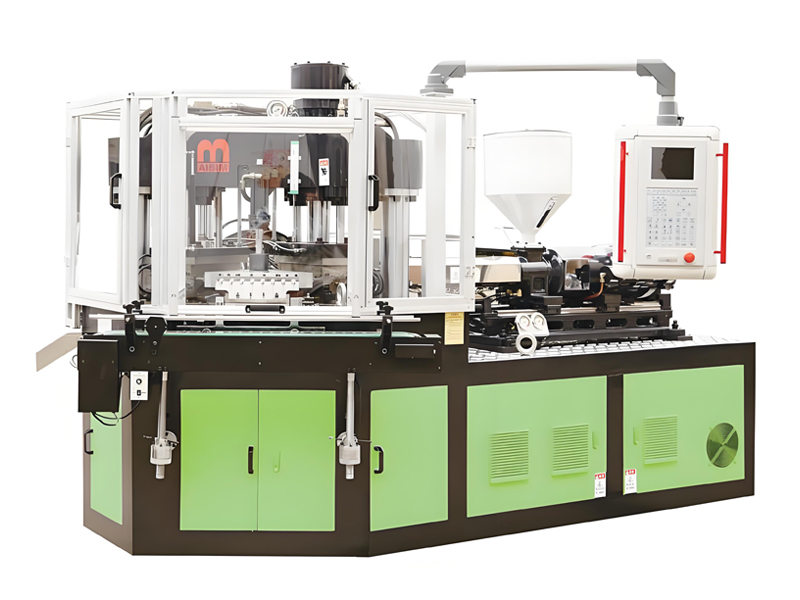
The global packaging industry is undergoing a significant transformation driven by sustainability demands, cost pressures, and environmental regulations. Lightweight design has emerged as one of the most effective strategies for plastic bottle manufacturers seeking to reduce material consumption while maintaining product quality and performance. An injection blow molding machine plays a crucial role in achieving these lightweight objectives, offering precision manufacturing capabilities that enable producers to create thinner-walled bottles without compromising structural integrity or consumer safety.
As brands and manufacturers worldwide commit to sustainable packaging goals, understanding the intersection of injection blow molding technology and lightweight design becomes essential for industry professionals. This comprehensive guide explores how injection blow molding machines contribute to lightweight bottle production, the technical principles behind successful weight reduction, and practical strategies for implementing lightweight solutions across various applications.
فهم التصميم خفيف الوزن في تصنيع الزجاجات البلاستيكية
Lightweight design represents a systematic approach to reducing the amount of plastic material used in bottle production while preserving or enhancing functional performance. This methodology goes beyond simple material reduction; it encompasses holistic engineering considerations including structural optimization, material selection, and manufacturing precision.
تحديد التصميم خفيف الوزن وسياق الصناعة
Lightweight design in plastic bottle manufacturing refers to the deliberate engineering of bottle structures that use less material than traditional designs while meeting equivalent or superior performance requirements. The concept gained prominence in the early 2000s when oil prices surged and environmental awareness increased, prompting manufacturers to seek efficiency improvements throughout their production operations.
The pharmaceutical, food, and beverage industries have been primary adopters of lightweight technology, driven by regulatory requirements, sustainability commitments, and economic incentives. Modern lightweight bottles typically achieve weight reductions of 15 to 40 percent compared to conventional designs, depending on the application requirements and material selection.
الأهمية البيئية والاقتصادية
The environmental benefits of lightweight plastic bottles extend across the entire product lifecycle. Reduced material consumption means less raw material extraction, lower energy consumption during manufacturing, decreased transportation emissions due to lighter product weights, and reduced waste at end-of-life. A single gram of plastic saved per bottle, when multiplied by millions of units produced daily, translates to substantial environmental impact reduction.
From an economic perspective, material costs typically represent 50 to 70 percent of total bottle production costs. Lightweight design directly addresses this variable cost driver, offering immediate savings that improve profit margins or enhance competitive pricing capability. Manufacturers implementing successful lightweight strategies often achieve return on investment within 12 to 24 months through combined material and transportation savings.
قبول المستهلك واتجاهات السوق
Contemporary consumers increasingly support sustainable packaging initiatives, with research indicating that over 60 percent of shoppers consider environmental factors when making purchasing decisions. Lightweight bottles align with consumer expectations for responsible packaging without sacrificing the convenience and functionality they demand.
Market trends show accelerated adoption across all major packaging segments. Major beverage brands have committed to significant weight reduction targets, while pharmaceutical companies increasingly specify lightweight containers for both environmental and patient-handling benefits. This market momentum creates both opportunity and pressure for manufacturers to develop or enhance their lightweight production capabilities.
مزايا قولبة النفخ بالحقن لإنتاج الزجاجات البلاستيكية
Injection blow molding technology offers distinct advantages for producing lightweight plastic bottles, particularly in applications requiring precision, consistency, and material efficiency. Understanding these advantages helps manufacturers make informed equipment decisions and optimize their production processes.
عملية تصنيع بخطوة واحدة
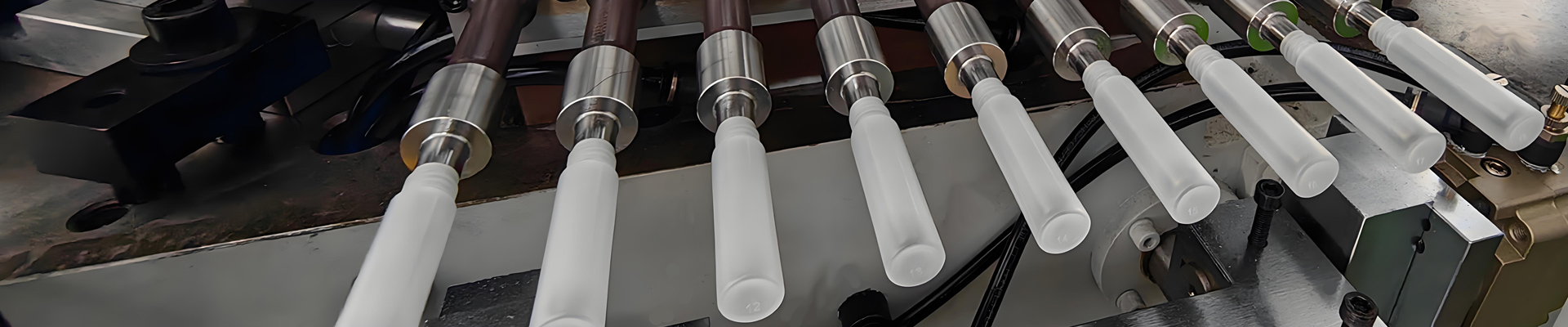
The injection blow molding machine executes bottle production through an integrated process that combines injection molding for the preform with blow molding for the final container shape. This one-step approach eliminates handling and transfer operations that characterize multi-stage manufacturing methods, reducing contamination risk and production cycle time.
The seamless integration of preform creation and bottle forming enables tighter process control and improved consistency. Each bottle emerges from the machine with uniform wall thickness distribution and precise dimensional characteristics, eliminating variations that often occur when preforms are transported between separate manufacturing stations.
تحكم فائق في سمك الجدار
Precise wall thickness control represents one of the most significant advantages of injection blow molding for lightweight applications. The technology enables manufacturers to program exact material distribution across the bottle structure, concentrating material in high-stress areas while reducing thickness where load requirements permit.
Advanced injection blow molding machines incorporate sophisticated control systems that monitor and adjust process parameters in real-time, maintaining thickness consistency within tight tolerances throughout production runs. This capability proves essential for lightweight bottles where even minor variations can compromise structural integrity or cause aesthetic defects.
دقة وسلامة رقبة الزجاجة
تُظهر نهاية الرقبة المقولبة بالحقن للزجاجات المقولبة بالنفخ بالحقن دقة أبعاد فائقة مقارنة بطرق التصنيع الأخرى. تنبع هذه الدقة من عملية الحقن عالية الضغط التي تملأ تجويف الرقبة بالمادة المنصهرة قبل حدوث أي شد أو نفخ.
For lightweight bottles, neck integrity proves particularly important as the closure area often represents the highest stress concentration point. Injection blow molding produces thread profiles and sealing surfaces that meet exact specifications, ensuring reliable sealing performance even with reduced material in adjacent body sections.
المقارنة مع القولبة بالنفخ والشد بالحقن
While both injection blow molding and injection stretch blow molding utilize similar initial injection steps, the stretching mechanism differs significantly. Injection stretch blow molding introduces axial stretching through a stretch rod, creating molecular orientation that enhances strength in the body section. This characteristic makes stretch blow molding particularly suitable for carbonated beverage applications requiring high hoop strength.
Injection blow molding without stretching offers advantages for certain applications including pharmaceutical containers, cosmetics packaging, and wide-mouth bottles. The absence of stretching simplifies tooling, reduces machine complexity, and often provides better material distribution control for non-carbonated applications. For lightweight designs targeting these segments, conventional injection blow molding frequently delivers superior results.
مبادئ التصميم للزجاجات البلاستيكية خفيفة الوزن
يتطلب تصميم الزجاجات خفيفة الوزن الناجح اهتمامًا هندسيًا منهجيًا عبر أبعاد تصميم متعددة. يجب على المصنعين موازنة أهداف تقليل الوزن مقابل المتطلبات الهيكلية وقيود المعالجة واعتبارات الاستخدام النهائي.
معايير اختيار المواد
يؤثر اختيار المادة بشكل أساسي على تقليل الوزن القابل للتحقيق وأداء الزجاجة النهائي. يقدم كل بوليمر خصائص مميزة تحدد ملاءمته لتطبيقات محددة.
PET represents the most common material for beverage and food packaging, offering excellent clarity, good mechanical properties, and widespread recycling infrastructure. Modern PET grades enable significant weight reduction while maintaining adequate barrier properties and impact resistance for most applications.
Polypropylene provides superior chemical resistance and thermal stability, making it suitable for pharmaceutical and cosmetics applications requiring sterilization or exposure to aggressive contents. PP lightweight bottles achieve excellent results with injection blow molding due to the material’s favorable flow characteristics and low temperature sensitivity.
Polyethylene offers cost-effective solutions for household and industrial chemical containers. HDPE provides excellent stiffness and chemical resistance, while LDPE enables flexible dispensing applications. Both materials respond well to lightweight optimization through injection blow molding processes.
يخدم البولي ستايرين، خاصة في درجات تحسين مقاومة الصدمات، التطبيقات التي تتطلب وضوحًا وصلابة. بينما يُستخدم بشكل أقل شيوعًا للزجاجات خفيفة الوزن بسبب مخاوف الهشاشة، تتيح تركيبات PS المعدلة حلول تغليف متخصصة مع اعتبارات تصميم مناسبة.
تحسين سماكة الجدار
يتطلب تحسين سماكة الجدار موازنة متطلبات متعددة متضاربة بما في ذلك القوة البنيوية والحفاظ على المواد والقدرة على المعالجة. يستخدم المهندسون تحليل العناصر المحدودة والاختبار العملي لتحديد توزيعات السماكة المثلى لتطبيقات محددة.
Modern lightweight design principles advocate for gradient wall thickness approaches that vary thickness based on localized stress analysis. High-stress regions such as the base, shoulder, and closure interface receive additional material, while body sections under lower stress accommodate thickness reductions. This targeted approach maximizes weight savings while maintaining structural adequacy.
يجب أن تحقق آلة القولبة بالنفخ بالحقن تحكمًا متسقًا في السماكة عبر نمط التوزيع المحسّن. تمكن قدرات برمجة الباريسون المتقدمة من تغيير السماكة بدقة خلال مرحلة النفخ، مترجمة نوايا التصميم إلى منتجات مصنعة بدقة عالية.
الأضلاع الهيكلية والتقوية
Strategic placement of structural ribs provides stiffness and impact resistance without proportional material increase. Ribbing proves particularly effective in maintaining column strength and preventing buckling in tall, slender bottle designs where body sections might otherwise require excessive thickness.
Effective rib design considers multiple factors including rib height-to-width ratios, spacing between ribs, and integration with body geometry. Properly designed ribs can increase structural stiffness by 30 to 50 percent while adding minimal weight, making them essential tools for lightweight optimization.
تمكن عملية القولبة بالنفخ بالحقن من تشكيل الأضلاع بدقة من خلال توزيع المواد المتحكم فيه خلال مرحلتي الحقن والنفخ. يجب أن يستوعب تصميم الأدوات هندسة الأضلاع مع ضمان ملء المواد الكامل وتشطيب سطحي مناسب.
تحسين تصميم القاعدة
يؤثر تصميم قاعدة الزجاجة بشكل كبير على كل من الأداء البنيوي وكفاءة المواد. تتطلب القواعد المسطحة التقليدية سماكة كبيرة لمقاومة التشوه تحت أحمال التكديس والضغط الداخلي، مما يقدم فرصًا للتحسين من خلال هندسات بديلة.
Champagne-style bases with recessed centers and radial ribbing achieve excellent stability and load resistance with reduced material compared to conventional designs. The curved geometry distributes stresses more efficiently than flat surfaces, enabling thickness reduction while maintaining or improving performance.
توفر القواعد ذات الأقدام التي تتضمن نقاط تلامس متعددة فرص تحسين إضافية لتطبيقات معينة. بينما تتطلب هذه التصاميم أدوات أكثر تعقيدًا، يمكنها تحقيق تقليل كبير في الوزن مع توفير استقرار وقابلية تكديس كافية.
تصميم الكتف والانتقال
تتطلب منطقة الكتف التي تربط تشطيب العنق بالجسم اهتمامًا تصميميًا دقيقًا لأنها تمثل منطقة تركيز إجهاد حرجة. يجب أن يحافظ تحسين الوزن الخفيف على قوة كافية في هذه المنطقة الانتقالية مع تقليل المادة حيث تسمح مستويات الإجهاد.
Smooth radius transitions between the neck and shoulder reduce stress concentrations and enable more aggressive lightweight measures in adjacent areas. Sharp corners create localized stress peaks that require additional material to prevent failure, making radius optimization an essential lightweight strategy.
The slope angle of the shoulder influences both material distribution during blow molding and stress distribution during use. Steeper shoulder angles facilitate material flow during manufacturing but may create stress concentrations requiring additional thickness. Design optimization balances these competing considerations for each specific application.
التقنيات الرئيسية الممكنة للإنتاج خفيف الوزن
تمكن التقنيات المتقدمة المدمجة في آلات القولبة بالنفخ بالحقن الحديثة من الدقة والتحكم اللازمين لإنتاج ناجح للزجاجات خفيفة الوزن. يساعد فهم هذه التقنيات المصنّعين على الاستفادة من استثماراتهم في المعدات بشكل فعال.
أنظمة تحكم دقيقة
Modern injection blow molding machines incorporate sophisticated control systems that manage all process parameters with high precision and repeatability. Closed-loop feedback systems monitor temperature, pressure, and position sensors throughout the production cycle, adjusting parameters in real-time to maintain optimal conditions.
تمكن وحدات التحكم المنطقية القابلة للبرمجة ذات قدرات الحركة المتقدمة من التنسيق الدقيق بين مراحل الحقن والنفخ والقذف. يثبت هذا التنسيق أنه ضروري للتطبيقات خفيفة الوزن حيث يمكن أن تسبب الاختلافات البسيطة انحرافات جودة كبيرة.
Human-machine interfaces provide intuitive operation and comprehensive monitoring capabilities, enabling operators to optimize settings for specific bottle designs and material combinations. Recipe storage functions allow quick changeovers between products while maintaining validated parameters for each configuration.
تطبيقات تقنية PREFILL
PREFILL technology represents an advanced control methodology that optimizes material distribution during the preform injection phase. By precisely controlling the filling pattern and pressure profile, PREFILL systems achieve more uniform preform wall thickness that translates directly to improved final bottle characteristics.
The technology enables manufacturers to produce preforms with specifically engineered thickness distributions that compensate for subsequent blow molding operations. This predictive control approach produces bottles with tighter tolerances and more efficient material placement than conventional processes.
بالنسبة للتطبيقات خفيفة الوزن، تثبت تقنية PREFILL أنها ذات قيمة خاصة لأنها تمكن تحسينًا أكثر قوة لتوزيعات سماكة الجدار. يمكن للمصنّعين تقليل السماكة المتوسطة مع الحفاظ على الأداء من خلال وضع المواد المستهدف بدقة.
إدارة توحيد درجة الحرارة
يؤثر توزيع درجة الحرارة المتسق عبر نظام الصهر والأدوات مباشرةً على جودة الزجاجة النهائية واتساقها. تدمج آلات القولبة بالنفخ بالحقن الحديثة مناطق تسخين وتبريد متعددة تحافظ على تحكم دقيق في درجة الحرارة عبر جميع الأسطح ذات الصلة.
يسبب عدم كفاية توحيد درجة الحرارة تباينات في اللزوجة داخل المصهور، مما يؤدي إلى عدم اتساق السماكة ونقاط ضعف في الزجاجة النهائية. تراقب الأنظمة المتقدمة درجة الحرارة في نقاط متعددة وتضبط ناتج التسخين تلقائيًا للحفاظ على الاتساق ضمن تفاوتات ضيقة.
بالنسبة للإنتاج خفيف الوزن، يصبح توحيد درجة الحرارة أكثر أهمية حيث تترك المقاطع الجدارية المخفضة هامشًا أقل لاختلافات المعالجة. يتيح التحكم الدقيق في درجة الحرارة سلوك تعبئة ونفخ متسقًا ينتج زجاجات خفيفة الوزن موحدة.
أنظمة تحسين ضغط الهواء
يوفر نظام هواء النفخ الطاقة التي تشكل المادة المنصهرة على سطح التجويف. يتضمن تحسين هذا النظام إدارة دقيقة لضغط النفخ والتوقيت والملف لتحقيق تشكيل كامل دون تمدد أو تشوه مفرط للمادة.
تمكن ملفات النفخ متعددة المراحل التي تبدأ بضغط أقل وتزداد إلى ضغط أعلى من تحكم أفضل في توزيع المواد من الأساليب أحادية الضغط. يثبت هذا النهج المرحلي أنه ذو قيمة خاصة للهندسات المعقدة للزجاجات والتصاميم خفيفة الوزن القوية.
تدمج الآلات الحديثة تحكمات هوائية دقيقة توفر ضغط هواء ثابتًا بغض النظر عن تقلبات جهد الخط أو تذبذبات إمداد الهواء المضغوط. يضمن هذا الاتساق جودة إنتاج مستقرة طوال الدورات الطويلة وعبر تغييرات الورديات.
مزايا آلة قولبة النفخ بالحقن من AiBiM للإنتاج خفيف الوزن
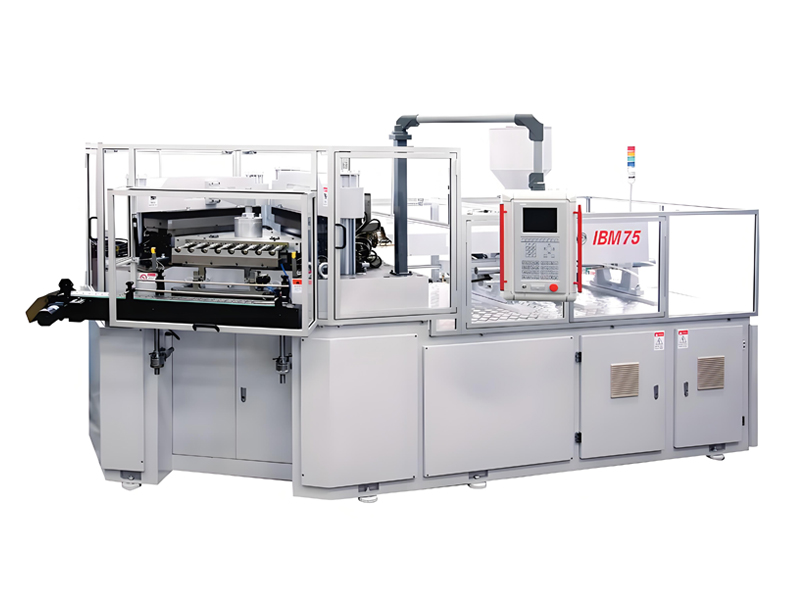
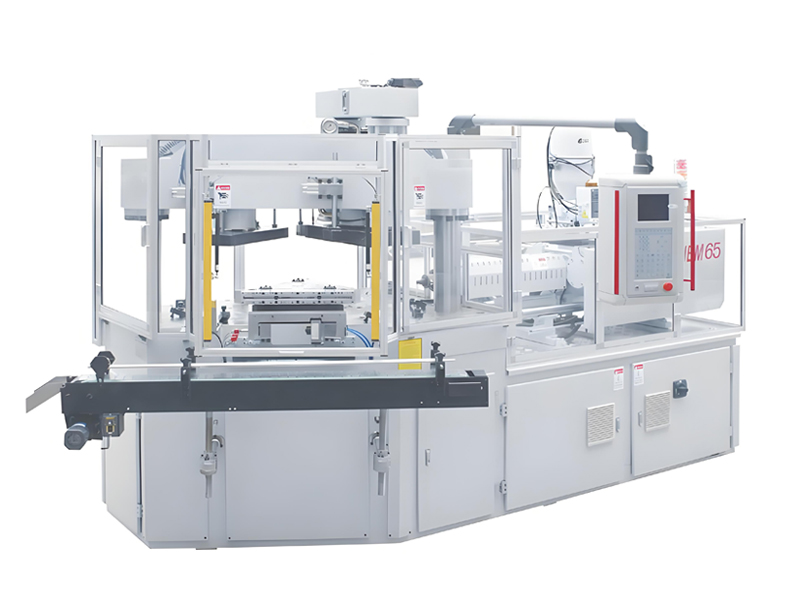
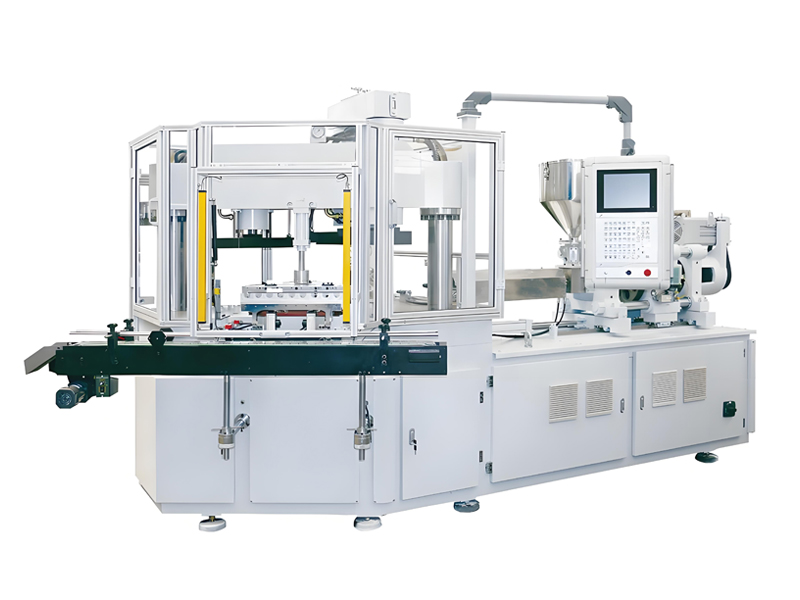
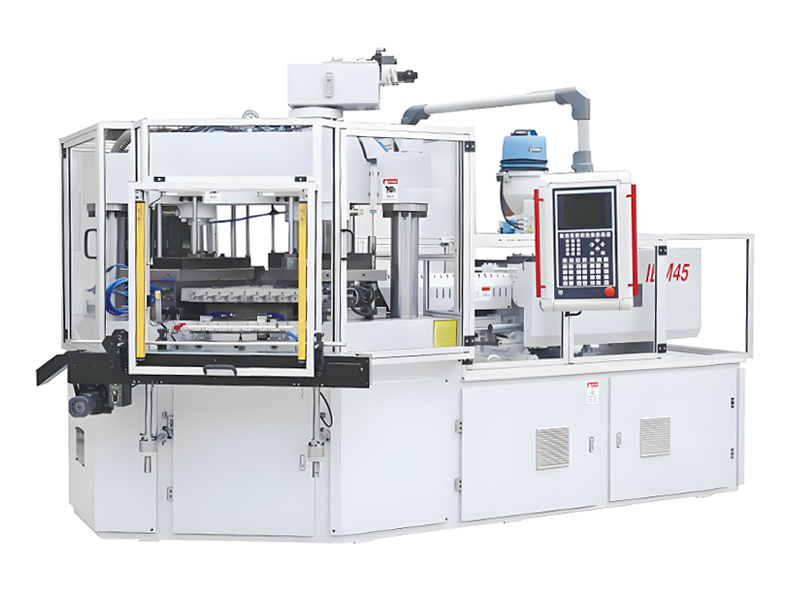
Zhangjiagang AiBiM Plastics Machinery Co., Ltd. has developed a comprehensive lineup of injection blow molding machines specifically engineered to meet the demanding requirements of lightweight bottle production. The IBM Series combines proven mechanical design with advanced control technologies to deliver exceptional performance across the full range of lightweight applications.
المواصفات الفنية لسلسلة IBM
تشمل سلسلة IBM من AiBiM ثلاثة طرازات رئيسية من الآلات مصممة لتلبية متطلبات الإنتاج المختلفة واعتبارات الميزانية. يدمج كل طراز ميزات محسّنة خصيصًا لتصنيع الزجاجات خفيفة الوزن.
The IBM55 Hybrid Electric machine represents the entry point to the lightweight-optimized lineup, offering competitive pricing from $95,000 to $130,000 while delivering professional-grade performance. This model handles containers from 3ml to 500ml with efficient production rates suitable for small to medium volume requirements.
The IBM65 model provides enhanced capabilities for medium-scale production, with pricing ranging from $110,000 to $165,000. This machine offers improved cycle times and larger shot capacities that enable higher production volumes while maintaining the precision control required for lightweight quality.
يمثل IBM75 الطراز الرائد للتطبيقات خفيفة الوزن الصعبة، بسعر يتراوح من 160,000 إلى 280,000 دولار. تقدم هذه الآلة أقصى أداء مع نطاقات سعة ممتدة حتى 1000 مل وأكثر ميزات التحكم تطورًا لتحقيق أهداف خفيفة الوزن طموحة.
ثبات تصميم العارضة المفردة والعمودين المزدوجين
يوفر التصميم الميكانيكي المبتكر بالعارضة المفردة والأعمدة المزدوجة استقرارًا استثنائيًا للمنصة طوال مرحلتي الحقن والنفخ. تضمن هذه البنية محاذاة دقيقة بين وحدة الحقن ومحطة النفخ، محافظةً على ظروف متسقة للإنتاج عالي الجودة.
Reduced mechanical complexity compared to traditional designs minimizes wear points and maintenance requirements while improving overall reliability. The symmetrical column arrangement distributes forces evenly, preventing deflection that could compromise dimensional accuracy in critical bottle features.
تثبت فلسفة التصميم هذه قيمتها بشكل خاص للتطبيقات خفيفة الوزن حيث يمكن حتى للتباينات المجهرية أن تسبب انحرافات جودة في المنتجات رقيقة الجدران. يوفر الاستقرار المتأصل في التصميم أساسًا متينًا لتحقيق تفاوتات محكمة عبر دورات الإنتاج الممتدة.
مزايا كفاءة الطاقة
AiBiM machines incorporate energy-efficient technologies that reduce operating costs by up to 35 percent compared to conventional alternatives. This efficiency improvement directly enhances the economics of lightweight bottle production by reducing the per-unit cost contribution of energy consumption.
تجمع أنظمة الدفع الكهربائية الهجينة بين دقة محرك المؤازرة واستهلاك الطاقة المحسّن، مما يوفر الأداء المطلوب دون هدر زائد للطاقة. تقلل وظائف إدارة الطاقة الذكية الاستهلاك خلال فترات الخمول وتضبط توصيل الطاقة ليتناسب مع متطلبات الإنتاج الفعلية.
تحسن وفورات الطاقة بنسبة 35 بالمائة بشكل كبير الجداول الزمنية للعائد على الاستثمار لمعدات الإنتاج خفيفة الوزن. وبالاقتران مع وفورات المواد من أوزان الزجاجات المنخفضة، يحقق المصنعون مزايا مقنعة للتكلفة الإجمالية للملكية.
سهولة تخزين المعلمات على بطاقة SD
تتيح وظيفة التخزين المدمجة على بطاقة SD إدارة مريحة لمعلمات الإنتاج عبر تصميمات ومواد الزجاجات المختلفة. تبسط هذه الميزة إجراءات التبديل وتضمن قابلية تكرار الإعدادات المُتحقق منها.
يمكن للمشغلين تخزين ملفات تكوين كاملة تشمل إعدادات درجة الحرارة وملفات الضغط وتسلسلات التوقيت ومعلمات توزيع السماكة. تلغي قدرة التخزين الشاملة هذه إدخال المعلمات يدويًا وتقلل وقت التغيير مع منع أخطاء النسخ.
يسهل نظام بطاقة SD أيضًا متطلبات النسخ الاحتياطي والتوثيق لأنظمة إدارة الجودة. يمكن الحفاظ على المعلمات المُتحقق منها في أرشيفات آمنة، مما يتيح الاسترداد السريع بعد أنشطة الصيانة أو نقل المعدات.
تحليل التكلفة والعائد للزجاجات البلاستيكية خفيفة الوزن
يقدم إنتاج الزجاجات خفيفة الوزن فوائد اقتصادية كبيرة تمتد عبر فئات تكلفة متعددة. التحليل الشامل يمكن من اتخاذ قرارات مستنيرة حول استراتيجيات تنفيذ التخفيف واستثمارات المعدات.
حسابات توفير تكاليف المواد
تمثل وفورات تكلفة المواد الفائدة الأكثر فورية وقابلة للقياس للتصميم خفيف الوزن. ضع في اعتبارك زجاجة مشروبات نموذجية بحجم 500 مل تزن 25 جرامًا في التصميم التقليدي. يخفض تقليل الوزن بنسبة 25 بالمئة هذا إلى 18.75 جرامًا، مما يوفر 6.25 جرامًا لكل زجاجة.
At a PET resin price of $1.50 per kilogram, the material saving equals approximately 0.94 cents per bottle. For a production facility manufacturing one million bottles monthly, this translates to monthly savings of $9,400 or annual savings exceeding $112,000. Larger facilities with higher volumes realize proportionally greater savings.
These calculations assume constant resin pricing; actual savings increase when considering that lightweight reduction often enables procurement of smaller quantities at equivalent per-kilogram costs. Additionally, reduced material consumption lowers handling, storage, and transportation costs within the manufacturing facility.
تحليل خفض تكاليف النقل
يؤثر تقليل الوزن مباشرة على اقتصاديات النقل عبر سلسلة التوريد بأكملها. تقلل الزجاجات الأخف تكاليف الشحن لكل وحدة، وتتيح المزيد من الزجاجات لكل منصة نقالة أو حاوية شحن، وتقلل استهلاك الوقود لمركبات النقل.
يقلل تخفيض الوزن بنسبة 25 بالمئة في تغليف الزجاجات عادةً تكاليف النقل بنسبة 8 إلى 15 بالمئة، حسب المسافة والوسيلة وتكوينات المنتج المحددة. للشحنات الدولية، حيث تتراكم تكاليف الشحن بشكل كبير، تصبح هذه الوفورات جوهرية بشكل خاص.
تستفيد مناولة المستودعات أيضًا من الوزن المخفض، مع عمليات تحميل وتفريغ أسرع وتقليل إجهاد العمال وخطر الإصابة وتحسين كثافة التخزين. تترجم هذه التحسينات التشغيلية إلى وفورات في تكاليف العمالة وقدرة إنتاجية محسنة.
فترة استرداد استثمار المعدات
يتطلب الاستثمار في معدات القولبة بالنفخ بالحقن المتقدمة للإنتاج خفيف الوزن تقييمًا دقيقًا للجداول الزمنية للعائد. يجب أن يأخذ التحليل في الاعتبار كلاً من الزيادات في التكلفة للمعدات القادرة والوفورات الشاملة القابلة للتحقيق من خلال الإنتاج خفيف الوزن.
For an AiBiM IBM65 machine priced at approximately $140,000, the monthly material and transportation savings achievable with lightweight production typically generate paybacks within 14 to 20 months for moderate-volume facilities. Higher volume operations achieve faster returns, often within 10 to 14 months.
Beyond direct cost savings, manufacturers benefit from enhanced competitive positioning through sustainability credentials, potential premium pricing for lightweight products, and improved capacity utilization from reduced material handling requirements. These factors often accelerate returns beyond baseline calculations.
سيناريوهات حجم الإنتاج
أحجام الإنتاج المختلفة تقترح أساليب مثالية مختلفة لتنفيذ خفة الوزن. فهم هذه السيناريوهات يساعد المصنعين على ضبط حجم استثماراتهم واستراتيجياتهم.
Low-volume producers manufacturing 50,000 to 200,000 bottles monthly may find that modest lightweight reductions of 15 to 20 percent deliver optimal returns through simplified implementation and reduced risk. Entry-level equipment investments combined with incremental design improvements often prove most cost-effective for this segment.
يمكن للعمليات متوسطة الحجم التي تنتج من 200,000 إلى 1,000,000 زجاجة شهريًا أن تبرر أهداف تخفيف الوزن الأكثر طموحًا من 25 إلى 35 بالمئة إلى جانب الاستثمارات المقابلة في المعدات. يدعم هذا المستوى من الحجم عادةً اختيارات الآلات المتوسطة وجهود التحسين الأكثر شمولاً.
High-volume producers exceeding 1,000,000 bottles monthly should pursue maximum lightweight potential with premium equipment selections and ongoing optimization programs. At these volumes, even small percentage improvements translate to substantial absolute savings that justify significant investment in capability development.
مجالات تطبيق الزجاجات البلاستيكية خفيفة الوزن
تنطبق تقنية الزجاجات خفيفة الوزن عبر قطاعات صناعية متنوعة، ولكل منها متطلبات محددة وفرص تحسين. يساعد فهم مجالات التطبيق هذه المصنّعين على تحديد الأهداف الواعدة لتطبيق الوزن الخفيف.
تطبيقات صناعة المشروبات
تمثل صناعة المشروبات أكبر سوق لإنتاج الزجاجات البلاستيكية، مع فرص تنفيذ كبيرة لتخفيف الوزن عبر قطاعات فرعية متعددة. زجاجات المياه وحاويات العصير ومشروبات الشاي كلها تستفيد من تقليل الوزن مع الحفاظ على الوظيفة المطلوبة.
Still water bottles present excellent lightweight opportunities as they experience minimal internal pressure and handle relatively gentle conditions throughout their lifecycle. Conventional water bottles in the 500ml to 1500ml range often achieve 30 to 40 percent weight reduction through optimized design and injection blow molding production.
تتطلب مشروبات العصير والشاي أساليب تخفيف وزن أكثر تحفظًا إلى حد ما بسبب متطلبات البسترة ومحتوى الحمض المحتمل. ومع ذلك، حتى هذه التطبيقات تحقق عادةً تخفيض وزن بنسبة 20 إلى 30 بالمئة مع اعتبارات التصميم والمواد المناسبة.
تطبيقات صناعة الأغذية
تستخدم تطبيقات تغليف الطعام بما في ذلك الصلصات والتوابل والزيوت ومنتجات الطعام المتخصصة زجاجات بلاستيكية تستوعب تحسين الوزن الخفيف الفعال. تخلق الهندسة المتنوعة ومتطلبات الإغلاق لتغليف الطعام فرص تحسين متنوعة.
تتميز زجاجات الصلصات والتوابل غالبًا بهندسات معقدة مع مواد كبيرة في مناطق الإغلاق والقواعد. يمكن لإعادة التصميم للإنتاج خفيف الوزن تحقيق تخفيض وزن بنسبة 20 إلى 30 بالمئة مع الحفاظ على الأداء الوظيفي لتوزيع المنتجات اللزجة واستقرار الرف.
Cooking oil bottles present unique opportunities due to the product weight and volume typically involved. A lightweight 1-liter oil bottle weighing 40 grams instead of 55 grams saves 15 grams per unit, translating to significant material savings when considering the volumes typical for this category.
تطبيقات صناعة الأدوية
Pharmaceutical packaging demands rigorous quality standards that inform lightweight strategies differently than consumer goods applications. While pharmaceutical bottles must meet strict regulatory requirements, thoughtful design enables meaningful weight reduction while ensuring complete product protection.
Oral liquid containers in sizes from 10ml to 100ml serve as excellent candidates for lightweight implementation. These small-volume containers often utilize excessive material in conventional designs, creating opportunities for 25 to 35 percent weight reduction without compromising medication safety or dosing accuracy.
Eye drop bottles require particular attention to closure area design and dropper functionality while offering lightweight opportunities in body sections. The precision capabilities of injection blow molding enable optimization that preserves functional requirements while reducing material consumption.
تطبيقات صناعة مستحضرات التجميل
توازن تغليف مستحضرات التجميل بين المتطلبات الوظيفية والاعتبارات الجمالية التي تؤثر على نهج التصميم خفيف الوزن. غالبًا ما تهيمن جماليات العبوات (الزجاجات) على إدراك المستهلك، مما يتطلب موازنة
Lotion and serum bottles frequently achieve 20 to 30 percent weight reduction while maintaining the visual quality and product protection required for cosmetic applications. Injection blow molding delivers the surface finish quality that cosmetics branding demands while enabling effective lightweight optimization.
Travel-size cosmetic containers present particularly compelling lightweight opportunities due to the volumes involved and the direct relationship between container weight and shipping costs for these small-format products. Even modest weight reductions translate to meaningful savings at typical travel-size production volumes.
دليل الاختيار: اختيار المعدات لإنتاج الزجاجات خفيفة الوزن
يتطلب اختيار المعدات المناسبة لإنتاج الزجاجات خفيفة الوزن تقييمًا منهجيًا لعوامل متعددة. يوفر هذا الدليل إطارًا لاتخاذ قرارات معدات مستنيرة تتماشى مع متطلبات الإنتاج والأهداف التجارية.
تقييم الطاقة الإنتاجية
يشكل التقييم الدقيق للقدرة أساس اختيار المعدات. يجب على المصنّعين تقييم أحجام الإنتاج الحالية ومسارات النمو المتوقعة ومتطلبات العقود المحتملة التي قد تؤثر على احتياجات القدرة المستقبلية.
تتعامل آلة IBM55 من AiBiM مع معدلات إنتاج مناسبة لما يصل إلى حوالي 800,000 زجاجة صغيرة شهريًا، مما يجعلها مناسبة للعمليات المبتدئة أو التطبيقات المتخصصة صغيرة الحجم. توسع IBM65 هذه القدرة إلى حوالي 1,200,000 وحدة شهريًا للمنتجين متوسطي الحجم.
يجب على المنتجين عاليي الحجم الذين يتطلبون أقصى إنتاج النظر في IBM75، الذي يوفر سرعة وسعة محسنتين لجداول إنتاج صعبة. غالبًا ما يثبت الاستثمار الإضافي أنه مبرر من خلال إنتاجية فائقة وتكاليف عامة مخفضة لكل وحدة.
اعتبارات تعقيد الزجاجة
يؤثر تعقيد تصميم الزجاجة على متطلبات مواصفات الآلة واستثمارات الأدوات معًا. يمكن غالبًا إنتاج الزجاجات الأسطوانية البسيطة ذات الميزات القليلة بفعالية على تكوينات المعدات القياسية، بينما تستفيد الهندسات المعقدة من قدرات التحكم المتقدمة.
Features such as specialized base geometries, complex shoulder transitions, large mouth diameters, or integrated handles require enhanced control precision and potentially more sophisticated tooling. Manufacturers should honestly assess their product portfolio complexity when evaluating equipment specifications.
AiBiM machines across the IBM Series incorporate the control capabilities required for complex lightweight designs, with more advanced models offering additional precision and flexibility for demanding applications. This scalability enables manufacturers to match equipment to actual requirements rather than purchasing excessive capability.
متطلبات توافق المواد
تقدم المواد المختلفة متطلبات معالجة مختلفة تؤثر على مواصفات المعدات. يجب على المصنعين التأكد من أن المعدات المحتملة تتعامل مع المواد المطلوبة لتطبيقاتهم المستهدفة بالقدرة والكفاءة المناسبين.
تستوعب آلات سلسلة IBM النطاق الكامل من المواد الشائعة في إنتاج الزجاجات خفيفة الوزن بما في ذلك درجات PET وPP وPE وPS. تمكن أنظمة التحكم من تحسين المعايير بدقة لكل عائلة مواد، مما يضمن جودة متسقة عبر تغييرات المواد.
قد تتطلب التطبيقات المتخصصة التي تحتاج مواد غير عادية أو ظروف معالجة صعبة تقييمًا إضافيًا. يمكن لدعم AiBiM الفني تقديم إرشادات محددة لمتطلبات المواد الصعبة.
توازن الميزانية والعائد على الاستثمار
يجب أن توازن قرارات استثمار المعدات بين متطلبات رأس المال المسبقة والعوائد طويلة الأجل. بينما تقدم المعدات المتميزة قدرات محسنة، يجب على المصنّعين التأكد من أن الميزات الإضافية تحقق قيمة متناسبة لمواقفهم الخاصة.
يوفر IBM55 نقطة دخول سهلة المنال للمصنّعين الجدد في الإنتاج خفيف الوزن أو الذين يعملون بتوفر رأس مال محدود. تمكن نسبة الأداء إلى السعر المقنعة من عائد سريع على الاستثمار مع بناء قدرات للتقدم المستقبلي.
Producers with established lightweight operations or demanding requirements may find that IBM65 or IBM75 investments deliver superior returns through enhanced capabilities, improved efficiency, and expanded application range. The total cost of ownership analysis should guide these decisions rather than purchase price alone.
التحديات والحلول الشائعة في الإنتاج خفيف الوزن
يمثل إنتاج الزجاجات خفيفة الوزن تحديات محددة تتطلب فهمًا ومناهج منهجية للحل الناجح. يتناول هذا القسم المشكلات الشائعة ويوفر حلولًا عملية للحفاظ على الجودة والكفاءة.
معالجة مشكلات انتظام سماكة الجدار
يمثل سمك الجدار غير المتسق التحدي الأكثر شيوعًا للجودة في إنتاج الزجاجات خفيفة الوزن. الاختلافات تسبب نقاط ضعف تضر بالسلامة الهيكلية وتخلق عيوبًا جمالية تؤثر على قابلية التسويق.
Solutions focus on three primary areas: tooling quality, process control, and design optimization. High-quality tooling with proper venting and material flow channels enables consistent filling behavior. Advanced process control systems maintain stable parameters throughout production runs. Optimized designs with appropriate thickness distributions minimize sensitivity to normal process variations.
تدمج آلات AiBiM ميزات تحكم متقدمة مصممة خصيصًا لمعالجة تجانس السماكة، بما في ذلك برمجة الباريسون الدقيقة والمراقبة ذات الحلقة المغلقة التي تحدد التغيرات وتصححها قبل أن تسبب مشاكل في الجودة.
منع تشوه رقبة الزجاجة
تشوه تشطيب العنق يضر بأداء الإغلاق وقبول المستهلك. تركز التصميمات خفيفة الوزن أحيانًا الإجهاد في مناطق العنق، مما يخلق قابلية للتغيرات الأبعادية أثناء الإنتاج أو المناولة اللاحقة.
Prevention strategies include maintaining adequate material in critical neck dimensions, optimizing cooling sequences to reduce thermal stress, and implementing appropriate handling procedures throughout production and filling operations. Tooling design must ensure proper support during ejection and subsequent handling.
Injection blow molding inherently produces superior neck finish quality compared to other methods, providing a foundation for lightweight optimization without sacrificing this critical feature. Combined with appropriate design attention and process control, manufacturers can achieve lightweight goals while maintaining neck quality.
التعامل مع تعقيدات اختيار المواد
يتضمن اختيار المواد للتطبيقات خفيفة الوزن موازنة متطلبات أداء متعددة مقابل اعتبارات التكلفة والمعالجة. تنوع الراتنجات المتاحة والإدخال المستمر لدرجات جديدة يعقدان عملية اتخاذ القرار.
Systematic evaluation approaches help navigate this complexity. Begin by clearly defining performance requirements including strength, clarity, barrier properties, chemical resistance, and regulatory compliance. Then evaluate material options against these requirements, considering both conventional grades and newer lightweight-optimized formulations.
غالبًا ما يثبت التشاور مع موردي المواد أنه قيم، حيث يمكن للموردين التوصية بالدرجات المناسبة ومشاركة الخبرة من التطبيقات المماثلة. يقدم الدعم الفني من AiBiM أيضًا إرشادات بناءً على خبرة واسعة عبر أنواع المواد والتطبيقات.
حل قيود معدل الإنتاج
يتطلب تحقيق الجودة خفيفة الوزن أحيانًا معدلات إنتاج أبطأ من التصنيع التقليدي. يؤثر هذا التوتر بين الجودة والإنتاجية على اختيار المعدات وتخطيط الإنتاج.
تحل المعدات الحديثة ذات قدرات التحكم المتقدمة هذا التعارض بشكل متزايد، مما يتيح الجودة والسرعة معًا. غالبًا ما يثبت الاستثمار في معدات قادرة أنه أكثر اقتصادًا من قبول تنازلات الجودة أو قيود الإنتاج.
Production planning should realistically account for achievable rates with specific products and materials. Building appropriate cycle time allowances into production schedules prevents quality problems caused by excessive speed pressure. As manufacturers gain experience with lightweight production, optimization typically enables continuous improvement in achievable throughput.
الخلاصة: الشراكة لتحقيق نجاح الوزن الخفيف
يمثل إنتاج الزجاجات البلاستيكية خفيفة الوزن فرصة استراتيجية للمصنعين الذين يسعون إلى تقليل التكاليف وتعزيز الاستدامة وتحسين الوضع التنافسي. يتطلب النجاح تكاملًا مدروسًا لتحسين التصميم واختيار المواد والقدرة التصنيعية.
Injection blow molding technology provides essential capabilities for achieving lightweight objectives while maintaining the quality and consistency that markets demand. The precision control and material efficiency of this manufacturing approach make it ideally suited for lightweight applications across diverse industry segments.
Zhangjiagang AiBiM Plastics Machinery Co., Ltd. offers comprehensive solutions for lightweight bottle production through the IBM Series lineup. With 12 years of industry experience, exports to more than 40 countries, CE certification compliance, and advanced technologies including PREFILL systems and energy-efficient operation, AiBiM provides the capability and support manufacturers need for lightweight success.
Whether producing pharmaceutical containers, beverage bottles, food packaging, or cosmetics containers, manufacturers can benefit from AiBiM’s proven technology and global service network. Contact our team to discuss your specific requirements and explore how our injection blow molding machines can support your lightweight production objectives.
The path to successful lightweight production requires careful planning, appropriate investment, and ongoing optimization. With the right equipment partner and systematic approach, manufacturers can achieve substantial benefits across economic, environmental, and competitive dimensions. Start your lightweight journey today by evaluating how AiBiM technology can transform your plastic bottle production capabilities.