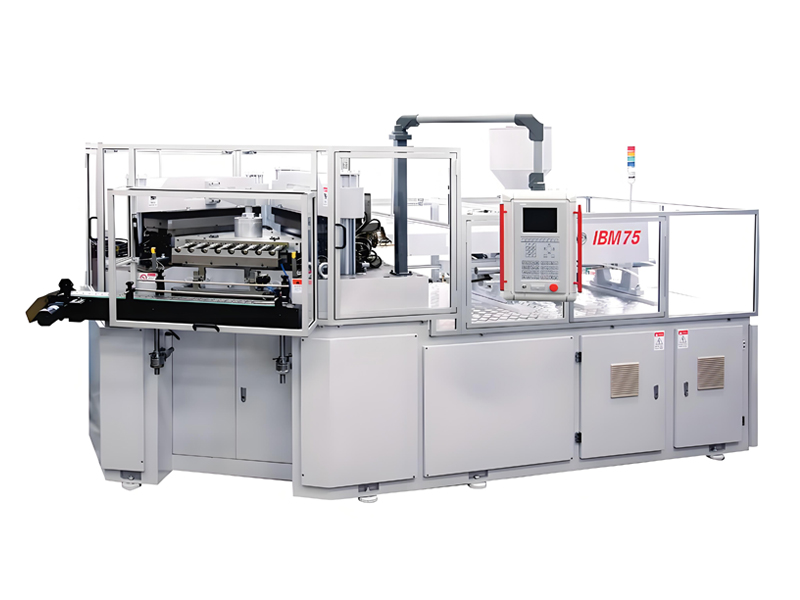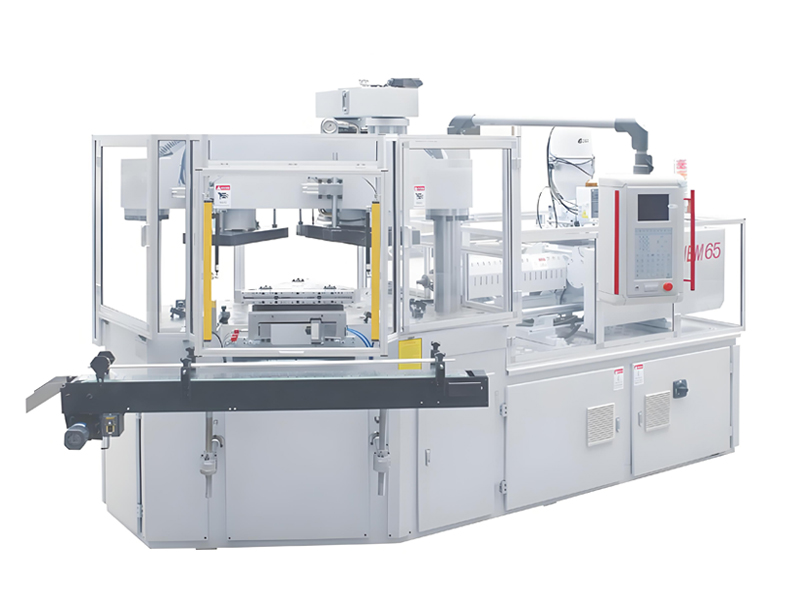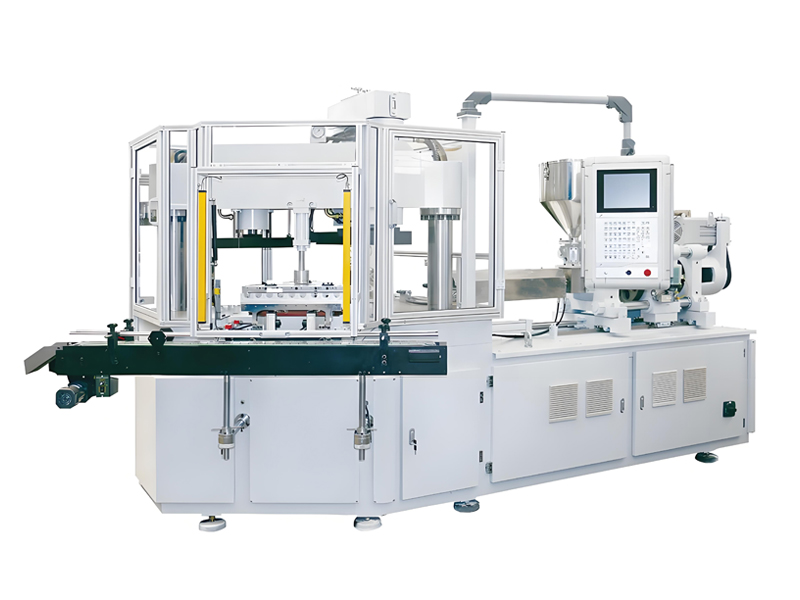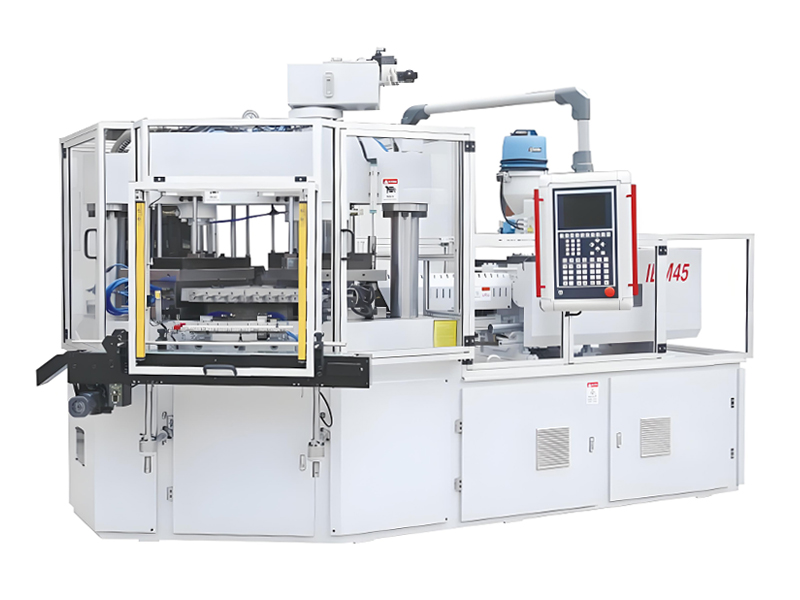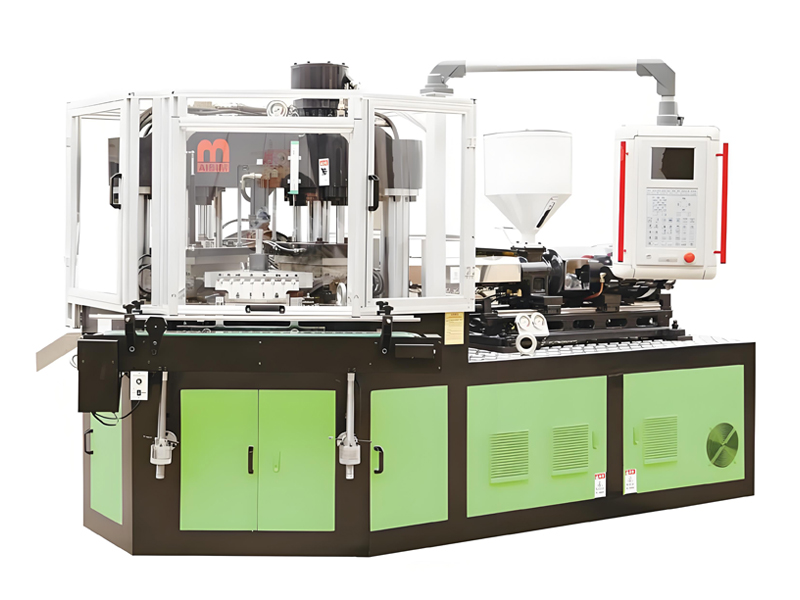
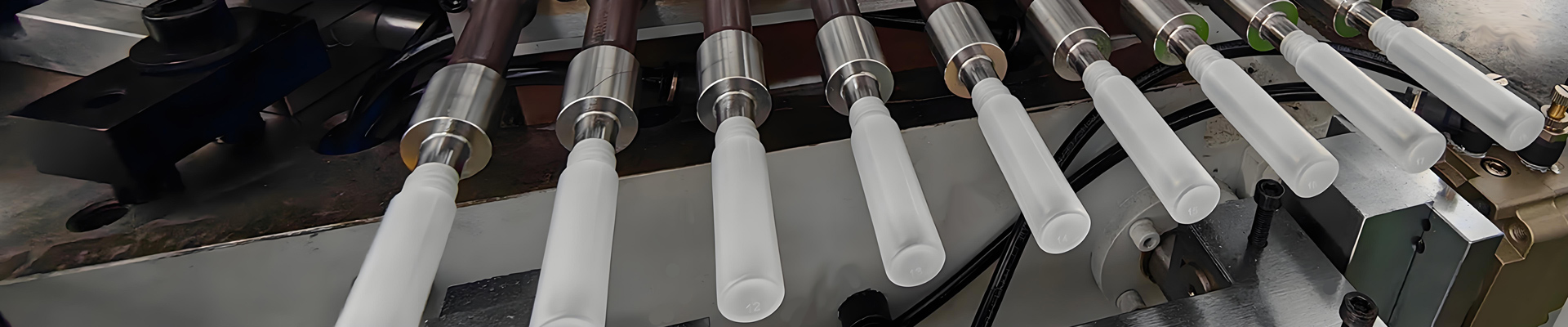
Defect prevention in injection blow molding machine production represents one of the most critical challenges facing manufacturers seeking to deliver consistent quality and control production costs. Common defects including flash formation, wall thickness variation, short shots, and surface imperfections can significantly impact production efficiency and product quality. Understanding the root causes of these defects and implementing systematic prevention strategies enables manufacturers to achieve excellent first pass quality while minimizing waste and rework expenses.
فهم عيوب القولبة بالنفخ بالحقن الشائعة
تكوين النتوء ومشاكل خط الفصل
Flash formation occurs when molten material escapes past the mold parting line or seal surfaces during injection or blow stages. This defect manifests as thin protrusions of material along container edges that require trimming and increase material waste. Flash results from inadequate clamping force, worn or damaged mold seal surfaces, or injection pressure that exceeds mold containment capacity.
Parting line alignment issues produce similar visual defects and may affect dimensional accuracy of the finished container. Misalignment between cavity halves causes steppage at the split line that can interfere with closure application or affect sealing surface integrity. Precise mold alignment during assembly and regular maintenance of alignment mechanisms prevent parting line defects.
تباين سماكة الجدار
Wall thickness variation represents one of the most significant quality concerns in injection blow molding production. Uneven material distribution affects structural integrity, barrier properties, and appearance quality of containers. Variation typically results from improper core rod alignment, uneven cooling, or incorrect blow timing and pressure parameters.
Excessive wall thickness variation can cause weak points in containers that fail during filling, shipping, or end use. In pharmaceutical applications, wall thickness variation may affect barrier properties that protect product stability. Measurement of wall thickness at multiple points around container circumference and length identifies variation patterns that help diagnose root causes.
الحقن الناقص والتشكيل غير الكامل
Short shots occur when material fails to completely fill the mold cavity, resulting in incomplete containers or missing sections. This defect wastes material and production time while producing parts that must be discarded. Causes include insufficient injection pressure, material viscosity too high for the injection conditions, or restricted flow paths in the mold.
Incomplete formation during the blow stage produces containers that do not fully replicate cavity geometry. This defect may appear as incomplete detail formation, visible seams, or poor surface replication. Blow stage issues typically result from insufficient blow pressure, premature material cooling, or improper timing between injection and blow phases.
عيوب السطح ومشاكل المظهر
Surface defects include a range of appearance issues that affect container quality perception and may indicate underlying structural concerns. Sink marks appear as depressions in container surfaces, typically near thick sections or ribs, caused by internal material contraction during cooling. Flow lines appear as streaks or patterns on container surfaces resulting from material flow patterns during injection.
Weld lines occur where material flow fronts meet after flowing around obstacles such as core pins. These lines create stress concentrations and affect appearance quality, particularly in transparent materials where they are highly visible. Causes include low melt temperature, low injection speed, or mold design that creates flow obstacles.
تحليل الأسباب الجذرية واستراتيجيات الوقاية
منع العيوب المتعلقة بالمواد
Material selection and preparation significantly influence defect occurrence in injection blow molding production. Material moisture content must be controlled within specification to prevent hydrolysis degradation and moisture related defects. Hygroscopic materials including polyethylene terephthalate and nylon require drying at elevated temperatures for specified times before processing.
Material contamination from previous production runs or improper storage introduces defects including black specs, color variation, and property degradation. Implement material handling procedures that prevent contamination including dedicated material handling equipment, sealed storage containers, and material verification before production use. Material lot tracking enables identification of quality issues to specific material lots.
تحسين لزوجة المواد
Material viscosity affects how material fills the mold cavity and influences final part quality. Viscosity varies with temperature, shear rate, and material moisture content. High viscosity causes incomplete filling and excessive pressure requirements, while low viscosity may cause flash and poor surface replication. Optimize processing conditions to achieve appropriate viscosity for the specific application.
الحقن speed affects shear rate in the material, influencing viscosity during the filling phase. Higher speeds increase shear thinning in most polymers, reducing effective viscosity and improving fill characteristics. However, excessive speed can cause other issues including air entrapment and surface defects. Balance injection speed against other parameters to achieve optimal filling conditions.
التحكم في درجة الحرارة لمنع العيوب
Mold temperature significantly affects part quality and defect occurrence. Insufficient mold temperature increases material viscosity and can cause incomplete filling, particularly in thin wall sections. Excessive mold temperature can cause flashing, poor ejection, and extended cycle times. Maintain mold temperature within specifications established during process development.
Temperature uniformity throughout the mold prevents differential cooling that causes warpage, dimensional variation, and internal stress. Uneven cooling results from cooling channel blockage, inadequate flow, or insufficient channel sizing. Regular maintenance of cooling systems ensures consistent temperature distribution throughout production runs.
تصميم القوالب وصيانتها لضمان الجودة
اعتبارات تصميم القالب
Mold design fundamentally influences defect susceptibility and quality achievable in production. Proper gate design ensures complete cavity filling without hesitation or air entrapment. Gate location affects material flow patterns and can influence weld line positions and wall thickness distribution. Gate sizing must balance fill requirements against aesthetic considerations and ejection ease.
Draft angle design facilitates part release from the mold without damage. Insufficient draft causes ejection difficulties that can scratch or deform container surfaces. Standard draft angle requirements range from one half degree to two degrees per side depending on material selection and surface texture requirements. Deep draw sections require proportionally larger draft angles.
بروتوكولات الصيانة الدورية
Preventive maintenance prevents quality issues caused by mold wear and deterioration. Establish maintenance schedules based on production volume rather than calendar time. High volume production may require weekly or even daily maintenance attention, while lower volume production can extend intervals appropriately. Document all maintenance activities and their results.
Critical maintenance items include cleaning of parting line surfaces, verification of alignment pin and bushing conditions, inspection of seal surfaces for wear, and verification of cooling channel integrity. Wear in these areas directly affects quality parameters and should be addressed before defects become significant problems. Replacement parts should meet original specifications to maintain quality consistency.
مراقبة تآكل القالب وتصحيحه
Monitor mold wear through regular dimensional verification of critical cavity dimensions. Track dimensional trends over time to identify wear progression before dimensions exceed tolerance limits. Statistical process control techniques applied to dimensional data enable early identification of drift that may indicate developing problems.
When wear is identified, evaluate repair options based on extent and cost. Minor wear may be addressable through polishing or minor machining, while significant wear may require complete component replacement. Planned repair activities should be scheduled during planned downtime to minimize production disruption.
تحسين معلمات العملية
ضبط معلمات الحقن والتحكم فيها
الحقن parameters require careful optimization to achieve defect free production. الحقن pressure must be sufficient to fill the cavity completely without causing flash or excessive stress. Initial settings should follow material supplier recommendations, then refined based on observed quality results. Incremental adjustments of 5 to 10 percent are appropriate when optimizing pressure settings.
الحقن speed affects material flow patterns, pressure requirements, and surface quality. Multiple speed stages may be beneficial for complex parts, allowing slower injection through critical sections and faster injection through less sensitive areas. Pressure and speed profiles should be coordinated to achieve smooth transitions between stages.
تحسين مرحلة النفخ
Blow stage parameters control material distribution and container formation during the blow phase. Blow pressure must be sufficient to fully expand the preform against cavity walls without causing material thinning or rupture. Higher pressures are typically required for containers with complex geometries or thick walls.
Blow timing controls when blow pressure activates relative to material cooling. Premature blow activation causes material sag and neck deformation, while delayed activation allows excessive cooling that requires higher pressures for adequate formation. Optimize timing through observation of part quality with incremental adjustments of 0.1 seconds.
إدارة معايير التبريد
Cooling time typically represents the largest portion of cycle time in injection blow molding. Insufficient cooling causes dimensional instability, warpage, and potential quality issues after containers leave the production line. Excessive cooling wastes production time without quality benefit. Optimize cooling time based on actual dimensional stability rather than arbitrary settings.
Cooling system maintenance ensures consistent performance throughout production runs. Monitor coolant flow rates and temperatures to verify system function. Blocked cooling channels reduce cooling efficiency and cause temperature variation that affects quality. Regular cleaning and flow verification maintains cooling system performance.
أنظمة مراقبة الجودة والفحص
مراقبة الجودة أثناء العملية
In process monitoring detects quality variation before defects become widespread. Key parameters to monitor include injection pressures and temperatures, blow pressures and timing, and cycle times. Statistical process control charts track these parameters and identify when variation exceeds acceptable limits, enabling rapid response before quality problems affect production.
Modern injection blow molding machines incorporate data collection capabilities that support comprehensive process monitoring. Real time data collection enables immediate detection of parameter deviations and supports root cause analysis when quality issues occur. Investment in monitoring capability provides significant return through defect prevention and improved process understanding.
تنفيذ التحكم الإحصائي في العملية
Statistical process control provides systematic methodology for quality monitoring and improvement. Control charts track key quality characteristics over time, distinguishing between common cause variation inherent in the process and special cause variation indicating problems requiring attention. Implementation requires identification of critical characteristics, establishment of measurement systems, and development of control chart protocols.
Process capability analysis quantifies the relationship between specification limits and actual process variation. Capability indices including Cpk provide objective measures of process performance that support quality improvement efforts and customer communication. Target capability indices of 1.33 or higher indicate processes capable of meeting specification requirements consistently.
الفحص والاختبار الأبعادي
Dimensional inspection verifies that containers meet specification requirements. Critical dimensions vary by application but typically include neck finish dimensions, overall height, body diameter, and wall thickness. Measurement methods range from manual gauges for simple dimensions to coordinate measuring machines for comprehensive verification.
وظيفي testing verifies that containers perform correctly with closure systems and meet application requirements. Closure torque testing, leak testing, and other functional tests provide quality assurance beyond dimensional verification. Testing frequency should be risk based, with higher frequency for critical characteristics and lower frequency for stable parameters.
تدريب المشغلين وأفضل الممارسات
متطلبات الكفاءة وبرامج التدريب
Operator competency significantly affects defect rates and production efficiency. Comprehensive training programs should cover machine operation, adjustment procedures, quality requirements, and troubleshooting techniques. Training should combine classroom instruction with hands on practice under experienced supervision.
Certification requirements verify that operators have achieved required competency levels before assuming production responsibilities. Regular refresher training maintains skill levels and introduces new procedures or techniques as equipment and processes evolve. Documentation of training activities supports quality system requirements and regulatory compliance.
تطوير إجراءات التشغيل القياسية
Standard operating procedures document approved methods for all production activities. Well developed procedures ensure consistent execution regardless of operator, reducing variation and defect occurrence. Procedures should be specific, clear, and supported by visual aids where helpful. Regular review ensures procedures remain current with equipment and process changes.
Procedure development should involve experienced operators who understand practical considerations and potential issues. Testing new procedures during development identifies gaps or unclear instructions before formal release. Change control processes ensure that procedure updates are implemented consistently across all production shifts.
تطوير مهارات استكشاف الأخطاء وإصلاحها
Effective troubleshooting requires understanding of cause and effect relationships between process parameters and quality outcomes. Training should develop systematic troubleshooting approaches that methodically identify root causes rather than implementing quick fixes that may mask underlying problems. Documentation of troubleshooting activities supports continuous improvement.
Common troubleshooting frameworks include fault tree analysis for complex problems and five why analysis for simpler issues. These systematic approaches develop problem solving skills that improve over time with practice. Encourage knowledge sharing among operators to spread effective troubleshooting techniques across the organization.
معايرة المعدات وصيانتها
معايرة نظام القياس
Accurate measurement is essential for quality verification and process control. Measurement systems must be calibrated against traceable standards at defined intervals to ensure accuracy. Calibration records document measurement system performance and support quality system requirements. Include all measurement and test equipment in calibration programs.
Calibration frequency depends on equipment type and usage patterns. More frequent calibration may be appropriate for critical measurement systems or equipment subject to heavy use. Calibration procedures should specify methods, acceptance criteria, and documentation requirements. Out of tolerance conditions require investigation and corrective action.
معايرة الآلة والتحقق منها
الحقن blow molding machines require periodic calibration of temperature controllers, pressure transducers, and motion control systems. Temperature calibration should verify accuracy at multiple set points throughout the operating range. Pressure calibration ensures accurate measurement and control of injection and blow pressures.
Motion calibration verifies positioning accuracy and repeatability of injection unit and mold movements. Improperly calibrated motion systems cause dimensional variation and affect process consistency. Include machine calibration verification in preventive maintenance schedules and after any significant machine repair or adjustment.
جدولة الصيانة الوقائية
Preventive maintenance prevents equipment failures that cause defects and production interruptions. Develop maintenance schedules based on manufacturer recommendations, equipment age, and operating experience. Critical maintenance items should be prioritized to ensure attention is not deferred due to production pressure.
توثق سجلات الصيانة حالة المعدات وتدعم تحليل فعالية الصيانة. تتبع تكاليف الصيانة وأداء المعدات لتحسين برامج الصيانة بمرور الوقت. التحسين المستمر لممارسات الصيانة يقلل التوقف ويحسن اتساق الجودة.
استراتيجيات محددة للوقاية من العيوب
إجراءات منع النفايات
Flash prevention requires addressing all potential causes including clamping force, mold condition, and injection pressure. Verify clamping force is adequate for the specific material and part geometry. Higher pressures and certain materials require proportionally higher clamping forces to prevent flash.
Inspect mold seal surfaces regularly for wear that reduces sealing effectiveness. Seal surface wear typically manifests as progressive flash that worsens over time. Prompt repair or replacement of worn seal surfaces prevents escalating flash problems. Document flash occurrence patterns to identify when mold maintenance is needed.
تقنيات منع الالتواء
Warpage results from uneven cooling or internal stress that causes containers to distort after ejection. Prevention strategies include uniform cooling, appropriate material selection, and optimized processing conditions. Uniform cooling requires adequate and properly balanced cooling channel design and function.
Material selection influences warpage susceptibility, with some materials more prone to warpage than others. Process optimization can reduce warpage in susceptible materials by minimizing internal stress through appropriate cooling and ejection conditions. Container design can address warpage susceptibility through geometry optimization.
منع الفقاعات والفراغات
Bubbles and voids indicate air entrapment or material density issues that affect container quality and may compromise structural integrity. Prevention focuses on proper material preparation, optimized injection parameters, and appropriate venting. Material moisture control prevents steam formation that creates internal bubbles.
الحقن speed and pressure optimization reduces air entrapment during cavity filling. Proper mold venting enables escape of air and gases ahead of material flow. Vent channel design and maintenance ensure effective venting throughout production. Observe bubble formation patterns to identify specific causes.
منع عيوب السطح
Surface defects including sink marks, flow lines, and weld lines require integrated prevention approaches addressing material, design, and process factors. Material selection influences susceptibility to specific surface defects. Processing optimization addresses parameters that affect surface quality.
Sink marks near thick sections can be addressed through material selection, part design modification, or process adjustment. Flow lines can be reduced through increased injection speed or modified gate location. Weld lines require attention to melt temperature and flow patterns to ensure proper material fusion where flow fronts meet.
تحليل تكلفة منع العيوب
حساب تكلفة ضعف الجودة
Cost of poor quality includes all expenses resulting from defects including scrap, rework, inspection, and customer impact costs. Direct scrap costs include material, machine time, and labor consumed in producing rejected parts. Scrap costs typically range from 2 to 10 percent of production cost for well controlled processes but can exceed 30 percent for poorly controlled operations.
Rework costs apply when defective parts can be salvaged through additional processing. Rework often costs more than original production due to special handling and reduced efficiency. Customer impact costs including rejection, returns, and reputation damage can far exceed direct production costs. These hidden costs emphasize the importance of defect prevention investment.
عوائد الاستثمار في الوقاية
Prevention investment yields returns through reduced defect costs, improved efficiency, and enhanced customer satisfaction. الجودة system investment typically ranges from 2 to 5 percent of production cost but often reduces total quality costs by significantly more than the investment amount. The relationship follows the classic quality cost curve where prevention investment reduces failure costs more than proportionally.
Calculate specific return on investment for prevention activities based on current defect costs and expected improvements. Consider both direct cost reduction and intangible benefits including improved customer relationships and reduced compliance risk. Prioritize prevention investments that offer highest return relative to investment required.
الموازنة بين الوقاية والكشف
Effective quality management balances prevention activities that stop defects from occurring with detection activities that identify defects when they do occur. Over emphasis on detection without prevention wastes inspection resources on managing defects rather than eliminating them. Over emphasis on prevention without adequate detection risks releasing defects to customers.
Risk based approaches allocate resources according to the criticality of different quality characteristics and the effectiveness of different prevention and detection strategies. Critical characteristics receive more intensive prevention attention and higher inspection frequency. Less critical characteristics may rely more on process control with periodic verification.
برامج التحسين المستمر
عمليات التحسين المدفوعة بالبيانات
Continuous improvement requires systematic collection and analysis of quality data to identify improvement opportunities. Key performance indicators track quality performance over time, revealing trends and improvement progress. Establish baseline measurements before improvement initiatives to enable objective evaluation of results.
Root cause analysis of quality issues identifies underlying causes that can be addressed through improvement activities. Use structured problem solving methods to ensure thorough analysis and effective corrective action. Follow up verification confirms that corrective actions achieve intended results and do not create new problems.
منهجيات تحسين العملية
Design of experiments enables systematic optimization of process parameters to achieve defect free production efficiently. Screening experiments identify which parameters most significantly affect quality outcomes. Response surface methodology refines parameter settings to achieve optimal quality and efficiency.
Process window optimization identifies the ranges of parameters within which acceptable quality is achieved consistently. Operating within these windows reduces defect occurrence and improves process robustness. Document process windows in standard operating procedures to ensure consistent operation.
مشاركة أفضل الممارسات والتوحيد القياسي
يوزع تبادل أفضل الممارسات التقنيات الفعالة عبر المؤسسة. وثّق الأساليب الناجحة وأبلغ عنها من خلال التدريب وتحديثات الإجراءات. شجع المشغّلين على المساهمة بأفكار التحسين وقدّر المساهمات الفعالة.
Standardization applies proven best practices consistently across production lines and shifts. Standardized approaches reduce variation and enable more effective troubleshooting when problems occur. Balance standardization against flexibility needed to address specific product or situation requirements.
التقنيات المتقدمة لمنع العيوب
أنظمة الفحص الخطية
Advanced inspection systems inspect containers during production without slowing cycle times. Vision systems detect surface defects, dimensional variations, and visual quality issues automatically. Ultrasonic systems verify wall thickness without contact. These systems enable 100 percent inspection of critical characteristics that would be impractical with manual inspection.
Integration of inspection systems with production controls enables automatic rejection of defective parts and feedback to process controls. Closed loop systems can adjust process parameters automatically in response to detected variation. Investment in inline inspection systems ranges from 30000 to 150000 dollars depending on complexity and capabilities.
أنظمة الجودة التنبؤية
Predictive quality systems use statistical and machine learning methods to predict quality outcomes before defects occur. Analysis of process parameter patterns identifies conditions that typically precede quality problems. This early warning enables preventive adjustment before defective parts are produced.
Implementation requires substantial data collection infrastructure and analytical capability. Investment in predictive systems ranges from 50000 to 200000 dollars for software, sensors, and integration. Return on investment comes from reduced scrap, improved uptime, and reduced inspection costs. Benefits increase with production volume and defect rate.
تكامل الصناعة 4.0
Industry 4.0 technologies including Internet of Things connectivity, cloud computing, and advanced analytics enable new approaches to defect prevention. Connected equipment provides comprehensive data visibility across production operations. Cloud based analytics enable sophisticated analysis that would not be practical with local computing resources.
Digital thread concepts connect design, production, and quality data throughout product lifecycle. This integration enables traceability and supports root cause analysis when quality issues occur. Investment in Industry 4.0 capabilities ranges from moderate to substantial depending on scope and implementation approach.
دعم AiBiM للوقاية من العيوب
ميزات تصميم الآلة لضمان الجودة
AiBiM injection blow molding machines incorporate design features that support defect prevention. Precision temperature control systems maintain processing conditions within tight tolerances that prevent temperature related defects. Stable clamping systems ensure consistent mold closure that prevents flash and alignment defects.
توفر أنظمة التحكم المتقدمة قدرات مراقبة وجمع بيانات شاملة تدعم إدارة الجودة. تمكن واجهات أنظمة الفحص المتكاملة من الاتصال بمعدات الفحص الخارجية. توفر هذه الميزات الأساس لبرامج فعالة لمنع العيوب.
خدمات تطوير العمليات وتحسينها
يدعم مهندسو تطبيقات AiBiM تطوير العمليات وتحسينها لتطبيقات العملاء. تضع خدمات تطوير العمليات معلمات موثقة تحقق إنتاجًا خاليًا من العيوب. تحسن خدمات التحسين العمليات القائمة لتقليل العيوب وتحسين الكفاءة.
Training programs develop operator competency in defect prevention and troubleshooting. AiBiM training combines classroom instruction with hands on practice using customer equipment and representative products. Ongoing technical support assists with troubleshooting and continuous improvement activities.
التوثيق ودعم نظام الجودة
توفر AiBiM توثيقًا يدعم متطلبات نظام الجودة بما في ذلك بروتوكولات التحقق وإجراءات المعايرة وجداول الصيانة. يسرع أساس التوثيق هذا تنفيذ ممارسات الجودة وأنشطة الامتثال التنظيمي.
الجودة system consulting services assist customers with development and improvement of quality management systems. Our quality professionals have experience across diverse industries and applications. This expertise supports effective quality system implementation regardless of current capability level.
الخلاصة
Defect prevention in injection blow molding production requires systematic attention to material, machine, mold, process, and human factors that influence quality outcomes. Understanding root causes of common defects enables implementation of targeted prevention strategies that eliminate defects at their source rather than managing them through inspection and sorting.
Investment in prevention activities yields substantial returns through reduced scrap, improved efficiency, and enhanced customer satisfaction. الجودة system implementation provides the framework for systematic defect prevention and continuous improvement. Commitment to quality excellence throughout the organization creates culture that sustains quality performance over time.
AiBiM supports customer quality objectives through machine design, process development, training, and ongoing technical assistance. Our experience across diverse injection blow molding applications enables us to provide effective guidance on defect prevention strategies for specific requirements. Contact our application engineering team to discuss quality improvement opportunities for your production operations.
تقنيات تحليل العيوب المتقدمة
منهجيات تحليل السبب الجذري
Systematic root cause analysis prevents recurring defects by identifying underlying causes rather than addressing symptoms. The five why technique explores causal chains by repeatedly asking why until fundamental causes are identified. This simple yet powerful method often reveals root causes that are not immediately apparent from initial observations.
Fault tree analysis provides structured methodology for complex defect investigation. This technique identifies all possible causes of a defect and determines how combinations of causes might produce the observed failure. Fault trees reveal interaction effects between multiple factors that simple investigation might miss.
Fishbone diagrams organize potential causes into categories including machine, material, method, measurement, and environment. This categorization ensures comprehensive consideration of all potential cause sources. Team based fishbone analysis incorporates diverse perspectives and expertise into defect investigation.
أنظمة الجودة التنبؤية
تستخدم أنظمة الجودة التنبؤية الأساليب الإحصائية والتعلم الآلي لتوقع العيوب قبل حدوثها. يحدد تحليل البيانات التاريخية الأنماط التي تسبق مشكلات الجودة. تمكن هذه الأنماط إجراءً وقائيًا يوقف العيوب قبل أن تؤثر على الإنتاج.
Machine learning models trained on production data predict quality outcomes based on current process conditions. Models continuously refine as new data becomes available, improving prediction accuracy over time. Integration with process controls enables automatic parameter adjustment when predicted quality falls below acceptable thresholds.
Implementation of predictive quality requires substantial data collection infrastructure and analytical capability. Investment ranges from 50000 to 200000 dollars depending on system complexity and integration requirements. Return on investment comes from reduced scrap, improved uptime, and enhanced customer satisfaction.
تحليل أنماط الفشل وتأثيراته
يحدد تحليل أوضاع الفشل وتأثيراته (FMEA) بشكل استباقي العيوب المحتملة وأسبابها قبل حدوثها. يعين FMEA أرقام أولوية المخاطر بناءً على الشدة واحتمال الحدوث وصعوبة الكشف. هذا النهج القائم على المخاطر يعطي الأولوية لجهود الوقاية على أعلى قضايا المخاطر.
تضم فرق تحليل أوضاع الفشل وتأثيراته (FMEA) موظفين بخبرات متنوعة لضمان تحديد شامل لأوضاع الفشل المحتملة. تدمج الفرق متعددة الوظائف وجهات نظر التصميم والتصنيع والجودة والعملاء. تدمج تحديثات FMEA المنتظمة الدروس المستفادة من خبرة الإنتاج.
يعالج FMEA التصميمي نقاط الضعف في تصميم المنتج والعملية التي قد تسبب عيوبًا. يقيم FMEA العملية مخاطر عملية التصنيع. يوفر الجمع بين FMEA التصميمي والعملية تقييمًا شاملاً للمخاطر يدعم منع العيوب طوال دورة حياة المنتج.
حلول العيوب المتعلقة بالمواد
أنظمة التحكم في الرطوبة
التحكم في رطوبة المادة يمنع العيوب الناتجة عن الرطوبة في البوليمرات المسترطبة. تعمل أنظمة التجفيف بالمجففات على إزالة الرطوبة إلى المستويات المطلوبة قبل المعالجة. يجب أن تتطابق سعة المجفف مع معدل استهلاك المادة للحفاظ على ظروف مادة ثابتة.
Drying parameter optimization ensures effective moisture removal without material degradation. Temperature, time, and airflow requirements depend on material properties and moisture levels. Over drying can cause chain scission that affects material properties. Careful parameter control achieves appropriate moisture levels.
Material moisture verification confirms that drying processes achieve required moisture content. Karl Fischer titration provides accurate moisture measurement. Inline moisture sensors enable continuous monitoring during production. Verification ensures that moisture control systems function effectively.
أفضل ممارسات مناولة المواد
تمنع إجراءات مناولة المواد التلوث والخلط اللذين يسببان العيوب. تمنع أنظمة مناولة المواد المخصصة لكل مادة التلوث المتبادل. يمنع تخزين المواد في حاويات محكمة الغلق التلوث وامتصاص الرطوبة.
تتبع دفعات المواد يمكن من إمكانية التتبع من المادة الخام إلى المنتج النهائي. تحديد الدفعة يدعم التحقيق عند ظهور مشكلات جودة. دوران المخزون FIFO يضمن استخدام المواد قبل انتهاء صلاحيتها.
تتطلب معدات نقل المواد بما في ذلك الناقلات والخلاطات تنظيفًا وصيانة منتظمة. يمكن للمواد المتبقية في معدات النقل تلويث المواد اللاحقة. يضمن التحقق من التنظيف أن معدات مناولة المواد لا تُدخل عيوبًا.
مواصفات المواد وتأهيلها
تحدد مواصفات المواد المتطلبات التي يجب أن تفي بها المواد لضمان جودة مقبولة. تشمل المواصفات متطلبات الخصائص وحدود الشوائب وبروتوكولات الاختبار. تضمن المواصفات السليمة أن المواد المشتراة تدعم أهداف الجودة.
تتحقق عمليات تأهيل المواد من أن المواد تفي بالمواصفات وتؤدي بشكل مناسب في الإنتاج. يجب أن يشمل اختبار التأهيل تجارب معالجة تتحقق من التوافق الإنتاجي. توفر قوائم المواد المؤهلة مصادر معتمدة للاستخدام الإنتاجي.
تعمل اتفاقيات جودة الموردين على إضفاء الطابع الرسمي على توقعات جودة المواد وأدائها. يجب أن تحدد الاتفاقيات متطلبات المواصفات وبروتوكولات الاختبار وإجراءات الإجراءات التصحيحية. تدعم علاقات الموردين القوية مبادرات تحسين الجودة.
استراتيجيات تحسين العمليات
تصميم التجارب
يتيح تصميم التجارب التحسين المنهجي لمعلمات عملية متعددة في وقت واحد. تحدد التصاميم العاملية التأثيرات الرئيسية والتفاعلات بين المعلمات. هذا النهج أكثر كفاءة من تحسين عامل واحد في كل مرة.
تحدد تصاميم الفحص المعايير التي تؤثر بشكل كبير على نتائج الجودة. توجه هذه الدراسات الأولية جهود التحسين الأكثر تفصيلاً. تعمل منهجية سطح الاستجابة على تحسين إعدادات المعايير ضمن المناطق المثلى المحددة من خلال الفحص.
DOE requires careful planning including definition of objectives, selection of factors and levels, and specification of response variables. Statistical analysis of results identifies optimal settings and quantifies effects. Documentation of DOE activities supports regulatory compliance and knowledge management.
تطوير نافذة العملية
تحدد نوافذ العملية نطاقات المعلمات التي يتم ضمنها تلبية متطلبات الجودة. فهم نوافذ العملية يمكن من إنتاج قوي يتحمل التباين الطبيعي دون إنتاج عيوب. تقلل نوافذ العملية الواسعة الحساسية للتباين وتحسن اتساق الإنتاج.
تغير دراسات نافذة العملية المعايير بشكل منهجي لتحديد الحدود التي تحدث بعدها العيوب. قد يكون لخصائص الجودة المتعددة نوافذ مثلى مختلفة، مما يتطلب حلاً وسطًا متوازنًا. التمثيل الرسومي لنوافذ العملية يساعد في الفهم والتواصل.
يجب أن توفر نقاط التشغيل داخل نوافذ العملية هامشًا مقابل حدود المواصفات. تحدد مؤشرات قدرة العملية العلاقة بين تباين العملية وحدود المواصفات. استهداف التشغيل في مركز العملية يعظم الهامش ويحسن الاتساق.
تحليل تفاعل المعايير
تتفاعل معايير العملية بطرق تؤثر على نتائج الجودة. فهم هذه التفاعلات يتيح تحسينًا أكثر فعالية من معالجة المعايير بشكل مستقل. تحدث تأثيرات التفاعل عندما يعتمد تأثير معيار واحد على مستوى معيار آخر.
يكشف تحليل التفاعل عبر DOE كيف تؤثر المعلمات على بعضها البعض. تتطلب التفاعلات الكبيرة اهتمامًا خاصًا أثناء التحسين لأن الإعدادات المثلى لمعلمة واحدة تعتمد على مستويات المعلمات الأخرى. تصور مخططات الكنتور تأثيرات التفاعل وتوجه قرارات التحسين.
يجب أن تأخذ استراتيجيات التحكم في العملية في الاعتبار تفاعلات المعلمات. أنظمة التحكم التي تضبط معلمات متعددة بالتنسيق تحافظ على الظروف المثلى بشكل أكثر فعالية من التحكم في معلمة واحدة. يمكن لخوارزميات التحكم المتقدمة استغلال تأثيرات التفاعل لتحسين الأداء.
العوامل البيئية والتشغيلية
الظروف المحيطة وتأثيراتها
تؤثر درجة الحرارة والرطوبة المحيطتان على معالجة المواد وجودة القطع. درجات الحرارة المحيطة المرتفعة تقلل كفاءة التبريد وقد تسبب تباينًا في الجودة. الرطوبة تؤثر على محتوى رطوبة المادة واستقرار المعالجة.
التحكم في المناخ في مناطق الإنتاج يحافظ على ظروف محيطة متسقة. أنظمة تكييف الهواء والتحكم في الرطوبة تنظم الظروف البيئية. أنظمة المراقبة تتحقق من بقاء الظروف ضمن النطاقات المحددة.
قد يسبب التغير الموسمي في الظروف المحيطة مشكلات جودة خلال فترات الطقس القاسية. التخطيط للتغير الموسمي من خلال تعديل معايير المعالجة يمنع مشكلات الجودة. توثيق التأثيرات الموسمية يدعم استكشاف الأخطاء عند حدوث المشكلات.
صيانة المعدات والأداء
تؤثر صيانة المعدات مباشرة على معدلات العيوب واتساق الإنتاج. تمنع الصيانة الوقائية التدهور الذي يسبب العيوب. يجب أن تراعي جداول الصيانة عمر المعدات وكثافة الاستخدام والأداء التاريخي.
تستخدم تقنيات الصيانة التنبؤية بيانات المراقبة لتوقع احتياجات الصيانة قبل حدوث الأعطال. تحليل الاهتزازات وتحليل الزيت ومراقبة درجة الحرارة تحدد المشكلات الناشئة. تقلل هذه التقنيات التوقف غير المتوقع وتمنع مشكلات الجودة من أعطال المعدات.
توثق سجلات الصيانة حالة المعدات وتدعم تحليل فعالية الصيانة. ارتباط أنشطة الصيانة بأداء الجودة يحدد ممارسات الصيانة المثلى. التحسين المستمر لإجراءات الصيانة يقلل التكاليف ويحسن الموثوقية.
تدريب المشغلين وكفاءتهم
تؤثر كفاءة المشغل على معدلات العيوب من خلال اتخاذ القرارات أثناء الإنتاج. يتعرف المشغلون المهرة على علامات التحذير المبكرة للمشاكل الناشئة ويتخذون إجراءات وقائية. يطور التدريب قدرات التعرف والاستجابة هذه.
يجب أن تغطي برامج التدريب تحديد العيوب وتحليل السبب الجذري وإجراءات الإجراءات التصحيحية. يبني التدريب العملي مع معدات الإنتاج مهارات عملية. تتحقق متطلبات الشهادة من الكفاءة قبل أن يتولى المشغّلون مسؤوليات مستقلة.
تبادل المعرفة بين المشغلين يوزع الممارسات الفعالة في جميع أنحاء المؤسسة. التدريب المتقاطع يوفر المرونة وقدرة الاحتياط. ملاحظات الأداء تحفز التطوير المستمر للمهارات.
منع العيوب الخاصة بالصناعة
أنظمة الجودة الصيدلانية
Pharmaceutical production requires quality systems that satisfy regulatory requirements while preventing defects. Good Manufacturing Practice regulations mandate specific quality system elements including deviation investigation, corrective action, and change control. Compliance requires investment in quality systems and documentation.
يظهر التحقق من العملية أن عمليات الإنتاج تنتج باستمرار منتجات عالية الجودة. تأهيل التركيب والتأهيل التشغيلي وتأهيل الأداء يتحقق من قدرة المعدات والعملية. التحقق المستمر من العملية يؤكد استمرار الأداء الموثق.
تقيّم عمليات التفتيش التنظيمية الامتثال لمتطلبات GMP. يمكن أن تؤدي نتائج التفتيش إلى خطابات تحذير أو استدعاءات للمنتجات أو إغلاق المنشأة. الاستثمار في أنظمة جودة قوية يحمي الوصول إلى السوق وسلامة المرضى.
متطلبات سلامة الغذاء
يتطلب إنتاج تغليف الأغذية أنظمة جودة تمنع التلوث وتضمن سلامة المنتج. تحدد برامج تحليل المخاطر ونقاط التحكم الحرجة المخاطر وتضع الضوابط. تعالج خطط HACCP المخاطر البيولوجية والكيميائية والفيزيائية.
التحكم في المواد المسببة للحساسية يمنع التلوث المتبادل بمسببات الحساسية الغذائية. إجراءات مناولة المواد تمنع انتقال مسببات الحساسية بين المنتجات. التحقق من التنظيف يؤكد إزالة مسببات الحساسية من معدات الإنتاج.
تمكن أنظمة التتبع من الاستجابة السريعة عند تحديد مشكلات الجودة. يتيح التتبع من المادة الخام إلى المنتج النهائي عمليات سحب مستهدفة تقلل تعرض المستهلك. تفرض المتطلبات التنظيمية قدرات التتبع في العديد من الولايات القضائية.
اعتبارات جودة المظهر
تركز أنظمة جودة تغليف مستحضرات التجميل على المظهر وتجربة المستهلك إلى جانب المتطلبات الوظيفية. يجب تحديد معايير الجودة البصرية بوضوح وتطبيقها باستمرار. عيوب المظهر التي قد تكون مقبولة في المنتجات الصناعية غير مقبولة في تطبيقات مستحضرات التجميل.
يحدد تتبع شكاوى المستهلكين العيوب التي تفلت من مراقبة جودة الإنتاج. يكشف تحليل أنماط الشكاوى عن مشاكل منهجية تتطلب الاهتمام. تمنع الاستجابة السريعة للشكاوى الضرر بالسمعة وتدعم التحسين المستمر.
يتحقق اختبار الاستقرار من أن التغليف يحافظ على الجودة طوال فترة صلاحية المنتج. يجب أن تحاكي بروتوكولات الاختبار ظروف التخزين المتوقعة بما في ذلك درجة الحرارة والرطوبة والتعرض للضوء. تدعم بيانات الاستقرار الملفات التنظيمية وثقة المستهلك.
تحليل التكلفة والفائدة لبرامج الوقاية
تصنيف تكلفة الجودة
الجودة costs fall into four categories: prevention, appraisal, internal failure, and external failure. Prevention costs include quality planning, training, and preventive maintenance. Appraisal costs include inspection and testing activities. Internal failure costs include scrap and rework. External failure costs include warranty claims and reputation damage.
Prevention costs typically represent 5 to 10 percent of quality costs in well controlled operations. External failure costs may exceed 50 percent of total quality costs when quality systems fail. Investment in prevention reduces failure costs more than proportionally, improving overall quality cost performance.
الجودة cost analysis identifies opportunities for improvement by comparing costs across categories. High failure costs indicate need for improved prevention. Low prevention costs may indicate under investment in quality improvement. Balanced allocation across categories optimizes quality cost performance.
حسابات عائد الاستثمار
Return on investment for quality improvement projects considers both cost reduction and benefit generation. Cost reductions come from reduced scrap, rework, and warranty claims. Benefits include improved customer satisfaction and reduced compliance risk. Quantifying these factors enables objective project prioritization.
احسب فترة الاسترداد بقسمة الاستثمار على الوفورات السنوية. المشاريع ذات فترات الاسترداد الأقل من سنة واحدة تستحق عادةً التنفيذ الفوري. تتطلب فترات الاسترداد الأطول تقييمًا مقابل الأولويات الاستراتيجية ورأس المال المتاح.
تؤثر عوامل الخطر بما في ذلك مخاطر التنفيذ وعدم اليقين في تحقيق الفوائد على حسابات ROI. توفر التقديرات المتحفظة مع تعديل المخاطر المناسب توقعات واقعية. يحدد تحليل الحساسية كيف تؤثر التغييرات في الافتراضات الرئيسية على النتائج.
أطر تحديد الأولويات
تساعد أطر تحديد الأولويات في تخصيص الموارد المحدودة عبر فرص التحسين. يركز تحديد الأولويات القائم على المخاطر الانتباه على القضايا ذات الأثر الأعلى. يقيم تحليل التكلفة والفائدة الجاذبية المالية لفرص التحسين.
يضمن التوافق الاستراتيجي أن جهود التحسين تدعم أولويات المؤسسة. تحظى المشاريع المتوافقة مع الأهداف الاستراتيجية بالأولوية بغض النظر عن المقاييس المالية. دعم أصحاب المصلحة يعزز التنفيذ الناجح.
توازن إدارة المحفظة بين المكاسب السريعة قصيرة الأجل والاستثمارات الاستراتيجية طويلة الأجل. تعالج محافظ المشاريع المتنوعة الاحتياجات الفورية مع بناء القدرات للنجاح المستقبلي. تضمن المراجعة المنتظمة للمحفظة التوافق مع الأولويات المتغيرة.
الخلاصة
Defect prevention in injection blow molding production requires systematic attention to material, machine, mold, process, and human factors that influence quality outcomes. Understanding root causes of common defects enables implementation of targeted prevention strategies that eliminate defects at their source rather than managing them through inspection and sorting.
Advanced analytical techniques including root cause analysis, FMEA, and predictive quality systems provide frameworks for systematic defect prevention. These methodologies enable organizations to move beyond reactive defect management toward proactive prevention that eliminates defects before they occur.
Investment in prevention activities yields substantial returns through reduced scrap, improved efficiency, and enhanced customer satisfaction. الجودة system implementation provides the framework for systematic defect prevention and continuous improvement. Commitment to quality excellence throughout the organization creates culture that sustains quality performance over time.
AiBiM supports customer quality objectives through machine design, process development, training, and ongoing technical assistance. Our experience across diverse injection blow molding applications enables us to provide effective guidance on defect prevention strategies for specific requirements. Contact our application engineering team to discuss quality improvement opportunities for your production operations.
Continuous improvement in defect prevention requires ongoing attention to emerging issues and evolving best practices. Stay current with industry developments through professional development, industry conferences, and peer networking. Investment in quality excellence creates sustainable competitive advantage that benefits your organization and customers alike.