Introduction to Machine Installation
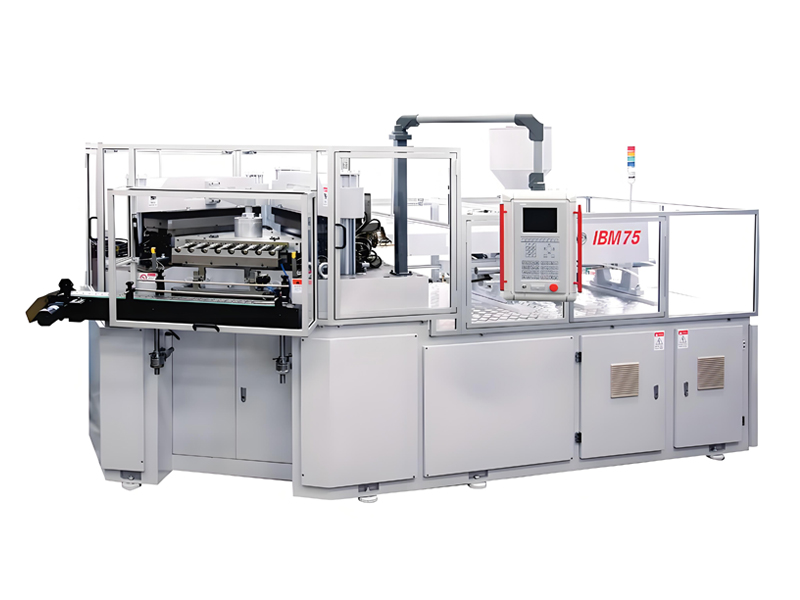
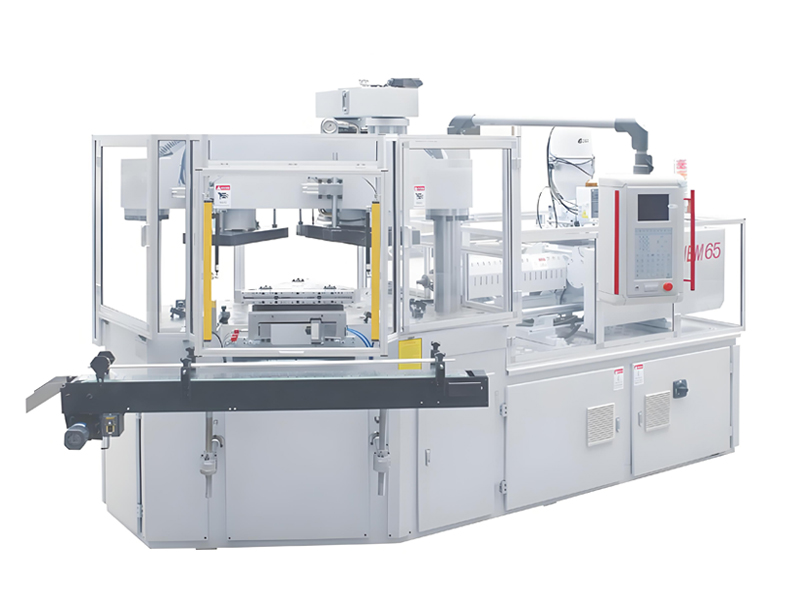
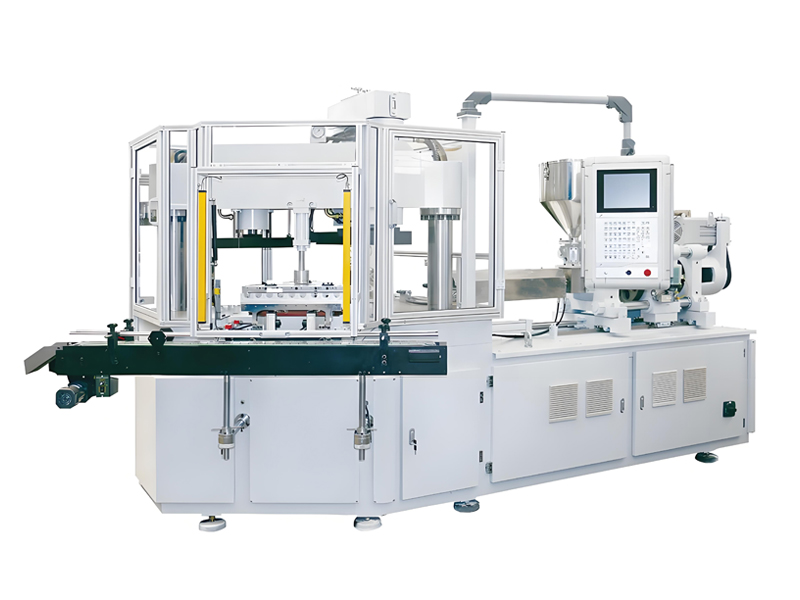
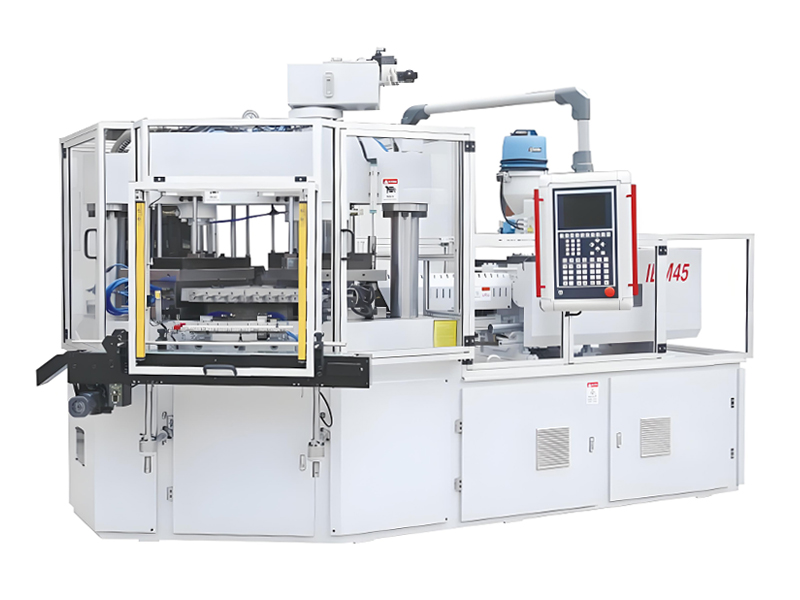
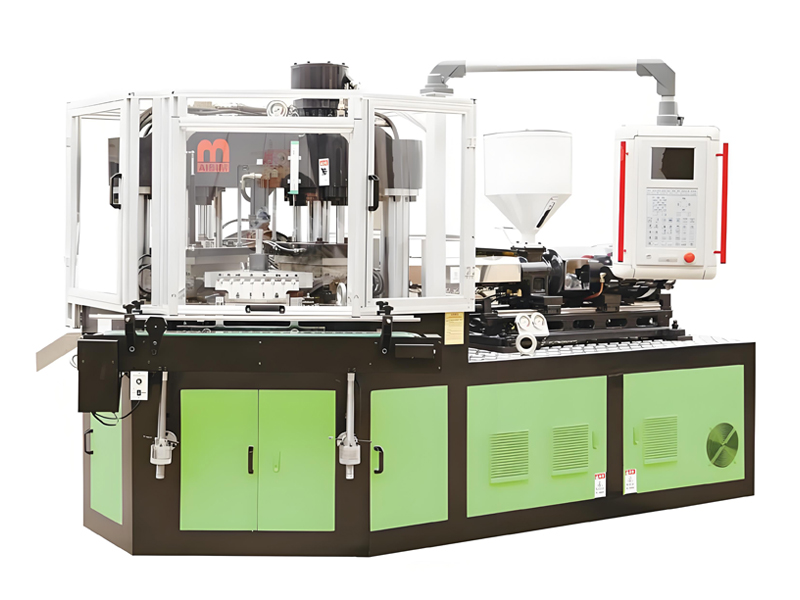
Proper installation is critical for the long-term performance and reliability of your AiBiM injection blow molding machine. This comprehensive guide walks you through each step of the installation process, ensuring your machine is set up correctly from the beginning.
Pre-Installation Planning and Preparation
Successful installation begins with thorough planning and site preparation. Rushing this phase can lead to delays, additional costs, and operational issues.
Site Assessment and Requirements
Evaluate your facility’s suitability for the machine, including floor space, ceiling height, power availability, compressed air supply, and environmental conditions. AiBiM provides detailed site requirement specifications for each machine model.
Foundation and Floor Preparation
Proper foundation is essential for machine stability and vibration control. Most AiBiM machines require a reinforced concrete foundation with specific load-bearing capacity. We provide foundation drawings and specifications for professional contractors.
Utility Requirements
Ensure adequate electrical power (voltage, phase, amperage), compressed air (pressure, flow rate, quality), and cooling water (temperature, pressure, flow). AiBiM machines have specific utility requirements that must be met for optimal performance and warranty validity.
Space Planning and Workflow
Plan material flow, product movement, and operator access. Consider space for raw material storage, finished product staging, maintenance access, and future expansion. AiBiM’s layout specialists can assist with optimal facility planning.
Machine Delivery and Receiving
Proper handling during delivery prevents damage and ensures all components arrive in good condition.
Delivery Coordination
Coordinate delivery timing with production schedules to minimize disruption. Ensure adequate space for unloading and temporary storage. AiBiM’s logistics team works with you to schedule delivery at the most convenient time.
Receiving Inspection
Inspect all crates and components for visible damage. Document any issues immediately and notify AiBiM. Keep all packaging materials until installation is complete in case of return requirements.
Component Storage and Protection
Store components in a clean, dry, temperature-controlled environment. Protect precision components from dust, moisture, and physical damage. AiBiM provides storage guidelines for different component types.
Step-by-Step Installation Process
Follow this systematic approach to ensure proper machine assembly.
Unpacking and Inventory Verification
Carefully unpack all components, verifying each item against the packing list. Organize components by assembly sequence to streamline installation. Keep small parts in labeled containers to prevent loss.
Foundation Installation and Leveling
Install anchor bolts or mounting plates according to foundation drawings. Use precision leveling tools to ensure the machine base is level within specified tolerances (typically 0.1mm/m). Proper leveling prevents frame distortion and ensures smooth operation.
Main Frame Assembly
Assemble the main machine frame using specified torque values for all bolts. Use proper lifting equipment and follow safety procedures. AiBiM’s installation manual provides detailed assembly instructions with torque specifications and sequence requirements.
Injection Unit Installation
Install the injection unit, aligning it precisely with the main frame. Connect hydraulic hoses, electrical cables, and cooling lines. Verify proper alignment of the screw and barrel before final tightening.
Blowing Station Assembly
Assemble the blowing station components, including blow molds, air manifold, and transfer mechanism. Ensure all moving parts operate smoothly and are properly lubricated. Verify alignment of the parison transfer system.
Clamping Unit Installation
Install the clamping unit with proper alignment to the injection and blowing stations. Adjust the toggle mechanism or hydraulic clamping system according to specifications. Test clamping force and verify safety interlocks function correctly.
Hydraulic System Installation
Install the hydraulic power unit, connecting all hydraulic lines with proper fittings. Bleed the system to remove air, and verify there are no leaks. Fill with the specified hydraulic fluid and filter according to AiBiM’s recommendations.
Electrical and Control System Installation
Install the electrical control panel, connecting all power and signal cables. Ensure proper grounding and follow all electrical codes. Install sensors, switches, and safety devices according to the electrical schematic.
Cooling System Installation
Connect cooling water lines to the barrel, mold, and hydraulic oil cooler. Verify proper flow rates and temperatures. Install water treatment equipment if required to prevent scale and corrosion.
Pneumatic System Installation
Install compressed air lines with proper filtration and regulation. Connect to all pneumatic cylinders, valves, and the blow air manifold. Test for leaks and verify proper air pressure at all points of use.
Initial Setup and Calibration
After mechanical installation, the machine requires precise calibration before operation.
Leveling and Alignment Verification
Re-check machine leveling after all components are installed and tightened. Verify alignment between injection unit, transfer mechanism, and blowing station using precision measurement tools.
Hydraulic System Calibration
Calibrate hydraulic pressure settings, flow rates, and valve timing. Verify that all hydraulic functions operate smoothly and at the correct speeds. Adjust proportional valves and servo systems according to specifications.
Temperature System Calibration
Calibrate all temperature controllers and verify actual temperatures at various points using calibrated thermometers. AiBiM machines feature multi-zone heating systems that require individual calibration for optimal performance.
Pneumatic Pressure Settings
Set and verify pneumatic pressures for all functions, including clamping, injection, blowing, and ejector systems. Install pressure gauges at critical points for ongoing monitoring.
Safety System Testing
Test all safety interlocks, emergency stops, and protective devices. Verify that the machine cannot operate with safety guards open or when personnel are in danger zones. AiBiM machines feature comprehensive safety systems that must function correctly before operation.
Commissioning and Testing
Commissioning verifies that the machine operates correctly and meets performance specifications.
Dry Run Testing
Conduct a dry run without material to verify all mechanical and electrical systems function correctly. Check for unusual noises, vibrations, or heating. Verify that all safety systems work as intended during this phase.
Material Loading and Preparation
Load the specified material into the hopper dryer and verify proper drying parameters. Check material flow and verify the feeding system operates correctly. AiBiM machines require properly prepared material to prevent processing issues.
First Shot and Parison Formation
Perform the first injection to form a parison. Verify complete filling, proper dimensions, and good surface quality. Adjust injection parameters as needed to achieve optimal parison formation.
Blowing and Product Formation
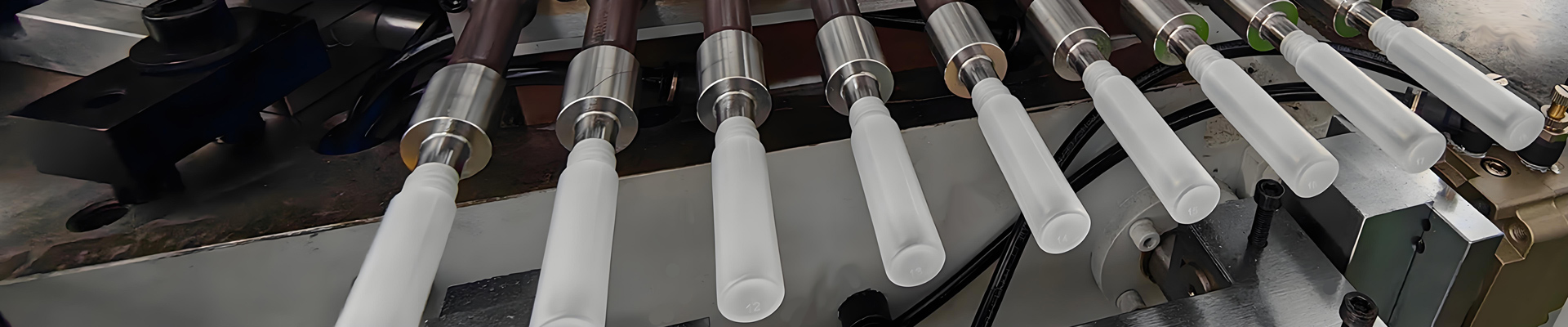
Transfer the parison to the blowing station and initiate the blowing cycle. Verify proper inflation, complete mold filling, and good product definition. Check wall thickness distribution and surface quality.
Ejection and Product Collection
Verify the ejection system functions correctly and products are collected without damage. Check for proper cooling and verify that products maintain their shape after ejection.
Cycle Time Optimization
Measure and optimize cycle time by adjusting various parameters. AiBiM machines feature fast cycle capabilities, but optimal settings depend on your specific product and material. Work with our engineers to find the best balance between speed and quality.
Quality Validation and Acceptance
Formal validation ensures the machine meets your requirements before full production begins.
Product Quality Testing
Test products for dimensional accuracy, wall thickness, clarity, and mechanical properties. Compare against your specifications and industry standards. AiBiM provides quality testing guidelines and can assist with validation procedures.
Performance Verification
Verify that the machine meets specified production rates, energy consumption targets, and quality standards. Document all performance metrics for your records and future reference.
Acceptance Sign-Off
Complete the formal acceptance process with AiBiM’s installation team. This includes reviewing all documentation, verifying warranty terms, and establishing ongoing support procedures. Both parties sign the acceptance certificate, marking the official start of the warranty period.
Operator Training During Installation
Installation is an ideal time for initial operator training.
Basic Operation Training
Train operators on machine controls, safety procedures, and basic operation. AiBiM’s installation team provides hands-on training during the commissioning phase, ensuring your team understands proper operation from day one.
Maintenance Procedures Training
Teach basic maintenance tasks like lubrication, filter replacement, and cleaning. Proper maintenance from the beginning extends machine life and prevents early problems. AiBiM provides detailed maintenance schedules and procedures.
Troubleshooting Basics
Introduce operators to common issues and their solutions. Understanding basic troubleshooting helps operators resolve minor problems quickly and know when to call for technical support. AiBiM’s troubleshooting guide is included in the machine documentation.
Documentation and Handover
Complete documentation ensures you have all information needed for operation and maintenance.
Technical Documentation Package
Receive complete technical documentation including operation manuals, maintenance schedules, electrical schematics, hydraulic diagrams, and parts lists. AiBiM provides digital and printed documentation in your preferred language.
As-Built Drawings and Specifications
Receive as-built drawings reflecting any modifications made during installation. These documents are essential for future maintenance, modifications, and troubleshooting. AiBiM maintains digital records of all machine configurations.
Warranty and Support Information
Review warranty terms, service contract options, and support procedures. Establish contact information for technical support, spare parts ordering, and emergency service. AiBiM provides warranty documentation and support contact details.
Common Installation Challenges and Solutions
Understanding potential challenges helps you prepare and respond effectively.
Utility Supply Issues
Inadequate power, compressed air, or cooling water are common installation challenges. Solution: Verify utility specifications early and conduct pre-installation testing. Have backup solutions like temporary compressors or chillers available if needed.
Component Alignment Problems
Misalignment can cause premature wear and quality issues. Solution: Use precision measurement tools and follow torque specifications strictly. AiBiM’s installation team uses laser alignment tools for critical components.
Electrical Interference
Electrical noise can affect control systems. Solution: Proper grounding, shielded cables, and separation of power and signal lines prevent interference. AiBiM’s electrical design minimizes susceptibility to interference.
Post-Installation Support
AiBiM’s support continues after installation is complete.
Initial Support Period
AiBiM provides intensive support during the first 30-90 days of operation. Our team is available for frequent check-ins, remote monitoring, and quick response to any issues. This period is critical for establishing smooth operation and addressing early challenges.
Remote Monitoring Setup
Set up remote monitoring capabilities to allow AiBiM’s support team to access machine data and diagnose issues remotely. This proactive approach can identify potential problems before they cause downtime.
Scheduled Follow-Up Visits
Schedule follow-up visits by AiBiM technicians to verify continued optimal performance and address any emerging issues. These visits typically occur at 3, 6, and 12 months after installation.
Maintenance Schedule Implementation
Establish a maintenance schedule immediately after installation.
Daily Maintenance Routine
Implement daily inspection and maintenance tasks including checking fluid levels, inspecting for leaks, testing safety interlocks, and cleaning the machine. AiBiM provides a detailed daily maintenance checklist.
Weekly and Monthly Maintenance
Schedule weekly and monthly maintenance tasks like lubrication, filter replacement, and component inspection. Keep a maintenance log to track all activities and identify patterns or potential issues.
Predictive Maintenance Setup
Set up predictive maintenance procedures using machine data and condition monitoring. AiBiM machines can track parameters like vibration, temperature, and pressure to predict potential failures before they occur.
Conclusion
Proper installation of your AiBiM injection blow molding machine is essential for achieving optimal performance, reliability, and longevity. This step-by-step guide provides the foundation for successful installation, but remember that AiBiM’s professional installation team is always available to assist. By following these procedures and working closely with our experts, you ensure your machine is set up correctly from day one, maximizing your investment and minimizing downtime. With proper installation and ongoing maintenance, your AiBiM machine will provide years of reliable service and help you achieve your production goals.