Introduction to Injection Blow Molding Machine Troubleshooting
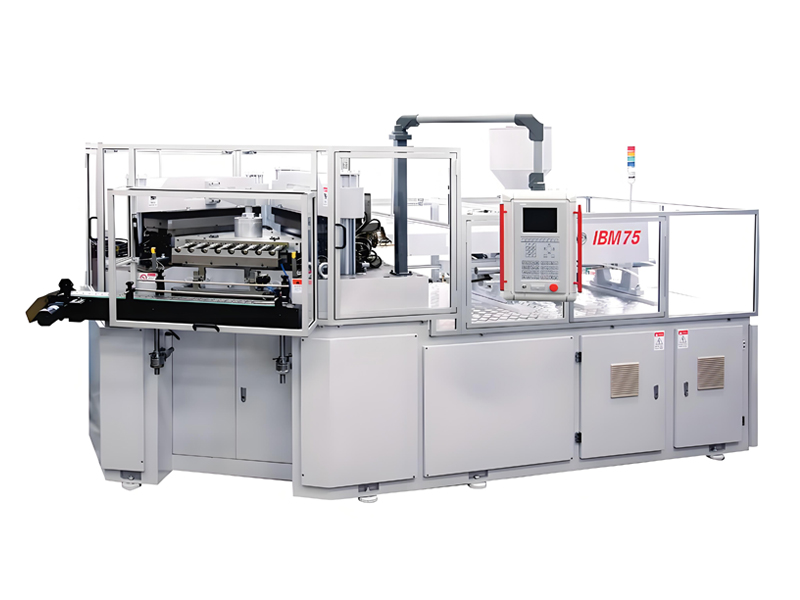
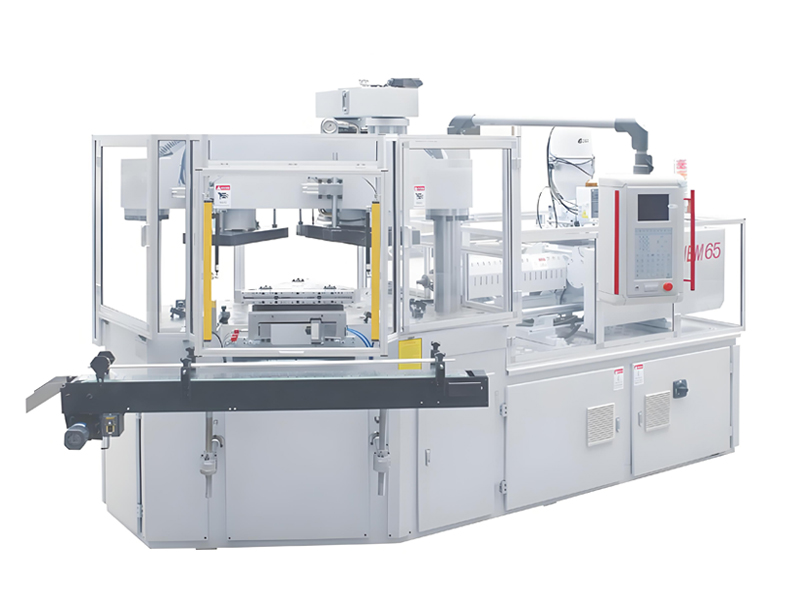
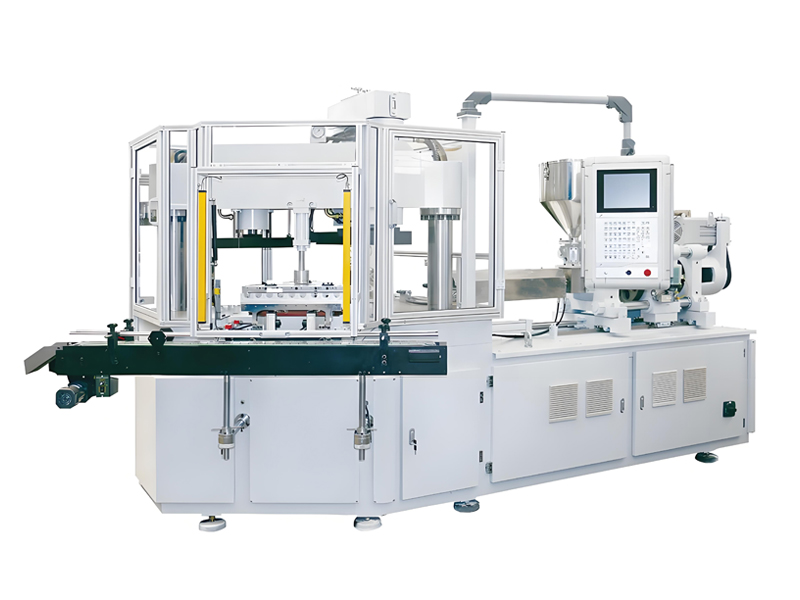
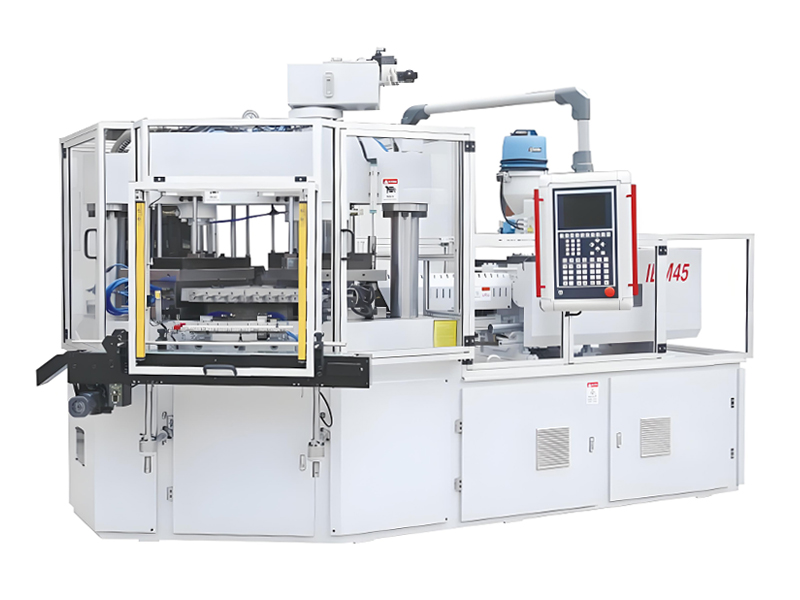
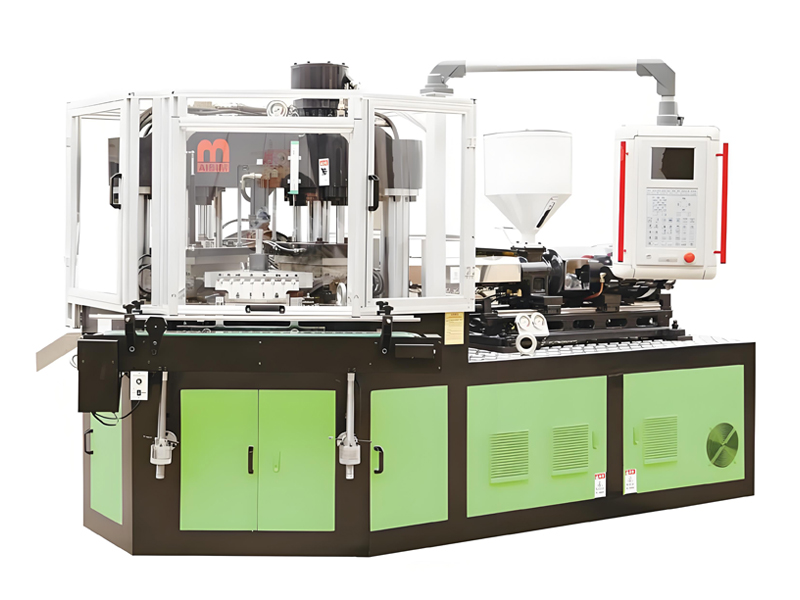
Injection blow molding machines are sophisticated manufacturing equipment used to produce high-quality hollow plastic products. When operating an AiBiM injection blow molding machine, understanding common troubleshooting procedures is essential for maintaining production efficiency and product quality. This comprehensive guide provides detailed solutions to the most frequent problems encountered in injection blow molding processes, specifically tailored for AiBiM machine operators and maintenance personnel.
Understanding the Injection Blow Molding Process
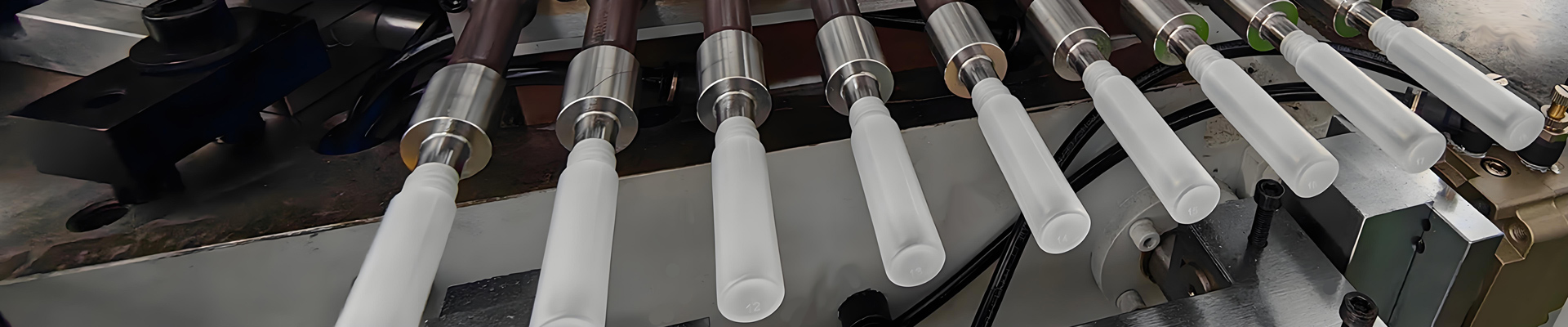
Before diving into specific troubleshooting techniques, it is crucial to understand the three-stage process of injection blow molding. The process begins with the injection stage where molten plastic is forced into a parison mold. Next, the parison is transferred to the blow molding station where it is inflated against the mold cavity. Finally, the product is cooled and ejected. Each stage presents unique potential issues that require specific diagnostic approaches.
Common Parison Defects and Solutions
Parison defects represent one of the most frequent challenges in injection blow molding operations. These defects can significantly impact final product quality and production efficiency. Understanding the root causes of parison problems is essential for implementing effective solutions.
Incomplete Filling of Parison
When the parison fails to fill completely, it results in uneven wall thickness and weak structural integrity. This issue typically stems from insufficient injection pressure, inadequate material temperature, or blocked venting channels. For AiBiM machines, operators should first verify that the injection pressure settings match the material specifications. The barrel temperature profile should be checked to ensure proper melting, with particular attention to the nozzle temperature which should be maintained within 5 degrees of the material’s recommended processing range.
Flash Formation on Parison
Excess material forming thin fins along the parting line, known as flash, indicates excessive injection pressure or worn mold components. AiBiM injection blow molding machines feature precision-machined molds, but over time, wear can occur. Operators should inspect the mold clamping force and reduce injection pressure incrementally until flash is eliminated while maintaining complete filling. If the problem persists, mold maintenance may be required, including resurfacing or replacing worn inserts.
Parison Surface Imperfections
Surface defects such as splay, silver streaks, or burn marks often indicate moisture contamination or material degradation. For AiBiM machines equipped with advanced drying systems, operators should verify that the hopper dryer is functioning correctly and that material residence time in the barrel does not exceed recommended limits. Checking the screw condition for signs of wear or improper compression ratio is also crucial for maintaining material integrity.
Blowing Stage Troubleshooting
The blowing stage is critical for achieving proper product formation and dimensional accuracy. Issues during this phase can lead to rejected products and increased cycle times. AiBiM machines incorporate sophisticated blowing control systems, but operators must understand how to diagnose and resolve common blowing problems.
Insufficient Blowing Pressure
When products fail to form properly or exhibit poor surface detail, insufficient blowing pressure is often the culprit. This can result from air leaks in the system, malfunctioning valves, or inadequate compressor capacity. AiBiM injection blow molding machines feature high-precision air control systems, but regular maintenance is essential. Operators should perform leak tests on all pneumatic connections and verify that the air pressure regulator is set to the recommended specification for the specific product being manufactured.
Uneven Wall Thickness
Variations in wall thickness can compromise product strength and functionality. This issue typically arises from improper parison temperature distribution or incorrect blow timing. AiBiM machines utilize advanced temperature control systems, but operators must ensure that the parison is heated uniformly before blowing. Adjusting the heating profile and optimizing the transfer time between injection and blowing stations can significantly improve wall thickness consistency.
Product Sticking in Mold
When finished products fail to eject properly, it can cause production delays and potential damage to the mold. This problem often results from inadequate cooling, improper draft angles, or surface contamination. For AiBiM machines, operators should verify that the cooling system is functioning at optimal capacity and that mold release agents are applied correctly. Checking the ejection system components for wear and ensuring proper alignment is also essential for reliable product release.
Mechanical System Troubleshooting
The mechanical components of an injection blow molding machine must operate in precise synchronization for optimal performance. Mechanical failures can lead to inconsistent production and potential safety hazards. Understanding common mechanical issues and their solutions is crucial for maintaining AiBiM equipment.
Hydraulic System Problems
Hydraulic systems power many critical functions in injection blow molding machines. Common issues include pressure fluctuations, overheating, and fluid contamination. AiBiM machines feature advanced hydraulic systems with filtration and cooling mechanisms, but regular maintenance is essential. Operators should monitor hydraulic fluid levels, check for leaks in hoses and fittings, and verify that the oil temperature remains within the recommended operating range. Replacing filters according to the maintenance schedule prevents contamination-related failures.
Clamping Unit Malfunctions
The clamping unit secures the mold during injection and blowing operations. Issues such as inadequate clamping force or inconsistent movement can lead to flash formation or mold damage. For AiBiM machines, operators should verify that the clamping pressure settings are appropriate for the mold size and product requirements. Checking the toggle mechanism or hydraulic clamping cylinders for wear and ensuring proper lubrication of moving parts helps maintain consistent performance.
Injection Unit Issues
The injection unit is responsible for melting and injecting plastic material into the parison mold. Common problems include inconsistent shot size, material degradation, and screw slippage. AiBiM injection units feature precision-machined screws and barrels with specialized designs for various materials. Operators should monitor the cushion position to ensure consistent shot size and verify that the screw check ring is functioning properly to prevent material backflow. Regular inspection of the screw and barrel for wear or corrosion is essential for maintaining performance.
Electrical and Control System Troubleshooting
Modern injection blow molding machines rely on sophisticated control systems to coordinate complex operations. Electrical issues can disrupt production and require specialized knowledge to diagnose and resolve. AiBiM machines incorporate advanced PLC-based control systems with user-friendly interfaces, but operators should understand basic troubleshooting procedures.
Sensor Failures
Position sensors, temperature sensors, and pressure transducers provide critical feedback to the control system. When these sensors fail or provide inaccurate readings, the machine may malfunction or shut down. AiBiM machines feature self-diagnostic capabilities that can identify sensor issues, but operators should also perform regular calibration checks. Cleaning sensor surfaces and verifying proper alignment ensures accurate readings and prevents false error signals.
Heater Band Failures
Heater bands maintain precise temperature control throughout the injection and blowing processes. When heater bands fail, temperature instability can lead to poor product quality. AiBiM machines utilize high-quality heater bands with thermal protection, but operators should monitor temperature displays for fluctuations and verify that all heater zones are functioning. Replacing failed heater bands promptly and checking electrical connections prevents more serious temperature control issues.
Control System Errors
PLC and HMI systems may display error codes indicating various operational problems. Understanding these codes is essential for quick troubleshooting. AiBiM machines come with comprehensive documentation of error codes and their meanings. Operators should consult the manual to interpret specific error messages and follow recommended corrective actions. Common control system issues often relate to safety interlocks, emergency stops, or communication errors between system components.
Material-Related Troubleshooting
Material properties and behavior significantly influence injection blow molding performance. Different materials present unique challenges that require specific troubleshooting approaches. AiBiM machines are designed to process a wide range of materials, but operators must understand material-specific considerations.
PET Material Challenges
Polyethylene terephthalate (PET) is commonly used for beverage containers and requires precise temperature control and rapid cooling. Common issues with PET include haze formation, poor clarity, and excessive crystallization. AiBiM machines feature specialized PET processing capabilities with optimized heating and cooling systems. Operators should maintain strict control over material drying, as PET is highly hygroscopic, and verify that the mold temperature is sufficient to prevent premature freezing of the parison.
PP and PE Material Issues
Polypropylene (PP) and polyethylene (PE) are versatile materials with different flow characteristics and cooling requirements. PP tends to have higher shrinkage rates, while PE may exhibit warping if cooling is uneven. AiBiM machines can be configured with different screw designs and cooling systems optimized for these materials. Operators should adjust processing parameters based on the specific material grade, including melt temperature, injection speed, and cooling time. Proper material preparation, including drying when necessary, is essential for consistent results.
Material Degradation Prevention
Thermal and mechanical degradation can compromise material properties and product quality. Signs of degradation include discoloration, reduced strength, and unpleasant odors. AiBiM machines incorporate features to minimize degradation, such as optimized screw designs and temperature control systems. Operators should monitor material residence time, avoid excessive temperatures, and ensure proper venting to remove volatile compounds. Regular cleaning of the injection unit prevents material buildup that can degrade and contaminate subsequent shots.
Preventive Maintenance Strategies
Implementing a comprehensive preventive maintenance program is the most effective way to minimize downtime and troubleshooting needs. AiBiM injection blow molding machines are designed for reliability, but regular maintenance is essential for sustained performance.
Daily Maintenance Procedures
Daily inspection and maintenance tasks form the foundation of equipment reliability. Operators should check hydraulic fluid levels, inspect for leaks, verify heater functionality, and test safety interlocks. Cleaning the machine surfaces and removing material buildup prevents contamination and improves heat transfer. Documenting daily maintenance activities helps track equipment condition and identify potential issues before they become serious problems.
Weekly and Monthly Maintenance
More detailed maintenance tasks should be performed on a weekly and monthly basis. These include lubricating moving parts, inspecting electrical connections, cleaning filters, and calibrating sensors. AiBiM machines feature easy-access maintenance points designed to simplify these procedures. Checking the condition of seals, gaskets, and hoses prevents unexpected failures and maintains system integrity. Creating a maintenance schedule based on machine usage hours ensures consistent care regardless of production demands.
Scheduled Component Replacement
Certain components have predictable service lives and should be replaced proactively. These include heater bands, seals, filters, and wear parts in the injection and clamping units. AiBiM provides recommended replacement intervals based on extensive testing and field experience. Maintaining an inventory of critical spare parts minimizes downtime when replacements are needed. Documenting component replacement history helps optimize maintenance schedules and predict future requirements.
Advanced Diagnostic Techniques
For complex or intermittent problems, advanced diagnostic techniques may be necessary. AiBiM machines incorporate features that facilitate detailed analysis of machine performance and process parameters.
Process Monitoring Systems
Modern AiBiM injection blow molding machines include sophisticated process monitoring capabilities. These systems track critical parameters in real-time and can identify trends that indicate potential problems. Operators should familiarize themselves with the monitoring interface and set up alarms for key parameters such as injection pressure, blowing pressure, and cycle time. Analyzing historical data helps identify patterns and optimize process settings for improved efficiency and quality.
Thermal Imaging Analysis
Thermal imaging cameras can reveal temperature variations that are not apparent through standard monitoring systems. This technique is particularly useful for identifying heater band failures, cooling system inefficiencies, and thermal imbalances in the mold. AiBiM machines can be equipped with thermal monitoring options, or portable thermal cameras can be used for periodic inspections. Thermal analysis helps optimize heating and cooling profiles, reducing cycle times and improving product consistency.
Vibration Analysis
Excessive vibration can indicate mechanical problems such as bearing wear, misalignment, or imbalance. Portable vibration analysis tools can detect issues before they cause catastrophic failure. AiBiM machines are designed with vibration-dampening features, but regular analysis helps identify developing problems. Monitoring vibration levels at key points on the machine provides early warning of potential failures, allowing for scheduled maintenance rather than emergency repairs.
Troubleshooting Specific AiBiM Machine Models
Different AiBiM injection blow molding machine models may have unique features and troubleshooting considerations. Understanding model-specific characteristics ensures effective problem resolution.
AiBiM Series 100 Troubleshooting
The AiBiM Series 100 is designed for small to medium-sized container production. Common issues specific to this model include parison transfer timing problems and injection unit heating inconsistencies. Operators should verify that the transfer mechanism is properly synchronized and that the injection unit’s heater bands are functioning uniformly. The Series 100 features a compact design that requires special attention to cooling system maintenance, as restricted airflow can lead to overheating in high-temperature environments.
AiBiM Series 200 Troubleshooting
The AiBiM Series 200 is a mid-range machine suitable for a wide variety of applications. This model may experience issues with the blowing station’s air distribution system, particularly when producing complex shapes. Operators should inspect the air manifold for blockages and verify that individual blow needles are functioning correctly. The Series 200’s advanced control system offers detailed diagnostics, but operators must understand how to navigate the interface to access specific troubleshooting information for different subsystems.
AiBiM Series 300 Troubleshooting
The AiBiM Series 300 is a high-capacity machine designed for large-scale production. Common troubleshooting challenges include maintaining consistent quality over extended production runs and managing the increased complexity of the hydraulic and pneumatic systems. Operators should pay particular attention to the mold temperature control system, as larger molds require more sophisticated cooling strategies. The Series 300 features predictive maintenance capabilities that can alert operators to potential issues before they affect production, but proper interpretation of these alerts requires training and experience.
Safety Considerations During Troubleshooting
Safety must always be the primary concern when troubleshooting injection blow molding machines. AiBiM machines incorporate multiple safety features, but operators must follow proper procedures to prevent accidents.
Lockout/Tagout Procedures
Before performing any maintenance or troubleshooting that requires access to moving parts or electrical components, proper lockout/tagout procedures must be followed. This ensures that the machine cannot be accidentally energized while work is being performed. AiBiM machines are equipped with lockout points for electrical, hydraulic, and pneumatic systems. Operators should be trained in proper lockout/tagout techniques and verify that all energy sources are isolated before beginning work.
Personal Protective Equipment
Appropriate personal protective equipment (PPE) must be worn when troubleshooting injection blow molding machines. This includes safety glasses, hearing protection, heat-resistant gloves, and steel-toed boots. When working with hydraulic systems, face protection may be necessary due to the risk of fluid injection injuries. AiBiM provides detailed PPE recommendations for different troubleshooting scenarios, and operators should ensure that all required equipment is available and in good condition.
Emergency Procedures
Understanding emergency procedures is essential for responding to unexpected situations during troubleshooting. AiBiM machines feature emergency stop buttons strategically located for quick access. Operators should know the location of fire extinguishers, first aid kits, and emergency exits. In the event of a hydraulic fluid leak or electrical fire, specific procedures must be followed to minimize risk. Regular emergency drills help ensure that all personnel know how to respond appropriately to different types of emergencies.
Documentation and Record Keeping
Maintaining comprehensive records of troubleshooting activities is essential for continuous improvement and knowledge transfer. Proper documentation helps identify recurring problems, track maintenance history, and optimize machine performance.
Troubleshooting Logs
Each troubleshooting session should be documented in detail, including the problem description, diagnostic steps taken, corrective actions implemented, and the outcome. AiBiM machines can generate automatic logs of error codes and process parameters, but manual documentation of observations and decisions is also valuable. These logs help identify patterns and develop standardized troubleshooting procedures for common problems. Regular review of troubleshooting logs can reveal opportunities for process improvement and preventive maintenance.
Maintenance Records
Comprehensive maintenance records track all service activities, including routine maintenance, component replacements, and repairs. These records should include dates, descriptions of work performed, parts used, and the personnel involved. AiBiM machines feature maintenance tracking software that can generate reports and reminders for upcoming service tasks. Proper maintenance records help predict component failures, optimize spare parts inventory, and provide documentation for warranty claims and regulatory compliance.
Process Parameter Documentation
Documenting optimal process parameters for different products and materials is essential for consistent production. AiBiM machines allow operators to save and recall process recipes, but maintaining a master record of validated parameters is important. This documentation should include material specifications, temperature settings, pressure values, timing parameters, and quality control results. When troubleshooting, comparing current parameters to documented optimal values helps identify deviations that may be causing problems. Process parameter documentation also facilitates training of new operators and ensures consistency across shifts.
Training and Skill Development
Effective troubleshooting requires knowledgeable and skilled personnel. AiBiM offers comprehensive training programs to ensure that operators and maintenance personnel have the necessary expertise to diagnose and resolve problems efficiently.
Operator Training Programs
AiBiM provides structured training programs for machine operators, covering basic operation, routine maintenance, and common troubleshooting procedures. These programs combine classroom instruction with hands-on practice using actual equipment. Operators learn to recognize early warning signs of potential problems and implement preventive measures. Regular refresher training ensures that skills remain current and incorporates updates based on field experience and technological advancements. Training also emphasizes safety procedures and proper documentation practices.
Maintenance Technician Certification
Advanced troubleshooting and maintenance tasks require specialized knowledge and skills. AiBiM offers certification programs for maintenance technicians, covering hydraulic systems, electrical systems, and advanced diagnostics. These programs include both theoretical and practical components, with technicians demonstrating proficiency in diagnosing and repairing complex problems. Certified technicians receive ongoing training to stay current with new technologies and techniques. This investment in human capital ensures that AiBiM machines receive expert care throughout their service life.
Remote Training and Support
AiBiM’s global technical support network includes remote training capabilities using advanced communication technologies. Operators and maintenance personnel can receive real-time guidance from AiBiM experts without the need for on-site visits. Remote training sessions can cover specific troubleshooting scenarios, demonstrate advanced features, and provide updates on best practices. This approach reduces downtime and travel costs while ensuring that personnel have access to expert knowledge when needed. Remote support also facilitates knowledge sharing across different facilities and regions.
Common Mistakes in Troubleshooting
Even experienced personnel can make mistakes during troubleshooting that prolong downtime or cause additional problems. Awareness of common pitfalls helps avoid these errors and ensures more efficient problem resolution.
Replacing Parts Without Proper Diagnosis
One of the most common mistakes is replacing components without thoroughly diagnosing the root cause of the problem. This approach may temporarily resolve symptoms but fails to address underlying issues, leading to repeated failures. AiBiM machines feature advanced diagnostic capabilities that should be fully utilized before replacing parts. A systematic troubleshooting approach that isolates the problem through testing and verification prevents unnecessary part replacements and reduces maintenance costs.
Ignoring Manufacturer Specifications
Deviating from AiBiM’s recommended specifications and procedures can lead to suboptimal performance and potential damage. Operators may be tempted to adjust parameters beyond recommended ranges to solve problems quickly, but this often creates new issues. AiBiM provides detailed documentation of specifications for all machine components and processes. Following these guidelines ensures reliable operation and maintains warranty coverage. When modifications are necessary, they should be validated through proper testing and documented for future reference.
Poor Communication During Troubleshooting
Effective troubleshooting often requires collaboration between multiple personnel, including operators, maintenance technicians, and engineers. Poor communication can lead to misunderstandings, duplicated efforts, and potential safety hazards. AiBiM recommends establishing clear communication protocols for troubleshooting activities, including regular status updates, defined roles and responsibilities, and proper handoff procedures. Documentation of all communications ensures that everyone involved has access to the same information and can contribute effectively to problem resolution.
When to Contact AiBiM Technical Support
While many problems can be resolved by on-site personnel, certain situations require escalation to AiBiM’s technical support team. Knowing when to seek expert assistance ensures timely resolution and prevents escalation of problems.
Complex Electrical and Control Issues
Problems involving the PLC, HMI, servo systems, or complex electrical circuits often require specialized knowledge and diagnostic tools. AiBiM’s technical support team has access to advanced diagnostic software and detailed schematics that may not be available on-site. When troubleshooting electrical issues, operators should document error codes, symptoms, and any troubleshooting steps already taken before contacting support. This information enables the support team to provide more targeted assistance and reduces resolution time.
Recurring Problems Despite Troubleshooting
When problems persist despite following standard troubleshooting procedures, it indicates a more complex issue that may require deeper analysis or specialized intervention. AiBiM’s technical support team can review maintenance records, process data, and machine configuration to identify underlying causes. They may recommend additional tests, modifications, or upgrades to resolve recurring issues. Documenting all troubleshooting attempts and their outcomes is essential when escalating problems to ensure that the support team has complete information for analysis.
Warranty and Service Agreement Issues
For machines under warranty or service agreement, certain troubleshooting and repair activities should be performed or authorized by AiBiM to maintain coverage. Operators should consult the warranty terms and service agreements before performing major repairs or modifications. AiBiM’s technical support team can provide guidance on warranty-compliant troubleshooting and repair procedures, ensuring that service activities are documented properly and warranty coverage is maintained.
Conclusion
Effective troubleshooting of injection blow molding machines requires a combination of knowledge, experience, and systematic approach. AiBiM injection blow molding machines are designed with features that facilitate troubleshooting and maintenance, but success ultimately depends on well-trained personnel following proper procedures. By understanding common problems, implementing preventive maintenance, and knowing when to seek expert assistance, operators can minimize downtime and maintain optimal machine performance. AiBiM’s comprehensive support network, including training programs, technical documentation, and global service capabilities, ensures that customers have the resources needed to keep their equipment running efficiently. Remember that proper documentation, safety awareness, and adherence to manufacturer specifications are essential for successful troubleshooting and long-term equipment reliability.