The global injection blow molding industry has witnessed a transformative shift toward sustainable manufacturing practices, with eco-friendly raw materials emerging as a critical focus for forward-thinking manufacturers worldwide. China has positioned itself as a leading producer of injection blow molding machines that effectively process environmentally friendly materials, supporting the global transition to more sustainable packaging solutions. This comprehensive guide explores the intersection of Chinese injection blow molding technology and eco-friendly material processing, providing manufacturers with the knowledge needed to navigate this evolving landscape successfully. From biodegradable polymers to recycled materials, understanding the compatibility of injection blow molding machines with sustainable materials has become essential knowledge for manufacturers seeking to remain competitive in environmentally conscious markets.
Eco-Friendly Materials Overview
The spectrum of eco-friendly materials available for injection blow molding applications has expanded dramatically in recent years, driven by technological advances, regulatory requirements, and growing consumer demand for sustainable packaging solutions. Understanding the different categories of eco-friendly materials and their processing requirements is essential for manufacturers seeking to incorporate these materials into their production operations. The transition from traditional petroleum-based plastics to more sustainable alternatives presents both challenges and opportunities for injection blow molding machine operators and equipment manufacturers alike.
Biodegradable and Compostable Polymers
Biodegradable and compostable polymers represent the most rapidly evolving segment of the eco-friendly materials market, offering the potential for reduced environmental impact when properly managed. Polylactic acid (PLA), derived from renewable resources such as corn starch or sugarcane, has emerged as the most widely used biodegradable polymer for packaging applications. PLA offers good clarity and processing characteristics suitable for injection blow molding while providing the marketing advantage of being derived from renewable resources. However, PLA has limitations including lower heat resistance and barrier properties compared to traditional plastics, which must be considered when selecting applications for this material. The processing temperature requirements for PLA differ from conventional plastics, requiring machine adaptations for optimal results.
Polyhydroxyalkanoates (PHAs) represent another family of biodegradable polymers gaining attention for injection blow molding applications. PHAs are produced through bacterial fermentation of renewable feedstocks and offer properties that more closely resemble traditional petroleum-based plastics compared to PLA. The mechanical properties and barrier characteristics of PHAs make them suitable for a wider range of applications, including some food packaging uses that PLA cannot adequately serve. However, PHAs currently face challenges including higher production costs and limited commercial availability compared to more established biodegradable options. As production processes mature and scale improves, PHAs may become increasingly viable options for injection blow molding applications requiring biodegradable materials with performance characteristics approaching conventional plastics.
Starch-based biodegradable polymers blend starch with biodegradable synthetic polymers to create materials that offer improved processing characteristics compared to pure starch formulations. These materials typically require higher moisture content control during processing, as excessive moisture can cause quality issues. Processing starch-based materials requires attention to drying conditions, temperature profiles, and screw design optimization. The environmental benefits of starch-based materials are offset somewhat by the need for synthetic polymer components to achieve adequate performance characteristics, making them a transitional solution rather than a fully biodegradable option. Nevertheless, starch-based materials may offer cost advantages compared to fully biodegradable alternatives for applications that can accommodate their performance limitations.
Recycled Material Applications
Recycled materials represent an increasingly important component of eco-friendly injection blow molding operations, providing environmental benefits while often offering cost advantages compared to virgin materials. Post-consumer recycled (PCR) materials are derived from plastic products that have served their intended use and been recovered through recycling collection programs. The quality and consistency of PCR materials vary significantly based on collection practices, sorting effectiveness, and processing technology. Higher-quality PCR materials suitable for injection blow molding typically require additional processing steps including cleaning, decontamination, and blending to achieve consistent properties suitable for production. The market for PCR materials has developed substantially as brand owners commit to incorporating recycled content in their packaging, creating steady demand that supports increased investment in recycling infrastructure.
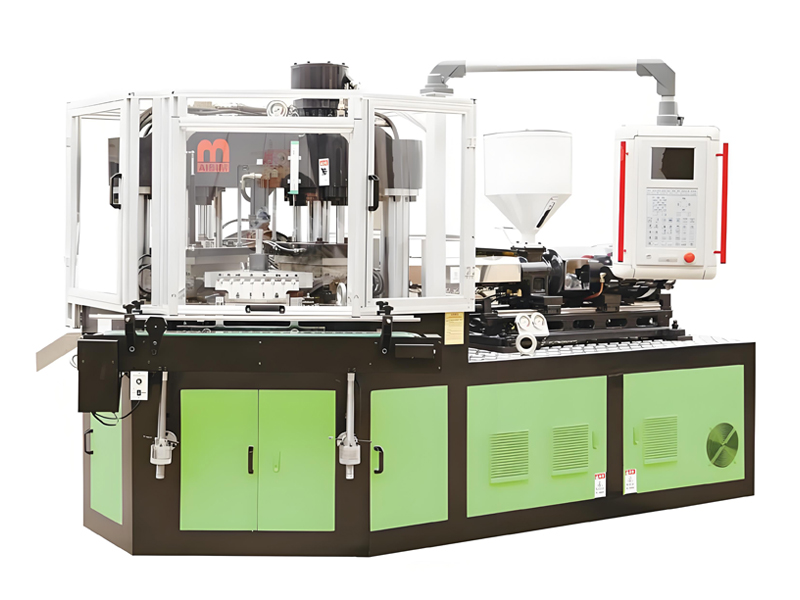
Post-industrial recycled (PIR) materials originate from manufacturing processes such as sprues, runners, and rejected parts that have not reached consumer markets. PIR materials generally offer higher quality and consistency compared to PCR materials because their origin and composition are known and controlled. Manufacturing operations that generate consistent scrap streams can process this material internally through grinding and reprocessing operations, achieving cost savings while maintaining control over material quality. AiBiM machines are designed to effectively process recycled materials, helping manufacturers reduce waste and improve sustainability while maintaining product quality. The processing characteristics of recycled materials may differ slightly from virgin equivalents, requiring adjustments to processing parameters and quality control procedures.
Material blends combining recycled and virgin materials represent a practical approach to incorporating sustainability while maintaining product quality. Typical blend ratios range from 25% to 75% recycled content, depending on the application and the quality of available recycled materials. Processing blended materials requires attention to the potential for variations in material properties that could affect product quality and consistency. Maintaining strict material specifications and monitoring material properties helps ensure consistent product quality when working with recycled content. The growing availability of high-quality recycled materials makes incorporating recycled content increasingly viable for injection blow molding operations across diverse application categories.
AiBiM Machine Material Compatibility
AiBiM has developed its injection blow molding machines with careful attention to material compatibility across a broad spectrum of conventional and eco-friendly materials. The company’s equipment has been engineered to process materials ranging from commodity polyolefins to engineering plastics and sustainable alternatives. This comprehensive material compatibility enables manufacturers to select the most appropriate materials for their applications while maintaining production efficiency and product quality. Understanding AiBiM’s material processing capabilities helps manufacturers make informed decisions about equipment selection and material strategies.
Standard Material Processing Capabilities
AiBiM machines support processing of the full range of standard injection blow molding materials, including HDPE, LDPE, LLDPE, PP, PS, ABS, SAN, TPU, PC, and PCTG. This broad material compatibility provides flexibility for manufacturers serving diverse market segments and applications. Each material family requires specific processing characteristics that AiBiM machines deliver through precise temperature control, appropriate screw geometry, and adaptable process parameters. The machine’s control systems enable operators to store multiple processing recipes, facilitating efficient changeovers between different materials and products. This flexibility is particularly valuable for manufacturers serving multiple market segments or those transitioning between conventional and eco-friendly materials as their sustainability strategies evolve.
The hybrid electric drive system employed in AiBiM machines provides excellent control over injection speed, pressure, and other critical processing parameters that vary by material type. This precise control is essential when processing materials with different viscosity characteristics, melting behaviors, and cooling requirements. The robust clamping system ensures proper mold closure throughout the injection and blowing cycles regardless of material viscosity and injection pressure requirements. Comprehensive temperature control throughout the barrel, nozzle, and mold systems enables optimal processing conditions for each material type, contributing to consistent product quality across diverse material portfolios.
Eco-Friendly Material Adaptations
AiBiM has developed specific adaptations to enhance processing of eco-friendly materials that may have different processing requirements compared to conventional plastics. Temperature control systems have been optimized for biodegradable materials that may have narrower processing windows and be more sensitive to temperature excursions. Screw designs incorporate geometries that provide appropriate shear and mixing for materials with different rheological characteristics. The energy-efficient design of AiBiM machines is particularly beneficial when processing eco-friendly materials, as these materials often require more precise temperature control and may be more sensitive to thermal degradation that could increase with inconsistent heating.
Moisture control systems help address the greater moisture sensitivity of many biodegradable materials, particularly PLA and starch-based polymers. Proper drying conditions are essential for achieving consistent product quality when processing moisture-sensitive materials, as excessive moisture can cause splay, bubbles, and other surface defects. The modular design of AiBiM equipment allows for the incorporation of auxiliary equipment such as dryers, filters, and conveyors that support eco-friendly material processing. Working with AiBiM’s technical team enables manufacturers to develop optimized processing strategies for specific eco-friendly materials, maximizing the potential for successful implementation of sustainable material initiatives.
Sustainable Production Practices
Implementing sustainable production practices extends beyond material selection to encompass the entire manufacturing operation. Injection blow molding facilities committed to sustainability must address energy efficiency, waste reduction, and environmental impact across all aspects of their operations. This comprehensive approach to sustainability delivers environmental benefits while often reducing operating costs and improving competitiveness. Leading Chinese injection blow molding manufacturers including AiBiM have developed equipment and practices that support sustainable production throughout the manufacturing process.
Energy Efficiency and Resource Optimization
Energy efficiency represents a critical component of sustainable injection blow molding operations. The hybrid electric drive systems employed in AiBiM machines deliver energy savings of up to 35% compared to traditional hydraulic equipment, significantly reducing the environmental footprint of production operations. Variable frequency drives on motors and pumps optimize energy consumption based on actual demand, avoiding the energy waste associated with continuously operating at full power. Advanced thermal management systems minimize heat loss from barrels and molds, reducing the energy required to maintain optimal processing temperatures. Insulation of heating elements, optimization of cooling systems, and recovery of waste heat all contribute to improved energy efficiency in injection blow molding operations.
Material optimization strategies minimize waste and maximize the value obtained from raw material resources. Proper process control reduces scrap rates by maintaining consistent quality throughout production runs. Efficient mold design and processing parameters minimize sprue and runner volumes, reducing the waste material that must be recycled or disposed of. In-house recycling capabilities enable manufacturers to recover value from production scrap by grinding and reprocessing sprues, runners, and rejected parts. AiBiM machines are designed to accommodate recycled materials, supporting closed-loop material recovery within manufacturing facilities. The combination of efficient equipment and optimized processing practices helps manufacturers minimize material waste while maximizing the use of purchased materials for finished products.
Waste Reduction and Circular Economy Approaches
Waste reduction strategies address multiple forms of waste that may occur in injection blow molding operations. Production waste from defective products and process scrap can be reduced through improved process control and quality assurance practices. Packaging waste can be minimized by implementing efficient packaging systems and collaborating with customers to develop reusable containers where feasible. Maintenance waste from worn components and lubricants can be reduced through proper equipment maintenance and the selection of long-life components. Water consumption in operations that require water cooling can be optimized through closed-loop cooling systems that minimize water usage and treatment requirements.
Circular economy approaches go beyond waste reduction to design systems where materials and products are kept in use for as long as possible, extracting maximum value before recovery and regeneration. Designing products for durability, reusability, and recyclability extends product lifetimes and supports circular material flows. Implementing take-back programs for used products enables manufacturers to recover materials for recycling rather than relying on public collection systems. Collaboration with suppliers, customers, and recycling partners creates integrated value chains that support circular material flows. Chinese injection blow molding manufacturers are increasingly adopting circular economy principles, recognizing that these approaches align with both environmental objectives and long-term business sustainability.
Cost Analysis of Eco-Friendly Materials
The cost structure of eco-friendly materials differs significantly from conventional plastics, requiring manufacturers to develop pricing strategies and production processes that accommodate these differences. While sustainable materials often carry higher raw material costs, the total cost of ownership must consider factors including brand positioning, market demand, regulatory compliance, and consumer preferences. Understanding the economic implications of eco-friendly materials helps manufacturers make informed decisions about material selection and market positioning.
Material Price Comparison
Biodegradable materials including PLA and PHAs typically carry material costs 1.5 to 3 times higher than conventional commodity plastics such as HDPE and PP. PLA material costs currently range from $1.80 to $2.50 per pound compared to HDPE costs of $0.90 to $1.20 per pound, representing a significant cost premium for biodegradable alternatives. PHAs are more expensive than PLA, with prices ranging from $3.00 to $5.00 per pound, limiting their use to applications where their superior properties justify the additional cost. These higher material costs directly impact production costs and must be reflected in product pricing or absorbed through reduced profit margins unless other factors offset the cost difference.
Recycled materials often offer cost advantages compared to virgin materials, with post-consumer recycled HDPE typically priced 20% to 40% below virgin equivalents. The pricing of recycled materials depends on quality, availability, and the extent of processing required to achieve specifications suitable for injection blow molding applications. High-quality PCR materials suitable for demanding applications may approach or exceed virgin material prices, particularly when supply is limited and demand is high. Post-industrial recycled materials offer the most favorable economics, often priced 30% to 50% below virgin materials while providing quality characteristics equivalent to virgin equivalents. Blends combining recycled and virgin materials offer cost benefits that scale with the proportion of recycled content, providing a graduated approach to incorporating recycled content.
Processing Cost Considerations
Processing eco-friendly materials may require adjustments that affect total production costs beyond raw material prices. Some biodegradable materials require more precise drying conditions and more careful temperature control, potentially increasing energy consumption. The narrower processing windows of certain materials may increase scrap rates during process optimization periods, reducing material yield. Material changeovers between conventional and biodegradable materials may require extended purging and cleaning procedures, reducing productive uptime. These processing cost factors must be considered when evaluating the total cost of implementing eco-friendly materials in production operations.
Conversely, certain eco-friendly materials may offer processing cost advantages that partially offset higher material costs. Some biodegradable materials have lower melting points than conventional plastics, reducing energy requirements for heating. The generally lower density of biodegradable materials means that parts weigh less for equivalent volumes, reducing material consumption per unit. The combination of material density differences and processing characteristics can reduce energy consumption, potentially offsetting some of the raw material cost premium. A comprehensive analysis considering all relevant cost factors is necessary for accurate comparison of total production costs between conventional and eco-friendly material options.
Performance Comparison: Traditional vs Eco-Friendly
Understanding the performance differences between traditional petroleum-based plastics and eco-friendly alternatives is essential for making informed material selection decisions. Performance considerations include mechanical properties, barrier characteristics, thermal stability, and processing behavior. The performance gap between conventional and eco-friendly materials continues to narrow as material technologies advance, but significant differences remain that influence appropriate application selection and market positioning.
Mechanical Properties Comparison
Conventional plastics such as HDPE and PP have been optimized over decades of development to deliver excellent mechanical properties for packaging applications. HDPE provides excellent stiffness, strength, and impact resistance, making it suitable for applications requiring robust containers that can withstand rough handling. PP offers good flexibility, fatigue resistance, and temperature resistance, enabling use in applications involving repeated opening and closing or exposure to elevated temperatures. These proven mechanical characteristics make conventional plastics the default choice for many applications where performance requirements are demanding and well understood.
Biodegradable materials generally exhibit mechanical properties that are inferior to their conventional counterparts, though the gap continues to narrow as materials improve. PLA offers good clarity and stiffness but lower impact resistance compared to PP, limiting its use in applications requiring drop resistance or repeated flexing. PHAs provide mechanical properties that more closely approximate conventional plastics, but currently face cost and availability limitations that constrain widespread adoption. Starch-based materials offer poor moisture resistance and mechanical properties that restrict their use to limited applications or require blending with synthetic polymers to achieve adequate performance. The selection of eco-friendly materials for specific applications must carefully consider the performance requirements and verify that the selected materials can meet these requirements throughout their intended use.
Barrier Properties and Shelf Life
Barrier properties that protect contents from environmental factors including oxygen, moisture, and light are critical considerations for packaging applications. Conventional plastics have been engineered with various additives and co-extrusion technologies to optimize barrier properties for specific applications. HDPE offers excellent moisture barrier properties but relatively poor oxygen barrier performance, making it suitable for products sensitive to moisture but not requiring oxygen exclusion. PP provides moderate barrier properties for both moisture and oxygen, offering balanced performance for many food packaging applications. EVOH and other specialty barrier materials can be incorporated through co-extrusion or lamination to achieve enhanced barrier performance where required.
Biodegradable materials generally have poorer barrier properties compared to conventional plastics, which limits their use in applications requiring extended shelf life. PLA offers moderate barrier properties but performs particularly poorly at elevated temperatures and high humidity conditions, limiting its use in applications with demanding storage requirements. PHAs offer better barrier properties than PLA but still generally fall short of conventional plastics, particularly for oxygen-sensitive products. The shorter shelf life of products packaged in biodegradable materials must be considered when evaluating material suitability, as reduced shelf life can increase food waste and environmental impact despite the use of more sustainable packaging materials. Ongoing material development continues to improve the barrier properties of biodegradable alternatives, gradually expanding their applicability.
Market Trends and Regulations
The market for sustainable packaging continues to evolve rapidly, driven by consumer preferences, regulatory requirements, and brand sustainability commitments. Understanding market trends and regulatory developments is essential for manufacturers making strategic decisions about eco-friendly materials and production capabilities. The Chinese injection blow molding industry has responded to these trends by developing equipment and expertise that support the production of sustainable packaging solutions.
Consumer Preference Evolution
Consumer preferences for sustainable packaging have strengthened significantly over the past decade, with surveys indicating that a growing majority of consumers consider environmental impact when making purchasing decisions. Younger consumers in particular demonstrate strong preferences for products packaged in eco-friendly materials, with many willing to pay premium prices for sustainable alternatives. This consumer demand has prompted brand owners across multiple industries to explore and implement sustainable packaging initiatives, creating market pull for manufacturers capable of producing eco-friendly packaging solutions. The injection blow molding industry has responded by developing capabilities for processing sustainable materials while maintaining the quality and performance that consumers expect.
The growing consumer awareness of plastic pollution issues has accelerated demand for biodegradable and recycled content packaging. High-profile reports about ocean plastics contamination and the environmental persistence of conventional plastics have increased consumer scrutiny of packaging choices and created marketing opportunities for brands utilizing sustainable materials. However, consumer understanding of the complex issues surrounding sustainable packaging remains incomplete, leading to potential misconceptions and varying expectations across market segments. Manufacturers must balance responding to genuine consumer preferences with providing education about the trade-offs and limitations of different sustainable material options.
Regulatory Landscape Development
Regulatory requirements affecting packaging materials have expanded globally, creating both constraints and opportunities for manufacturers of sustainable packaging. Extended Producer Responsibility (EPR) regulations increasingly place responsibility for packaging waste management on brand owners, creating economic incentives for using recyclable materials and incorporating recycled content. Bans on single-use plastics in various jurisdictions have accelerated the search for biodegradable alternatives, creating market opportunities for materials that can provide equivalent performance in these applications. Content requirements mandating minimum recycled content percentages in packaging have stimulated demand for recycled materials and equipment capable of processing them effectively.
Chinese regulations regarding packaging materials and waste management have evolved rapidly in recent years, with significant implications for the injection blow molding industry. China’s restrictions on imported waste materials have stimulated domestic recycling infrastructure development, improving the availability and quality of recycled materials for domestic manufacturers. National targets for reducing plastic waste and increasing recycling rates have encouraged manufacturers to develop capabilities for recycled content production. Labeling requirements for biodegradable materials help ensure that marketing claims regarding material composition are accurate and substantiated, protecting consumers from misleading claims while supporting genuine environmental benefits. Compliance with these evolving regulations requires continuous monitoring of regulatory developments and adaptation of production capabilities accordingly.
Environmental Impact Assessment
Evaluating the environmental impact of different packaging materials requires comprehensive life cycle assessment that considers all stages from material production through end-of-life management. Simplified assessments focusing on single attributes such as recyclability or biodegradability may lead to suboptimal decisions that fail to deliver overall environmental benefits. Understanding the full life cycle impacts of conventional and eco-friendly materials enables manufacturers to make informed decisions that genuinely reduce environmental impact.
Life Cycle Assessment Principles
Life cycle assessment evaluates the environmental impacts of products and materials across their entire life cycle, from raw material extraction through manufacturing, distribution, use, and end-of-life disposal or recycling. The methodology considers multiple impact categories including global warming potential, resource depletion, water use, air and water pollution, and waste generation. A comprehensive life cycle assessment provides a balanced view of the environmental benefits and trade-offs associated with different material choices. For packaging materials, this assessment typically considers factors including energy consumption in material production, greenhouse gas emissions, water usage, toxic emissions, and end-of-life management outcomes.
The complexity of life cycle assessment requires careful attention to assumptions and boundaries to ensure meaningful comparisons between alternatives. Studies comparing conventional and biodegradable plastics have produced varying results depending on the specific assumptions and boundary conditions employed. Some analyses find that PLA offers lower global warming potential compared to conventional plastics due to its renewable content, while other studies find that energy-intensive processing and agricultural inputs offset these benefits. Recycling of conventional plastics can significantly improve their environmental profile by reducing virgin material requirements, particularly when collection and processing infrastructure is efficient. Understanding the nuances of life cycle assessment helps manufacturers interpret results appropriately and apply findings to their specific situations.
End-of-Life Management Considerations
End-of-life management represents a critical component of packaging environmental impact, yet the available infrastructure and practices vary significantly by geography and material type. Conventional plastics are widely recyclable in principle, but actual recycling rates vary dramatically based on collection infrastructure, sorting capabilities, and market demand for recycled materials. The development of efficient collection and sorting systems for conventional plastics has progressed significantly in many regions, supported by investments in recycling infrastructure. However, contamination of recyclable streams, limited markets for certain materials, and variability in recycling practices all affect the actual recycling rates achieved for different types of conventional plastics.
Biodegradable materials require specific end-of-life management conditions to realize their environmental benefits. Industrial composting facilities provide the appropriate conditions for biodegradable materials to break down efficiently, but these facilities are not universally available. When biodegradable materials end up in conventional waste streams, they may not degrade as expected and can potentially interfere with recycling processes when mixed with conventional plastics. The development of appropriate collection and processing infrastructure for biodegradable materials lags behind their availability, creating potential mismatches between material use and end-of-life management capabilities. Manufacturers using biodegradable materials must consider the available end-of-life infrastructure in target markets and ensure appropriate disposal or composting options are available to realize environmental benefits.
Technical Adaptations for Different Materials
Processing eco-friendly materials often requires technical adaptations to equipment and processes to achieve optimal results. These adaptations may involve equipment modifications, process parameter adjustments, quality control enhancements, and operator training. Understanding the technical requirements for different materials helps manufacturers implement eco-friendly material strategies successfully while maintaining product quality and production efficiency.
Equipment Modifications and Upgrades
Equipment modifications may be necessary to accommodate the specific requirements of eco-friendly materials. Enhanced drying systems are often required for moisture-sensitive materials such as PLA and starch-based polymers. These systems may include additional dryer capacity, improved moisture removal efficiency, and better integration with machine control systems. Temperature control systems may require upgrades to provide more precise control within the narrower processing windows typical of some biodegradable materials. Screw and barrel modifications can optimize material melting, mixing, and metering for materials with different rheological characteristics compared to conventional plastics.
Material handling systems may require modifications to prevent contamination between conventional and eco-friendly materials, which can be particularly important for food and pharmaceutical applications. Separate storage, conveying, and drying systems may be necessary to maintain material segregation. Filter systems in material handling lines help remove contaminants and maintain material quality. Recycling systems for production scrap require appropriate capacity and capabilities for the specific eco-friendly materials being processed. AiBiM’s modular machine design facilitates the integration of these various equipment modifications, enabling manufacturers to adapt their capabilities to specific eco-friendly material requirements.
Process Parameter Optimization
Process parameters optimized for conventional plastics typically require adjustment when processing eco-friendly materials. Temperature profiles along the barrel and in the mold may need modification to account for different melting behaviors and thermal sensitivities. Injection speeds and pressures may require adjustment based on material viscosity and flow characteristics. Cooling times may change based on material thermal properties and part design requirements. Cycle time optimization must balance competing objectives including product quality, energy efficiency, and production rate for each specific material.
Quality control procedures may need enhancement to address the different quality characteristics and potential failure modes of eco-friendly materials. Additional inspections may be necessary to verify properties that are particularly important for biodegradable materials, such as biodegradability characteristics and moisture content. Material property testing may become more frequent to ensure consistency, particularly when using recycled materials with potentially greater variability. Process monitoring may require additional parameters or tighter tolerances for materials with narrower processing windows. Developing comprehensive process documentation and control procedures specific to eco-friendly materials helps maintain consistent quality while accommodating their unique characteristics.
Conclusion
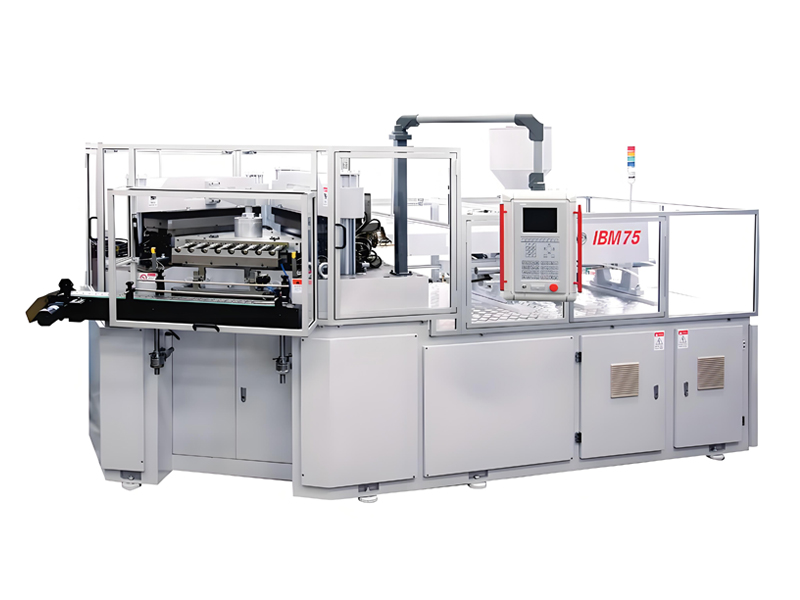
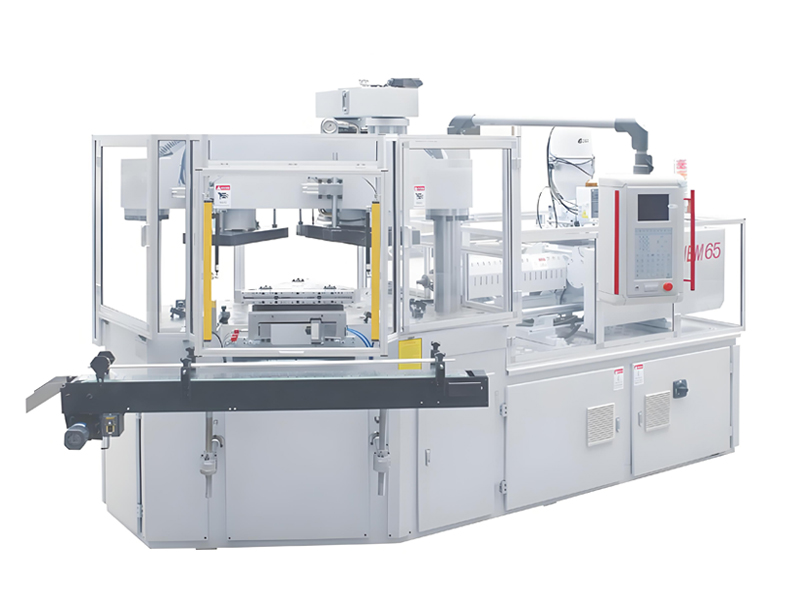
The intersection of Chinese injection blow molding technology and eco-friendly material processing represents a dynamic and evolving landscape offering significant opportunities for forward-thinking manufacturers. AiBiM has positioned itself as a leading supplier of injection blow molding machines capable of processing both conventional and eco-friendly materials efficiently and reliably. The company’s equipment, including the IBM55, IBM65, and IBM75 models, provides the technical capabilities needed to produce sustainable packaging solutions that meet growing market demand for environmentally responsible products.
The transition toward eco-friendly materials requires careful consideration of performance requirements, cost implications, environmental impacts, and market dynamics. Biodegradable materials including PLA and PHAs offer renewable content and end-of-life advantages but currently carry material costs significantly higher than conventional plastics and may have performance limitations for certain applications. Recycled materials offer cost advantages and environmental benefits when high-quality material is available and appropriate processing capabilities are in place. The material compatibility of AiBiM machines with a broad range of conventional and eco-friendly materials provides manufacturers with the flexibility to implement sustainable material strategies as market conditions and technologies evolve.
Success in implementing eco-friendly materials requires attention to technical details including equipment adaptations, process parameter optimization, and quality control enhancements. The energy-efficient design of AiBiM machines supports sustainable production practices by reducing the environmental footprint of manufacturing operations while lowering operating costs. With over 12 years of manufacturing experience and exports to more than 40 countries, AiBiM has developed the expertise needed to support manufacturers navigating the complex transition toward sustainable packaging materials. The combination of capable equipment, material compatibility, and technical support positions AiBiM as a valuable partner for manufacturers committed to embracing eco-friendly materials and sustainable production practices.
The future of injection blow molding will increasingly be shaped by sustainability considerations, regulatory requirements, and evolving consumer preferences. Manufacturers that develop capabilities for eco-friendly material processing today will be well-positioned to capitalize on growing market demand for sustainable packaging solutions. By partnering with experienced equipment manufacturers like AiBiM and investing in the technical capabilities needed to process advanced materials successfully, manufacturers can build competitive advantages while contributing to environmental sustainability objectives.