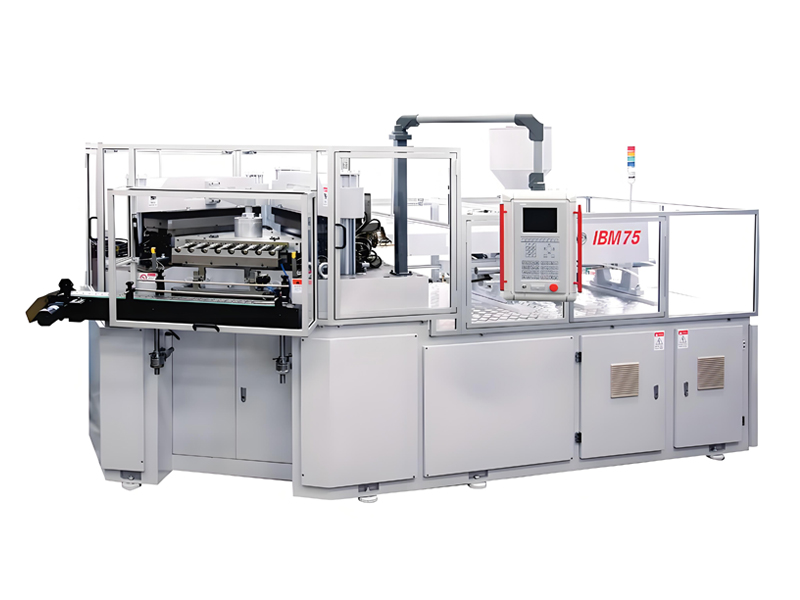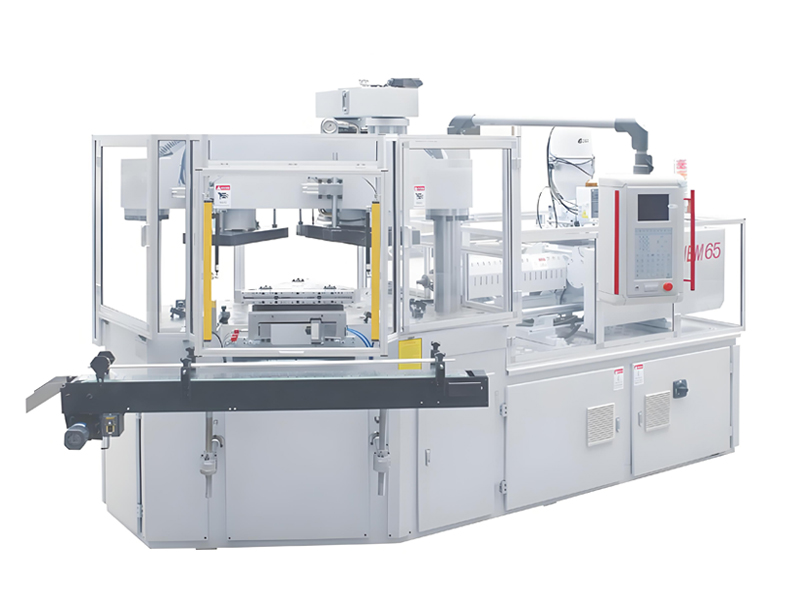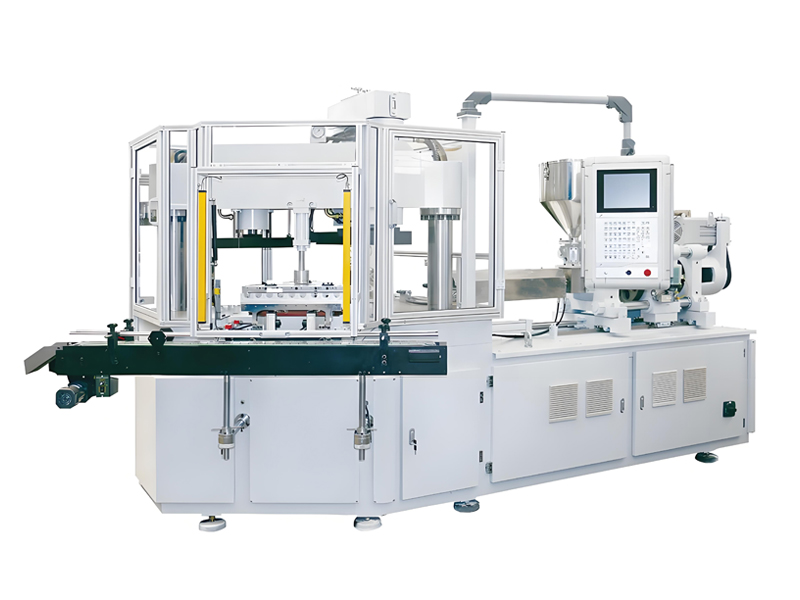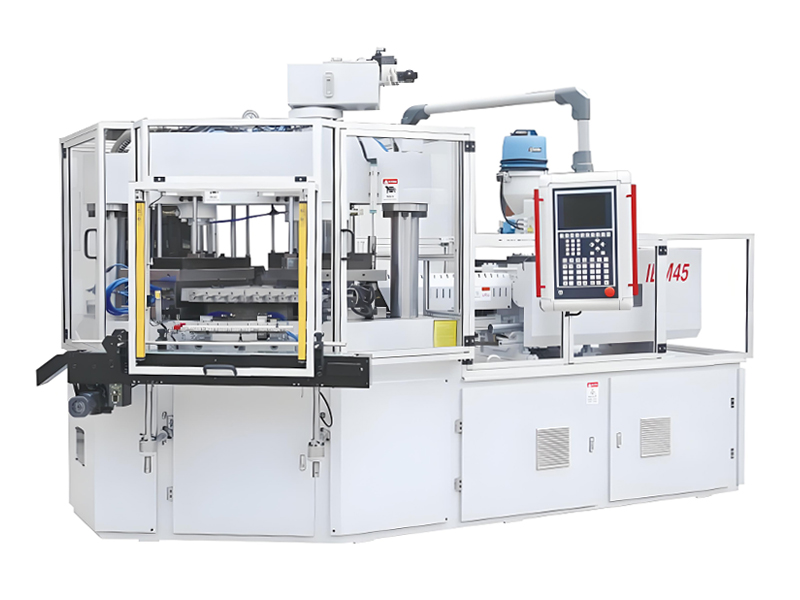
The industrial container market encompasses a diverse range of applications requiring robust packaging solutions for chemicals, lubricants, automotive fluids, agricultural products, and countless other industrial materials. Small volume production of industrial containers presents unique challenges that differ significantly from high-volume consumer packaging operations. Injection Blow Molding Machines designed for small volume industrial container production must balance production efficiency with the flexibility required for diverse product specifications. This comprehensive guide examines how manufacturers can successfully address small volume industrial container requirements through appropriate machine selection, process optimization, and operational strategies.
Understanding Small Volume Industrial Container Requirements
Industrial containers serve demanding applications that impose stringent requirements on packaging performance. Unlike consumer products where aesthetics often drive purchasing decisions, industrial containers must deliver reliable functional performance in challenging environments. Chemical resistance, structural integrity, closure compatibility, and regulatory compliance represent fundamental requirements that shape container design and production approaches. Small volume production must satisfy these requirements while remaining economically viable.
The volume characteristics of industrial container markets differ markedly from consumer packaging. Individual product lines may require only thousands of containers annually rather than millions. Product proliferation in industrial settings creates diverse requirements for different formulations, sizes, and regulatory jurisdictions. These factors favor production flexibility over maximum throughput, creating opportunities for specialized small volume production capabilities.
Industrial customers typically prioritize supplier reliability, quality consistency, and technical capability over price competition. Long-term relationships with trusted suppliers characterize industrial markets more than transactional purchasing behavior. This relationship-oriented market structure benefits manufacturers who invest in capabilities for serving industrial customers, including the flexibility required for small volume specialty production.
Industrial Container Applications and Specifications
Chemical storage and transport containers must withstand exposure to aggressive chemical formulations without degradation or contamination. Material selection becomes critical, with specialty resins required for particularly aggressive chemicals. Closure systems must maintain seal integrity under varying temperature and pressure conditions. Regulatory compliance for chemical packaging imposes documentation and traceability requirements that add complexity to production operations.
Lubricant packaging for automotive and industrial applications represents a substantial industrial container market. These containers typically require specific neck finishes compatible with standardized dispensing systems. Resistance to oil-based contents and their additives drives material selection. Graphics and labeling requirements for lubricant products demand consistent print quality that supports brand positioning in competitive markets.
Agricultural chemical containers present unique requirements related to storage in outdoor environments, resistance to ultraviolet exposure, and child-resistant closure requirements in many jurisdictions. These specialized requirements may increase with regulatory evolution, favoring suppliers who maintain development capabilities for adapting to changing requirements. Small volume production flexibility enables suppliers to address these evolving needs without massive volume commitments.
Economic Considerations for Small Volume Production
Small volume production economics differ fundamentally from high-volume manufacturing assumptions. Traditional injection blow molding equipment, optimized for high-volume production, may prove economically unsuitable for small volume orders. Machine utilization rates that would be acceptable in high-volume operations become problematic when production requirements cannot fully load available capacity. Understanding these economic dynamics guides equipment and operational strategy decisions.
The cost structure for small volume industrial container production includes fixed costs spread across smaller production volumes, including machine investment, facility overhead, and dedicated labor. Variable costs including materials, energy, and consumables scale more predictably with production volume. Economic viability requires that prices sufficiently cover both fixed and variable costs while remaining competitive in target markets.
Minimum order quantities represent a practical constraint in small volume production, with economic minimums typically ranging from 1,000 to 10,000 units depending on container complexity and equipment capabilities. Below these minimums, per-unit costs may exceed prices that customers will accept. Understanding these constraints helps manufacturers and customers establish realistic expectations for production partnerships.
Machine Selection for Small Volume Production
Equipment selection fundamentally shapes production economics and operational capabilities for small volume industrial container manufacturing. The optimal machine configuration balances throughput capabilities against flexibility requirements and investment constraints. Understanding how different machine characteristics affect small volume production outcomes guides selection decisions that serve long-term business objectives.
Modern Injection Blow Molding Machines offer various capacity ranges that suit different production scales. Smaller machines with reduced shot capacities may offer economic advantages for small volume production through lower investment costs, reduced energy consumption, and better matching of capacity to production requirements. These smaller machines can achieve acceptable per-unit costs even for modest production volumes.
Machine Capacity Considerations
Matching machine capacity to production requirements represents a critical decision in small volume production strategy. Oversized machines for small volumes waste investment capital and consume excess energy during underutilized operation. Undersized machines for larger volumes within the small volume category create bottlenecks that limit production efficiency. Careful analysis of volume ranges and product characteristics guides appropriate capacity selection.
Machine footprint considerations affect facility requirements and investment in supporting infrastructure. Smaller machines require less floor space and often require simpler utility connections, reducing facility investment requirements. These advantages can prove significant for startups or operations expanding into new product categories. The trade-off involves potential limitations on future volume growth if production requirements expand beyond the selected machine capacity.
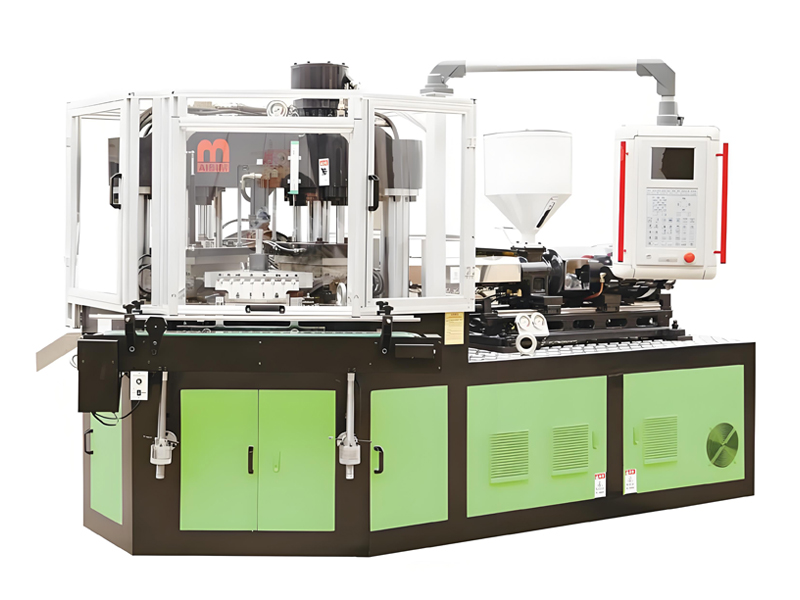
AiBiM offers Injection Blow Molding Machines in various capacity configurations suitable for small volume industrial container production. Their equipment combines production capability with operational flexibility, enabling manufacturers to address diverse customer requirements without excessive investment in multiple specialized machines. Technical support capabilities help customers optimize machine selection for their specific production requirements.
Flexibility Features for Diverse Product Ranges
Production flexibility enables single machines to serve multiple product configurations efficiently, maximizing utilization across varied small volume orders. Quick-changeover capabilities reduce setup times between different products, directly improving economics for mixed-product production schedules. Mold compatibility across machine models facilitates resource sharing and reduces tooling investment requirements.
Control system capabilities significantly influence flexibility and operational efficiency. Modern control systems store product configurations, enabling quick retrieval of established parameters for repeat orders. Automated setup functions reduce operator skill requirements and improve consistency across changeovers. Remote monitoring and support capabilities enable rapid troubleshooting that minimizes downtime during changeover operations.
Material handling flexibility accommodates the diverse resin requirements of industrial container applications. Systems capable of processing various polymer types without extensive reconfiguration enable production of containers for different chemical compatibility requirements. Color change capabilities address multi-product production schedules without extensive cleaning and purge cycles. Material drying systems that accommodate various resin types support production flexibility.
Process Optimization for Small Volume Efficiency
Process optimization techniques specifically adapted for small volume production improve economics and quality consistency. Standard production optimization approaches designed for high-volume operations may require modification for effective application to smaller volumes. Understanding these adaptations enables manufacturers to achieve competitive performance in the small volume segment.
Setup Time Reduction Strategies
Setup time represents a disproportionate cost element in small volume production, as fixed setup costs spread across fewer units than in high-volume operations. Systematic setup reduction efforts yield substantial per-unit cost improvements. Standardized procedures, organized workstations, and skilled operators all contribute to faster, more consistent changeovers.
Setup documentation that captures optimal procedures for each product enables consistent execution regardless of operator experience level. Visual aids including photographs, diagrams, and checklists ensure that critical steps receive proper attention. Regular review and improvement of documented procedures identifies opportunities for further setup time reduction. This knowledge management approach builds organizational capability over time.
Parallel preparation of upcoming production runs while current runs proceed reduces effective changeover time. Having molds, materials, and tooling ready before production completion enables immediate transition to the next product. This approach requires scheduling coordination and forward-looking operational management but yields significant productivity improvements.
Process Parameter Optimization
Design of Experiments methodologies identify optimal process parameters efficiently even with limited production volumes. Traditional full-factorial designs may require excessive runs for practical application. Fractional factorial and screening designs identify critical parameters with fewer experimental runs. Statistical analysis of results quantifies the effects of parameter changes and interactions.
Process modeling based on fundamental relationships between parameters and outcomes enables extrapolation beyond measured conditions. These models predict optimal settings for conditions not directly measured, reducing experimental requirements. Model validation against measured results ensures predictive accuracy before applying models to production situations.
Process robustness studies evaluate how parameter variations affect product quality, identifying operating windows that tolerate normal variation without quality impact. Robust processes require less precise control and are less sensitive to normal equipment variation. These studies require careful experimental design but provide lasting benefits through improved process capability.
Quality Assurance for Industrial Applications
Quality assurance for industrial containers extends beyond basic dimensional and visual inspection to address application-specific performance requirements. Industrial customers expect containers to perform reliably in demanding applications, with failure potentially creating safety hazards, environmental contamination, or regulatory violations. Quality systems must address these expectations comprehensively.
Material Verification and Traceability
Material verification ensures that containers are produced from specified materials with documented properties. Incoming material inspection verifies that resin deliveries meet specification requirements before production use. Production documentation links specific containers to specific material lots, enabling trace-back in case quality issues emerge. This traceability supports root cause analysis and customer confidence.
Material certifications from resin suppliers provide documented evidence of material properties and regulatory compliance. Maintaining these certifications with production records creates comprehensive documentation packages that industrial customers increasingly require. Electronic document management systems facilitate efficient organization and retrieval of quality documentation.
Chemical resistance verification through material testing confirms that selected resins will perform adequately with specific chemical contents. Migration and permeation testing for food-contact or pharmaceutical applications requires specialized laboratory capabilities. For industrial chemical applications, material data sheets and supplier guidance typically provide sufficient information for most container selections.
Dimensional and Functional Testing
Dimensional inspection verifies that containers meet critical dimensional specifications affecting closure fit, stacking capability, and compatibility with filling equipment. Coordinate measuring machines provide precise dimensional data for critical features. Statistical process control of dimensional measurements tracks capability and identifies trends before specification violations occur.
Functional testing addresses application-specific performance requirements. Closure torque testing verifies that closures will remain secure during handling and storage. Drop testing assesses structural integrity when filled containers experience impact scenarios. Seal integrity testing verifies that container closures maintain leak-free performance. These tests provide evidence of container performance capability.
Accelerated aging testing evaluates long-term material performance and printing durability for containers expected to withstand extended storage periods. Ultraviolet exposure testing assesses performance for outdoor storage applications. Chemical compatibility testing exposes containers to contents over extended periods to verify material stability. These specialized tests address requirements beyond normal quality control inspection.
Cost Analysis for Small Volume Industrial Containers
Comprehensive cost analysis for small volume industrial container production enables accurate pricing and profitability assessment. Understanding cost structure and drivers guides operational decisions and identifies opportunities for cost reduction. Detailed cost modeling supports customer pricing discussions and helps identify target costs for new product development.
Cost Structure Components
Tooling costs for small volume industrial container production include mold investment, mold maintenance, and mold depreciation allocation. Mold costs for industrial containers typically range from 8,000 to 35,000 USD depending on cavity complexity, material requirements, and durability specifications. For small production volumes, mold cost allocation per unit significantly impacts overall economics.
Production costs include direct material costs, machine operating costs, labor costs for operation and supervision, and overhead allocation for facility, utilities, and administration. Material costs scale directly with production volume, with typical industrial container materials ranging from 1.20 to 3.50 USD per kilogram depending on resin type and order volume. Machine operating costs, including energy and compressed air, typically range from 8 to 20 USD per hour depending on machine size and utilization.
Quality and compliance costs include testing, documentation, certification maintenance, and regulatory compliance activities. These costs may represent fixed commitments regardless of production volume, making them proportionally larger cost components for smaller orders. Efficient quality systems that leverage documentation templates and standardized procedures minimize these costs while maintaining compliance.
Sample Cost Scenarios
A typical 5-liter industrial container produced in volumes of 5,000 units might carry the following approximate cost breakdown: mold depreciation at 0.80 USD per unit, direct material at 1.40 USD per unit, machine time at 0.60 USD per unit, labor and overhead at 0.90 USD per unit, and quality costs at 0.30 USD per unit, yielding total production cost of approximately 4.00 USD per unit. This example assumes moderate container complexity and standard industrial quality requirements.
A more complex 20-liter container with specialized neck finish and chemical resistance requirements might carry higher costs: mold depreciation at 1.50 USD per unit, specialty resin material at 3.20 USD per unit, extended machine time at 1.20 USD per unit, and additional quality costs at 0.60 USD per unit, yielding total production cost of approximately 6.50 USD per unit. Specialty requirements justify higher pricing that maintains profitability.
Very small production runs of 1,000 units face challenges from mold cost allocation, potentially reaching 4.00 USD per unit from mold depreciation alone. Strategies for addressing these economics include combining multiple small orders into mold families that share tooling costs, negotiating minimum order requirements with customers, and potentially using alternative production methods for particularly small requirements. Understanding these trade-offs guides customer discussions and operational planning.
Production Planning and Scheduling
Efficient production planning and scheduling maximizes utilization of small volume production capabilities while meeting diverse customer requirements. The complexity of managing multiple small orders with different specifications, quantities, and delivery requirements challenges traditional production planning approaches. Modern planning techniques and systems enable efficient small volume operations.
Order Sequencing and Batching Strategies
Strategic order sequencing groups similar products to minimize changeover time and maximize production efficiency. Products sharing similar materials, colors, or mold configurations can be sequenced to reduce cleaning and setup requirements. This batching approach requires customer willingness to accept delivery timing flexibility in exchange for improved pricing from efficient production.
Changeover sequence optimization considers both transition costs and production efficiency. Major changes in materials or colors typically require complete machine cleaning, while minor changes in container size or neck finish may require only mold changeover. Sequencing that groups major changes together and minimizes their frequency reduces total changeover time across production schedules.
Production leveling techniques distribute orders more evenly across available capacity, avoiding periods of overwork followed by underutilization. Level scheduling improves labor planning, material procurement efficiency, and delivery consistency. This approach requires customer understanding and cooperation but benefits all parties through improved reliability.
Lead Time Management
Realistic lead time commitments balance customer expectations against operational capabilities. Small volume production with diverse requirements typically requires longer lead times than high-volume standard product operations. Communicating these requirements clearly prevents misunderstandings and enables efficient production planning.
Lead time components include order entry and specification clarification, material procurement if not in stock, mold preparation or setup, production scheduling and execution, quality inspection and testing, and packaging and shipment preparation. Each component requires time that production acceleration cannot eliminate. Identifying these components for specific order types enables accurate planning.
Expedite capabilities for urgent requirements should be available but typically at premium pricing. Maintaining reserve capacity for expedite requests provides customer service flexibility but reduces overall utilization efficiency. Clear policies regarding expedite fees and limitations manage customer expectations while preserving operational efficiency for standard orders.
Equipment Maintenance for Small Volume Operations
Maintenance strategies for small volume production must balance equipment reliability against utilization requirements that may differ from high-volume assumptions. Extended periods between production runs may create different maintenance concerns than continuous operation. Understanding these differences enables appropriate maintenance planning that ensures equipment availability when needed.
Preventive Maintenance Scheduling
Time-based preventive maintenance schedules ensure that equipment receives appropriate care regardless of production volume. Hydraulic fluid changes, filter replacements, and lubrication services should follow time-based intervals rather than only production-based schedules. This approach ensures equipment condition does not deteriorate during extended idle periods.
Inspection and monitoring activities verify equipment condition and identify developing issues before they cause production interruptions. Regular inspection routines maintain operator familiarity with equipment condition while providing data for maintenance planning. Temperature monitoring, vibration analysis, and performance trending identify issues requiring attention.
Mold maintenance requires attention even during storage between production runs. Corrosion prevention, contamination protection, and periodic inspection ensure molds remain ready for production when scheduled. Establishing storage protocols and schedules maintains mold condition over extended periods between production use.
Maintenance Cost Management
Maintenance cost allocation for small volume operations requires careful analysis to ensure adequate maintenance funding without excessive per-unit cost impacts. Establishing maintenance reserves through inclusion in production pricing ensures funding availability when needed. Alternatively, operating budgets should include contingency maintenance funds for unplanned repair requirements.
Maintenance labor organization affects both cost and equipment availability. Dedicated maintenance staff for larger operations provides rapid response capability but carries significant costs. Contract maintenance services for smaller operations provide access to specialized expertise without permanent staffing costs. Each approach offers advantages depending on operational scale and complexity.
Spare parts inventory management balances equipment availability against working capital requirements. Critical spare parts should be stocked to prevent extended downtime from parts unavailability. Less critical items can be ordered as needed with acceptable lead time. Parts supplier relationships and supply chain reliability affect inventory requirements.
Growth Strategies for Small Volume Operations
Successful small volume industrial container operations pursue growth strategies that leverage their flexibility advantages while building scale economics over time. Growth may come through expanding customer bases, increasing wallet share with existing customers, or strategic capacity investments. Each growth path presents opportunities and challenges that shape operational development priorities.
Market Development Approaches
Market segmentation analysis identifies niche opportunities where small volume capabilities provide competitive advantages. Industrial applications requiring specialized materials, unique configurations, or responsive flexibility may favor smaller producers over high-volume competitors. Focusing marketing efforts on these segments builds positions that resist competitive pressure from larger producers.
Customer development activities deepen relationships with target customers, expanding share of their packaging requirements over time. Technical collaboration on new product development creates opportunities for volume growth as customer products succeed. Reliability and quality performance build trust that leads to expanded responsibility. These relationship-building activities require patience but create valuable long-term positions.
Geographic expansion into new territories or industry sectors diversifies revenue sources and reduces concentration risk. New market entry requires understanding local requirements, regulations, and competitive dynamics. Partnerships with local distributors or manufacturers may facilitate entry while minimizing investment risk. Each expansion requires evaluation of strategic fit and operational capability implications.
Capacity Investment Planning
Capacity expansion decisions should balance growth opportunities against investment risk. Waiting for definitive demand signals may miss opportunities while moving prematurely may create capacity that cannot be utilized. Investment thresholds that commit significant capital require confidence in growth trajectory and competitive positioning.
Flexible capacity through equipment that accommodates various product types enables incremental expansion without overcommitment. Multi-purpose equipment that serves multiple market segments provides utilization insurance against demand shifts in any single segment. This flexibility strategy proves particularly valuable in evolving markets with uncertain future requirements.
Technology evolution considerations affect equipment investment timing. Emerging technologies may offer advantages for small volume production but carry adoption risks. Staying current with technology developments while managing existing equipment investments requires balanced assessment of upgrade timing and benefits. Equipment suppliers like AiBiM provide guidance on technology trends and upgrade pathways.
Conclusion
Small volume industrial container production presents both challenges and opportunities for manufacturers willing to develop appropriate capabilities. Success requires understanding specific industrial application requirements, selecting appropriate equipment and operational strategies, implementing efficient production processes, and building customer relationships that support long-term growth. The flexibility advantages of small volume operations can become competitive differentiators when properly developed and marketed.
Investment in quality systems and regulatory compliance capabilities addresses the higher standards industrial customers expect. Production planning and scheduling approaches adapted for diverse small volume orders maximize utilization efficiency. Maintenance strategies that ensure equipment readiness while managing costs support reliable customer service. These operational elements combine to create capabilities that serve demanding customers profitably.
AiBiM Injection Blow Molding Machines designed for small volume production provide the equipment foundation for successful industrial container operations. Their global support capabilities assist manufacturers in developing operational excellence and growing their businesses. By partnering with equipment suppliers committed to customer success, manufacturers can build sustainable competitive positions in the demanding industrial container market.