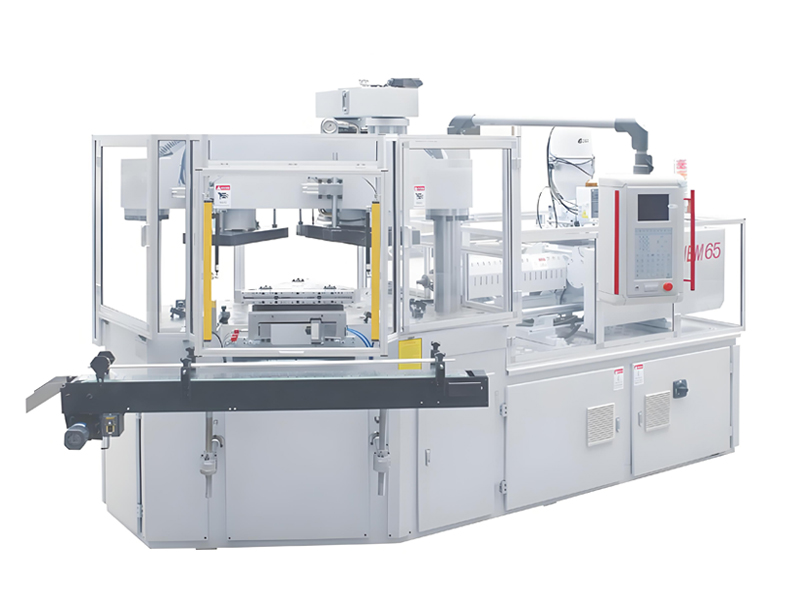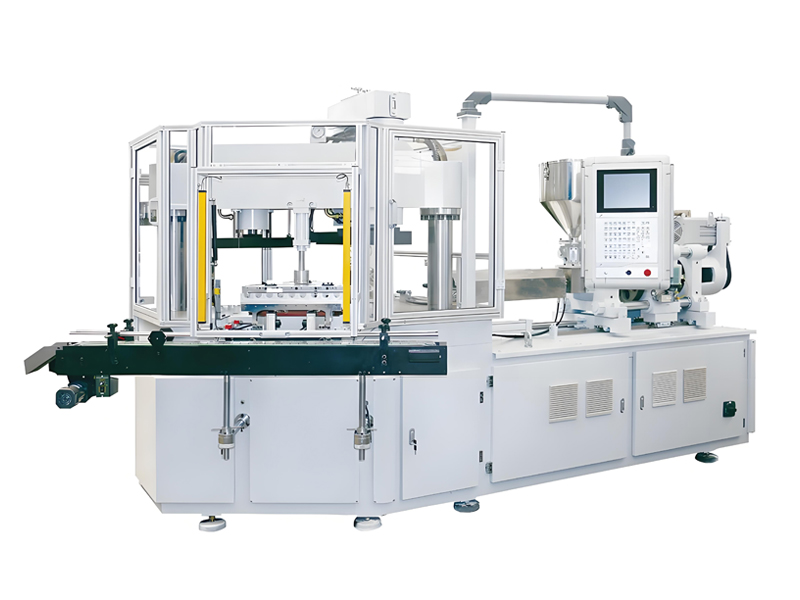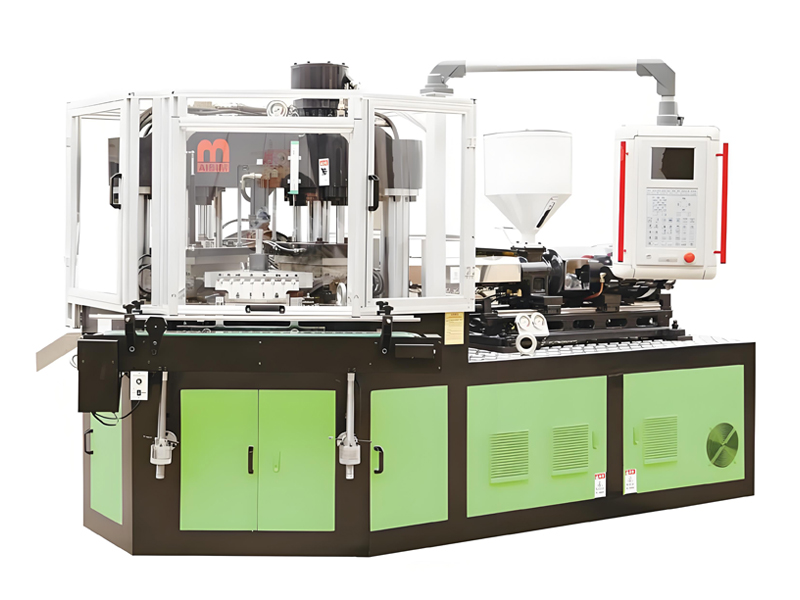
The demand for high precision injection blow molding (IBM) machines has grown exponentially across the plastics manufacturing industry, driven by increasing requirements for defect-free plastic products in pharmaceutical, medical, food packaging, and cosmetic sectors. AiBiM injection blow molding machines have established themselves as industry leaders in delivering superior precision capabilities that eliminate defects and ensure consistent product quality across production runs. These advanced machines combine state-of-the-art control systems, precision engineering, and innovative technology to produce plastic bottles and containers with exceptional dimensional accuracy, surface finish, and structural integrity.
Defect-free production represents a critical competitive advantage in today’s plastics manufacturing environment where product rejection rates directly impact profitability and customer satisfaction. Traditional blow molding processes often struggle with inconsistent wall thickness, flash formation, neck finish variations, and surface defects that can reach rejection rates of 3-5% in typical production environments. AiBiM precision IBM machines reduce rejection rates to below 0.5% through advanced process control, precision mold engineering, and automated quality monitoring systems that detect and prevent defects before they become production problems.
Understanding Injection Blow Molding Technology
Fundamental Process Overview
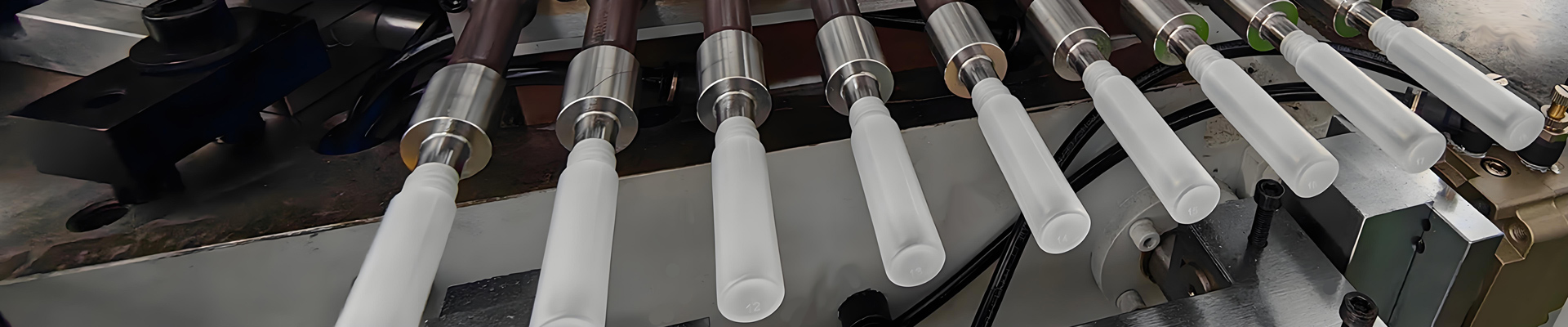
Injection blow molding represents a sophisticated manufacturing process that combines elements of injection molding and blow molding into a single integrated system. The process begins with the injection of molten plastic material into a preform mold that creates the bottle neck and an initial parison shape. This preform is then transferred to a blow mold where compressed air expands it to form the final bottle shape. The integrated nature of IBM processing enables superior control over wall thickness distribution, neck finish precision, and dimensional accuracy compared to alternative manufacturing methods.
AiBiM IBM machines utilize a three-station rotary design that maximizes production efficiency while maintaining exceptional precision. The injection station creates the preform with precise control over material distribution and temperature profiles. The conditioning station allows for optimal temperature adjustment before blowing, ensuring uniform wall thickness and preventing defects caused by uneven material temperature. The blow station delivers precisely controlled air pressure that forms the final container without creating thin spots, stress marks, or other common defects.
The material flexibility of IBM processing represents another significant advantage, with AiBiM machines capable of processing PP, PC, ABS, HDPE, PVC, PE, EVA, and various polymer blends. This material versatility enables manufacturers to select optimal materials for their specific applications while maintaining the precision and quality control characteristics of IBM processing. The ability to process diverse materials with consistent quality makes AiBiM machines valuable assets for manufacturers serving multiple market segments.
Precision Requirements in Modern Manufacturing
Modern plastic container applications demand increasingly strict quality standards that traditional blow molding equipment cannot consistently achieve. Pharmaceutical bottles require precise dimensional accuracy for proper cap engagement and dosing accuracy, while food packaging containers demand consistent wall thickness for structural integrity during filling and transportation. Cosmetic bottles require exceptional surface finish for premium appearance, and medical containers need absolute leak-proof performance regardless of small variations in material properties or processing conditions.
AiBiM high precision IBM machines address these demanding requirements through advanced control systems that maintain processing parameters within exceptionally tight tolerances. Temperature control systems maintain material temperature within 1 degree Celsius throughout the injection and blowing process, preventing variations that could cause wall thickness inconsistencies or surface defects. Pressure control systems deliver injection and blow pressures within 0.1 MPa accuracy, ensuring consistent formation without flash or incomplete filling that would create defective products.
Dimensional control represents the most critical aspect of precision in IBM processing, as small variations in bottle dimensions can create functional problems during subsequent filling, capping, or labeling operations. AiBiM machines maintain bottle dimensions within 0.05mm tolerances across production runs, eliminating defects caused by dimensional variations that would affect downstream processing or product performance. This dimensional precision is particularly valuable for applications requiring tight tolerances such as pharmaceutical containers with specific dosing requirements or food containers with specified fill volumes.
AiBiM High Precision Machine Specifications
IBM35 Compact Precision Model
The IBM35 represents AiBiM’s entry-level precision machine designed for small capacity bottles ranging from 3ml to 600ml with exceptional quality consistency. This model features a 40mm screw diameter with maximum injection capacity of 220cm3, providing sufficient capacity for small precision containers while maintaining precise control over material delivery. The machine’s compact footprint of 3100x1200x2200mm makes it ideal for facilities with limited space while maintaining the precision capabilities of larger AiBiM models.
Technical specifications for the IBM35 include injection clamping force of 350kN and blow clamping force of 30kN, appropriate for small precision containers that require accurate neck formation but moderate blowing forces. The machine operates with total power consumption of 25kW, making it energy efficient for continuous operation. Idle cycle time of just 4 seconds enables rapid production rates while maintaining quality consistency, making the IBM35 suitable for high-volume small container production.
The IBM35 features advanced control systems that enable parameter programming with 0.1% resolution for critical variables such as injection pressure, injection speed, and blow pressure. This precise parameter control enables fine-tuning of processing conditions to eliminate specific defect types while maintaining overall production efficiency. The machine’s control system stores parameter sets for different container types, enabling rapid changeovers while maintaining precision across product lines.
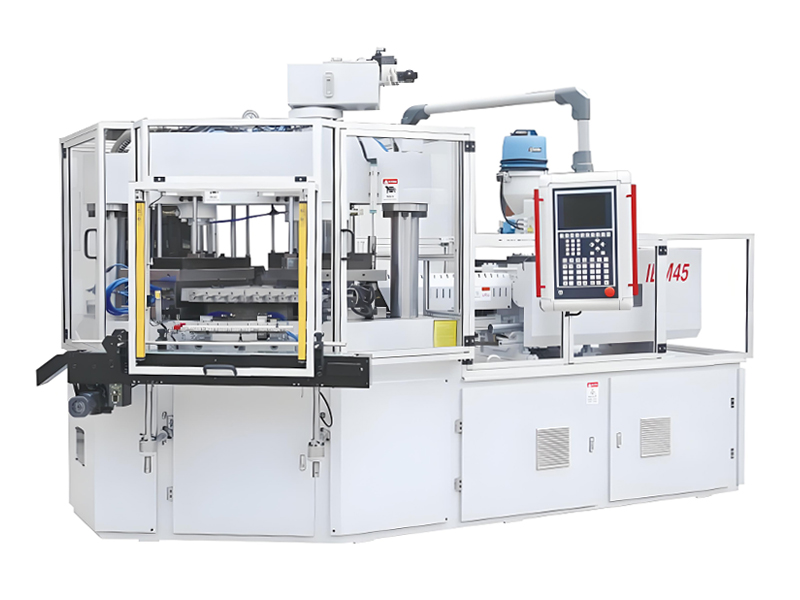
IBM45 Mid-Range Precision System
The IBM45 extends AiBiM’s precision capabilities to containers ranging from 5ml to 600ml with increased capacity for medium-sized precision containers. This model features a 45mm screw diameter with maximum injection capacity of 260cm3, providing enhanced material throughput while maintaining the precision characteristics of AiBiM technology. The machine’s dimensions of 3500x1400x2300mm provide adequate capacity while maintaining space efficiency.
Technical specifications include injection clamping force of 450kN and blow clamping force of 78kN, providing increased force capacity for larger containers while maintaining precise control. The machine operates with total power consumption of 35kW, balancing increased capacity with reasonable energy consumption. The hydraulic system operates at 14MPa pressure, delivering reliable force for consistent mold closure and blow pressure delivery without pressure variations that could cause defects.
The IBM45 incorporates enhanced temperature control with 3 heating zones plus mold heating capability, enabling precise temperature profiling for materials that require specific processing characteristics. This temperature control accuracy within 1 degree Celsius prevents defects caused by material temperature variations, such as wall thickness inconsistencies or surface quality problems. The machine’s conditioning station allows precise temperature adjustment before blowing, ensuring optimal material condition for defect-free formation.
IBM60 High-Capacity Precision Model
The IBM60 represents AiBiM’s popular precision machine for containers ranging from 5ml to 800ml, balancing production capacity with exceptional precision. This model features a 50mm screw diameter with maximum injection capacity of 314cm3, providing substantial material throughput while maintaining precise control over material delivery. The machine’s dimensions of 4000x1280x2350mm accommodate larger molds and multiple cavity configurations while maintaining compact efficiency.
Technical specifications include injection clamping force of 600kN and blow clamping force of 89kN, providing substantial force capacity for larger precision containers. The machine operates with total power consumption of 45kW, including mold heating, providing comprehensive functionality in a single system. The hydraulic system maintains consistent pressure delivery within 0.5% variation, preventing defects caused by pressure fluctuations during injection or blowing.
The IBM60 features advanced servo-driven systems that provide precise control over motion and positioning with 0.01mm accuracy. This positioning precision ensures consistent mold alignment and core rod positioning, eliminating defects caused by misalignment or position variation. The machine’s rotary indexing system maintains precise positioning accuracy across millions of cycles, ensuring long-term precision consistency without degradation that could lead to increasing defect rates over time.
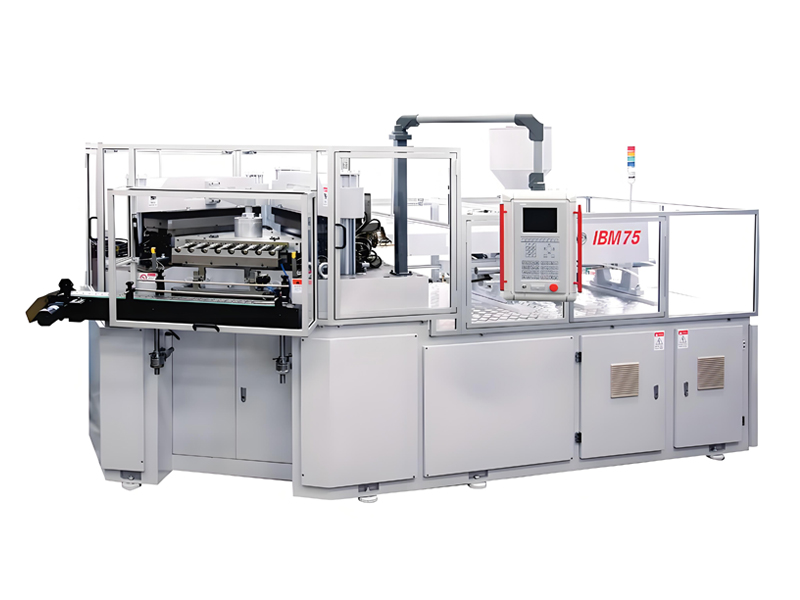
IBM75 Large-Capacity Precision Machine
The IBM75 represents AiBiM’s largest precision model, designed for containers ranging from 5ml to 1000ml with maximum production capacity while maintaining exceptional precision. This model features a 50mm screw diameter with maximum injection capacity of 400cm3, providing the highest material throughput in the AiBiM precision line. The machine’s dimensions of 4000x1700x2000mm accommodate large molds and high-cavity configurations.
Technical specifications include injection clamping force of 750kN and blow clamping force of 150kN, providing the highest force capacity in the AiBiM precision line. The machine operates with total power consumption of 50kW, balancing maximum capacity with energy efficiency. The hydraulic system delivers exceptional pressure consistency with advanced accumulator systems that eliminate pressure fluctuations even during rapid cycling.
The IBM75 incorporates the most advanced precision features in the AiBiM line, including multi-zone temperature control with independent control for up to 5 heating zones plus mold heating. This comprehensive temperature control enables precise thermal profiling for challenging materials or large containers that require complex temperature management. The machine’s data logging system records processing parameters for every cycle, enabling traceability and quality analysis that prevents defect recurrence through root cause analysis.
Defect Prevention Technologies
Precision Wall Thickness Control
Wall thickness consistency represents one of the most critical quality characteristics in blow molded containers, as thin spots create structural weaknesses while thick spots waste material and create cooling problems. AiBiM IBM machines incorporate advanced wall thickness control systems that maintain uniformity within 0.05mm across the entire container surface, eliminating defects caused by wall thickness variations that could compromise container performance or aesthetics.
The wall thickness control begins with precise material delivery during injection. AiBiM machines utilize servo-driven injection systems that deliver material at controlled rates and pressures, ensuring consistent parison formation without thick or thin areas. The injection control system can program different injection speeds and pressures throughout the injection cycle, compensating for mold geometry variations that could create thickness inconsistencies if uncorrected.
Temperature conditioning before blowing represents another critical aspect of wall thickness control. The conditioning station in AiBiM machines maintains precise parison temperature profiles that ensure uniform material viscosity during blowing. This temperature uniformity prevents uneven stretching that could create thickness variations, particularly in containers with complex geometries or varying wall thickness requirements. The result is consistent wall thickness across all container dimensions, eliminating defects caused by thin spots that would fail during use or thick areas that waste material.
Neck Finish Precision
Neck finish quality represents another critical defect prevention area, as poor neck threads or dimensional variations prevent proper cap engagement and cause leakage or cap rejection. AiBiM machines incorporate precision neck formation technology that produces necks with dimensional accuracy within 0.02mm and thread quality that meets international standards for pharmaceutical and food packaging applications.
The injection mold for neck formation in AiBiM machines features precision-machined core rods and cavity inserts that maintain tight tolerances throughout millions of cycles. These precision components resist wear and maintain dimensional accuracy, preventing defects caused by neck dimension drift that would occur with lower quality tooling. The materials used for neck formation components are selected for wear resistance and thermal stability, ensuring long-term precision without degradation.
Core rod positioning accuracy represents another critical factor for neck finish quality. AiBiM machines utilize servo-driven core rod positioning systems that maintain alignment within 0.01mm, ensuring consistent neck formation without flash or incomplete threads. The core rod temperature control maintains optimal thermal conditions for neck material, preventing defects caused by overheating that could create dimensional variations or surface quality problems.
Surface Quality Enhancement
Surface quality defects including sink marks, flow lines, and surface roughness can significantly affect product appearance and acceptability, particularly for cosmetic and consumer applications. AiBiM IBM machines incorporate multiple technologies that enhance surface quality and eliminate common surface defects that would otherwise lead to product rejection.
Temperature control represents the primary technology for surface quality enhancement. AiBiM machines maintain precise temperature profiles throughout the injection and blowing process, preventing temperature variations that cause surface defects. The uniform temperature distribution prevents flow lines caused by material front meeting at different temperatures, while consistent cooling prevents sink marks caused by uneven material solidification.
Mold surface quality represents another critical factor for surface finish. AiBiM machines work with precision molds manufactured to surface finish standards of Ra 0.2 or better, ensuring smooth container surfaces without tooling marks or surface imperfections. The mold temperature control maintains optimal surface conditions for material replication, ensuring consistent surface quality across production runs without surface defects that would affect product appearance.
Material handling systems in AiBiM machines prevent contamination that could cause surface defects such as specks, discoloration, or inclusions. The material delivery system from hopper to injection unit includes filtration and temperature control that maintains material purity and prevents degradation that could affect surface quality. This material handling precision eliminates surface defects that would cause visual rejection of otherwise dimensionally acceptable containers.
Automated Defect Detection
Preventing defects requires early detection before they become production problems affecting multiple products. AiBiM IBM machines incorporate automated defect detection systems that monitor quality parameters in real-time and alert operators to developing defect trends before they affect significant quantities of production. This proactive defect prevention saves material, reduces scrap rates, and maintains consistent product quality.
Visual inspection systems utilize cameras and image processing to detect surface defects including flash, incomplete filling, surface blemishes, and dimensional variations. These systems inspect every container at high speed, identifying defects that might be missed by manual inspection. The detection sensitivity can be adjusted based on quality requirements, with pharmaceutical applications requiring zero tolerance for any defects while consumer applications may allow minor visual variations.
Dimensional measurement systems verify critical container dimensions such as neck diameter, overall height, and wall thickness at multiple points. These systems use laser or optical measurement technology to achieve measurement accuracy within 0.01mm, detecting dimensional variations that could cause functional problems. The systems can be configured for different container types with measurement parameters adjusted for specific quality requirements.
Leak testing systems automatically test containers for leak-proof performance, particularly important for applications requiring hermetic sealing. These systems apply pressure or vacuum to each container and monitor for any indication of leakage, automatically rejecting defective units. The testing sensitivity can be adjusted based on application requirements, with pharmaceutical applications requiring zero tolerance for any leakage while consumer applications may allow minor leaks that don’t affect product performance.
Material Processing Capabilities
Polypropylene Processing
Polypropylene represents one of the most common materials for IBM processing due to its excellent balance of properties and processability. AiBiM machines process polypropylene with exceptional precision, producing containers with consistent quality across various PP grades including homopolymer, copolymer, and random copolymer formulations. The temperature control systems maintain optimal processing temperatures between 200-250 degrees Celsius depending on PP grade, preventing thermal degradation that could cause defects.
Clarity enhancement represents an important quality characteristic for PP containers, particularly for cosmetic and personal care applications. AiBiM machines incorporate processing controls that optimize clarity through precise temperature management and controlled cooling rates. The result is PP containers with transparency levels approaching PET materials while maintaining the cost advantages of PP material. This clarity enhancement eliminates visual defects that would otherwise cause rejection of containers with acceptable functional performance.
Impact strength optimization represents another critical quality aspect for PP containers, particularly for applications requiring durability. AiBiM machines process PP with controlled orientation that enhances impact strength through molecular alignment. The blow pressure and timing controls optimize this orientation process, producing containers with enhanced strength characteristics without sacrificing clarity or dimensional precision.
Polycarbonate Processing
Polycarbonate represents a premium material for high-performance applications requiring clarity, impact resistance, and temperature resistance. AiBiM machines process PC with exceptional precision despite the material’s challenging processing characteristics that include high melt viscosity and moisture sensitivity. The machines incorporate drying systems that maintain PC moisture content below 0.01%, preventing hydrolytic degradation that would cause defects.
The temperature control systems for PC processing maintain precise profiles between 280-320 degrees Celsius, preventing thermal degradation while ensuring adequate material flow. The machines’ insulation and heating systems maintain these high temperatures with minimal energy consumption and excellent temperature uniformity. This precise temperature control prevents defects such as yellowing, molecular weight degradation, or surface quality problems that would otherwise occur with less precise temperature management.
Clarity optimization for PC containers represents a critical quality characteristic, particularly for medical and premium consumer applications. AiBiM machines process PC with controlled shear rates and cooling profiles that maximize clarity while maintaining dimensional precision. The result is PC containers with optical clarity that meets the most demanding specifications while maintaining the material’s inherent strength and temperature resistance characteristics.
Medical Grade Materials
Medical grade materials including PPSU, COC, and specialized PC formulations require exceptional processing control to meet regulatory requirements and quality standards. AiBiM machines incorporate dedicated processing configurations for medical grade materials that include enhanced filtration, contamination prevention systems, and documentation capabilities required for medical device manufacturing compliance.
The material handling systems for medical grade materials include stainless steel contact surfaces, HEPA filtration of conveying air, and containment systems that prevent contamination. These systems maintain material purity throughout processing, preventing defects caused by particulate contamination that would otherwise cause rejection of containers with acceptable dimensional and surface characteristics. The documentation capabilities track material lot numbers, processing parameters, and quality data to support regulatory requirements.
Dimensional precision for medical containers represents the most critical quality characteristic, as small variations can affect device functionality or medication dosing accuracy. AiBiM machines maintain medical container dimensions within 0.02mm tolerances across production runs, ensuring consistent performance across millions of containers. This dimensional precision is particularly critical for containers with specific fill volumes, dispensing mechanisms, or sealing requirements.
Production Efficiency and Cost Analysis
Equipment Investment Costs
Investment in high precision IBM equipment represents a significant capital expenditure that must be justified through quality improvements and defect reduction benefits. AiBiM precision IBM machines range in price from $23,000 for entry-level IBM35 models to $48,000 for high-capacity IBM75 models, representing competitive pricing given the advanced precision capabilities included in these systems. The equipment investment includes comprehensive control systems, precision tooling, and defect detection capabilities that would require additional investment with lower-quality equipment.
Cost justification for precision equipment typically focuses on scrap rate reduction and quality improvement benefits. Traditional blow molding equipment may produce rejection rates of 3-5%, while AiBiM precision machines reduce rejection rates to below 0.5%. For a production facility producing 1 million containers annually with material cost of $0.05 per container, this represents annual material savings of $22,500 through defect reduction alone, significantly contributing to equipment ROI justification.
The equipment longevity represents another important cost consideration, as AiBiM machines are designed for 10+ years of service with minimal precision degradation. The robust construction and premium components in critical systems ensure that precision characteristics are maintained throughout equipment life, avoiding the quality decline that typically occurs with lower-quality equipment after 3-5 years of service. This longevity reduces replacement costs and maintains quality benefits over extended periods.
Operating Cost Analysis
Operating costs for AiBiM precision IBM machines include energy consumption, material usage, labor, maintenance, and consumables. Energy consumption varies by model from 25kW for IBM35 to 50kW for IBM75, representing competitive energy efficiency given the precision capabilities provided. For continuous operation at 6000 hours annually, energy costs at $0.15 per kWh range from $5,625 to $22,500 depending on model size and local energy costs.
Material costs represent the largest operating expense, but precision IBM machines optimize material usage through consistent wall thickness control that minimizes excess material while maintaining required container strength. The precise control enables optimal material usage with typical material efficiency rates exceeding 98%, compared to 95-96% for less precise equipment. For a facility consuming 100 tons of PP annually at $1.20 per kg, this represents annual material savings of $4,800 through improved material efficiency.
Labor costs for IBM machine operation vary based on automation level and production organization. AiBiM machines include automated systems that reduce direct labor requirements to 1-2 operators per machine, compared to 3-4 operators for less automated equipment. This labor reduction represents annual savings of $40,000-$80,000 based on labor rates, contributing significantly to operating cost efficiency despite the higher equipment investment.
Quality Cost Benefits
Quality improvement benefits represent the most significant economic advantage of precision IBM machines, though these benefits are often overlooked in straightforward cost analysis. Reduced rejection rates provide direct material savings, but improved quality also reduces customer complaints, returns, and warranty claims that represent hidden costs often exceeding the direct material waste costs.
Customer complaint reduction represents a substantial quality benefit, as defective products reaching customers create significant handling costs beyond the material replacement value. These costs include customer service time, return processing, replacement shipping, and potential loss of future business. AiBiM precision machines dramatically reduce customer complaints through consistent quality that meets or exceeds customer specifications, with many customers reporting complaint reductions exceeding 90% after implementing precision IBM equipment.
Market positioning benefits represent another quality advantage, as consistent product quality enables premium positioning and pricing opportunities. Products manufactured on precision IBM equipment consistently meet the quality requirements for premium market segments including pharmaceutical packaging, premium cosmetics, and high-end consumer products. This market positioning enables premium pricing that more than compensates for higher equipment costs through improved margins.
Application Case Studies
Pharmaceutical Bottle Production
A pharmaceutical manufacturer implemented AiBiM IBM60 precision machines for producing 100ml HDPE medicine bottles, replacing previous equipment that produced rejection rates of 4.2%. The implementation reduced rejection rates to 0.3%, representing annual material savings of $31,500 based on production volume of 5 million bottles annually. The precision neck formation eliminated cap fit problems that had caused customer returns, reducing return costs by approximately $18,000 annually.
The dimensional accuracy of the IBM60 machines enabled the manufacturer to meet stringent pharmaceutical specifications with 100% compliance, eliminating regulatory audit findings that had previously required process improvements and documentation updates. The automated defect detection systems provided real-time quality monitoring that prevented quality excursions before they affected production quantities, reducing batch rejections that had previously occurred approximately quarterly.
Total implementation cost including IBM60 machine purchase, mold replacement, and facility modifications totaled approximately $65,000. Annual savings from material waste reduction ($31,500), customer return reduction ($18,000), and compliance benefit (estimated $25,000) totaled $74,500, providing payback in less than one year. The manufacturer has since implemented additional IBM60 machines to expand precision capacity across product lines.
Cosmetic Container Manufacturing
A premium cosmetics manufacturer implemented AiBiM IBM45 machines for producing 50ml PP cream jars, seeking improved surface quality and dimensional consistency for premium market positioning. The previous equipment produced surface defects including flow lines and sink marks on approximately 8% of production, requiring manual sorting and substantial scrap. Implementation of IBM45 machines reduced surface defects to below 1%, with most defects detectable by automated systems before manual inspection.
The clarity enhancement capabilities of the IBM45 machines enabled production of PP containers with clarity levels approaching PET materials, allowing material substitution from PET to PP that reduced material costs by approximately 35% while maintaining product appearance and quality. This material substitution provided annual material cost savings of approximately $42,000 based on production volume of 3 million containers annually.
The dimensional consistency of IBM45 production enabled reduction of secondary operations including sorting and inspection, reducing labor requirements by approximately 1.5 full-time equivalents. Combined with material substitution savings and defect reduction benefits, the IBM45 implementation provided annual operating cost benefits of approximately $85,000 against machine investment of $38,000, providing excellent ROI while enabling premium market positioning.
Food Packaging Production
A food packaging manufacturer implemented AiBiM IBM35 machines for producing 250ml HDPE food containers, focusing on eliminating defects that affected filling line efficiency. The previous equipment produced containers with wall thickness variations that caused filling line stoppages approximately 8 times per shift, reducing overall production efficiency. Implementation of IBM35 machines eliminated these stoppages through consistent wall thickness, increasing overall production efficiency by approximately 15%.
The leak-proof performance of IBM35 production reduced product leakage during filling and transportation, which had previously caused approximately 2.3% product loss. The elimination of this product loss provided direct annual savings of approximately $28,000 based on production volume and product value. Additionally, reduced product loss improved customer satisfaction and reduced warranty claims by approximately 65%.
The equipment investment for IBM35 machines totaled approximately $28,000 including mold replacement and installation. Annual savings from production efficiency improvement (estimated $45,000), product loss reduction ($28,000), and warranty claim reduction (estimated $12,000) totaled $85,000, providing exceptional ROI in less than 4 months. The manufacturer has implemented additional IBM35 machines to extend precision benefits across additional product lines.
Implementation and Optimization Strategies
Pre-Installation Planning
Successful implementation of high precision IBM machines requires thorough pre-installation planning to ensure that facility conditions, supporting equipment, and operator training align with precision equipment requirements. Facility planning includes assessment of floor loading capacity, electrical service adequacy, compressed air capacity, and cooling water availability to ensure that support systems can meet precision equipment requirements without limitations.
Material handling planning is particularly important for precision IBM equipment, as material contamination represents a significant defect source. Planning should include material storage systems that prevent contamination, conveying systems that maintain material cleanliness, and drying systems appropriate for materials that require moisture control. Proper material handling planning prevents defects that would otherwise undermine precision equipment capabilities.
Operator training represents another critical planning area, as precision equipment requires different operating approaches compared to traditional equipment. Training should cover parameter adjustment procedures, quality monitoring techniques, and defect identification methods to enable operators to maximize precision equipment benefits. Comprehensive training typically requires 2-3 weeks and should include both classroom instruction and hands-on practice with supervision.
Process Optimization
Optimizing IBM processes for precision production requires systematic parameter adjustment based on quality data and defect analysis. The first optimization phase focuses on establishing baseline parameters that produce acceptable quality, followed by fine-tuning to eliminate specific defect types. This optimization process typically requires 1-2 weeks of focused effort after initial machine installation and training.
Parameter optimization should proceed systematically, adjusting one variable at a time while monitoring quality effects. Temperature optimization should begin first, as temperature variations affect most defect types. After establishing optimal temperature profiles, injection and blow pressure optimization can proceed, followed by timing adjustments for injection speed, blow timing, and cycle timing. This systematic approach prevents confusion from multiple simultaneous parameter changes and enables identification of optimal parameter sets.
Quality data collection supports ongoing process optimization by identifying trends and potential problems before they cause significant defects. AiBiM machines include data logging capabilities that should be utilized to track processing parameters and quality data. Analysis of this data enables proactive parameter adjustment and identification of developing problems before they affect production quality.
Maintenance and Calibration
Maintaining precision capabilities requires regular maintenance and calibration of critical systems. Temperature sensors and heating elements require regular calibration to ensure accuracy within specified tolerances. Pressure sensors and gauges should be calibrated quarterly to maintain measurement accuracy. Core rod positioning systems require periodic inspection and adjustment to maintain positioning accuracy.
Preventive maintenance schedules should be established based on manufacturer recommendations and modified based on actual operating conditions and wear patterns. Regular lubrication of moving components, filter changes for hydraulic and pneumatic systems, and inspection of wear parts prevent degradation that could affect precision. Following preventive maintenance schedules maintains equipment in optimal condition and prevents precision loss that would increase defect rates.
Mold maintenance represents particularly critical for precision production, as mold condition directly affects product quality. Regular mold cleaning prevents buildup that could affect surface quality or cause flash. Periodic inspection of mold surfaces identifies wear patterns that might affect dimensional accuracy. Proper mold storage between production runs prevents damage that would affect quality upon return to production.
Future Developments and Technology Trends
Industry 4.0 Integration
Industry 4.0 technologies including IoT sensors, cloud connectivity, and artificial intelligence are increasingly integrated with precision IBM equipment to enhance defect prevention and production efficiency. AiBiM machines incorporate connectivity options that enable remote monitoring, predictive maintenance, and automated parameter optimization based on real-time quality data.
Predictive quality systems utilize AI algorithms to analyze processing data and predict potential quality problems before they affect production. These systems identify patterns in parameter variations that precede defect formation, enabling automatic parameter adjustment to prevent defects. The systems learn from production data over time, continuously improving their prediction accuracy and defect prevention capabilities.
Remote monitoring capabilities enable oversight of production quality and equipment performance from anywhere with internet connectivity. This capability enables technical experts to provide remote support and optimization without site visits, reducing support costs and accelerating problem resolution. The monitoring systems provide real-time alerts for parameter deviations or quality excursions, enabling rapid response to developing problems.
Advanced Material Capabilities
Material innovation continues to create new opportunities and challenges for precision IBM equipment. Bio-based polymers, recycled content materials, and advanced polymer blends require different processing characteristics that precision equipment must accommodate. AiBiM machines incorporate processing capabilities for these advanced materials through flexible control systems and appropriate component materials.
Recycled content processing represents a growing trend driven by sustainability initiatives and regulatory requirements. Precision IBM machines can process recycled materials with consistent quality when equipped with appropriate filtration and homogenization systems. The precise control systems compensate for material property variations that typically occur with recycled content, maintaining quality consistency despite variable input material.
Bio-based polymers including PLA and PHA present processing challenges including higher melting temperatures and different rheological characteristics. AiBiM machines process these materials through temperature control system adjustments and screw design modifications that optimize processing for bio-based polymer characteristics. The result is consistent quality for bio-based polymer containers that meet sustainability initiatives while maintaining performance requirements.
Enhanced Automation
Automation advancements continue to reduce labor requirements and improve consistency in precision IBM production. Automated mold change systems, integrated quality inspection, and robotic handling systems reduce manual intervention while maintaining or improving quality consistency. These automation enhancements provide economic benefits through labor reduction while further enhancing defect prevention.
Automated quality inspection systems increasingly incorporate multiple inspection technologies including vision inspection, dimensional measurement, leak testing, and material property verification. These comprehensive inspection systems detect more defect types than single-technology systems and provide more complete quality assurance. The automated inspection capabilities reduce manual inspection requirements while improving defect detection accuracy and consistency.
Robotic handling systems for container removal and downstream processing reduce manual handling that could cause damage or contamination. These systems provide consistent handling without human variation, reducing defects caused by inconsistent handling practices. The robotic systems also enable faster cycle times and higher production rates while maintaining quality consistency.
Conclusion
High precision injection blow molding machines from AiBiM represent the ultimate solution for manufacturers requiring defect-free plastic product production. The advanced precision capabilities, comprehensive defect prevention technologies, and material processing flexibility enable production of containers with exceptional quality that meets the most demanding application requirements. The economic benefits through defect reduction, quality improvement, and market positioning opportunities provide compelling ROI that justifies the equipment investment.
As quality requirements continue to increase across all plastic container applications, the competitive advantage of precision IBM equipment becomes increasingly significant. Manufacturers implementing precision technology today position themselves for future success in markets where quality differentiation provides substantial competitive advantages. AiBiM’s comprehensive precision machine range provides options for all capacity requirements while maintaining the precision characteristics that enable defect-free production.
Continued technological advancements including Industry 4.0 integration, advanced material processing, and enhanced automation will further improve precision IBM capabilities while reducing operating costs. These developments will make precision IBM equipment increasingly accessible and valuable across broader application ranges. Manufacturers investing in precision technology today position themselves to leverage these advancements as they emerge, maintaining competitive advantage in evolving markets.