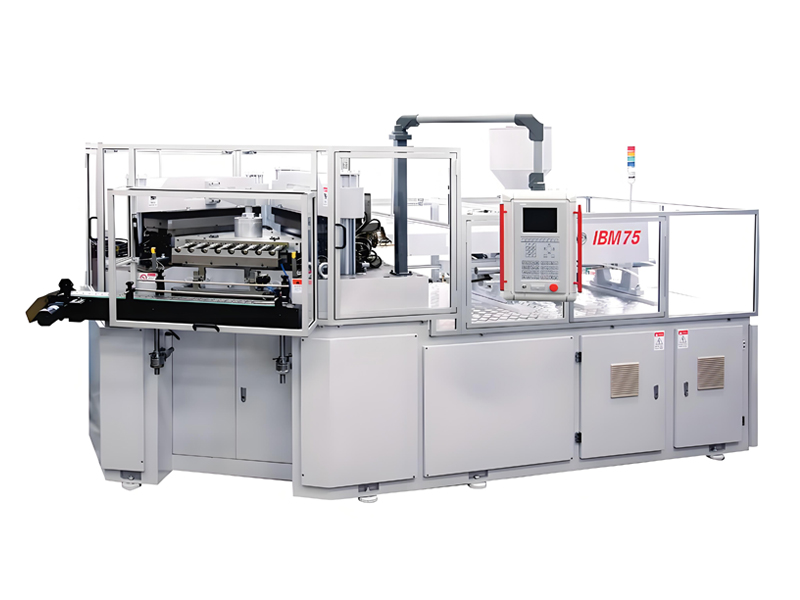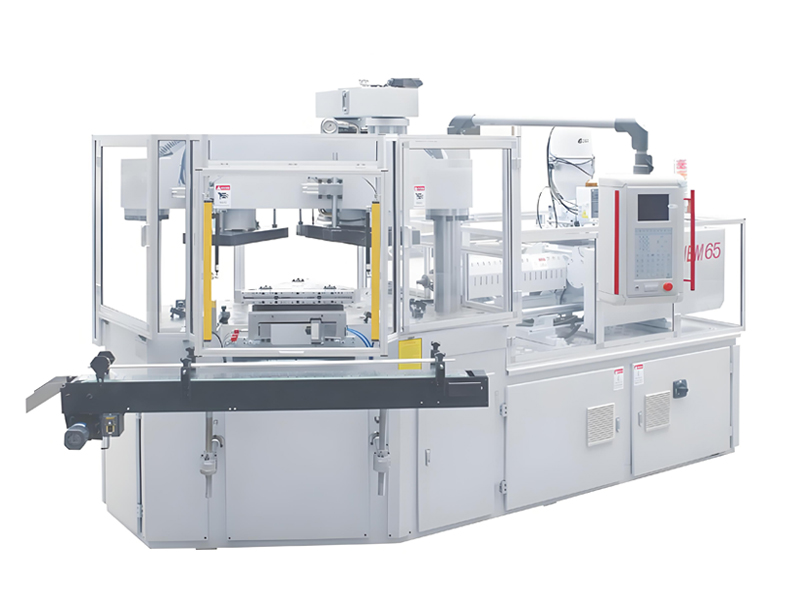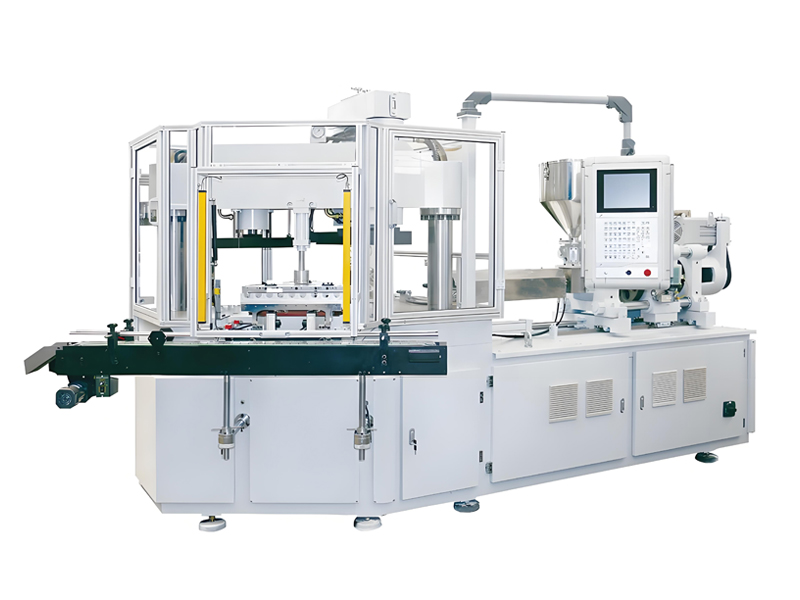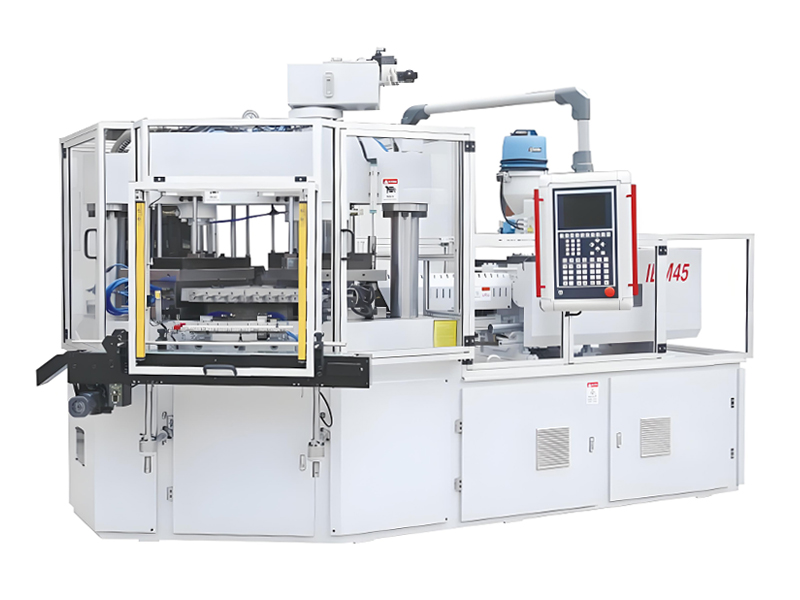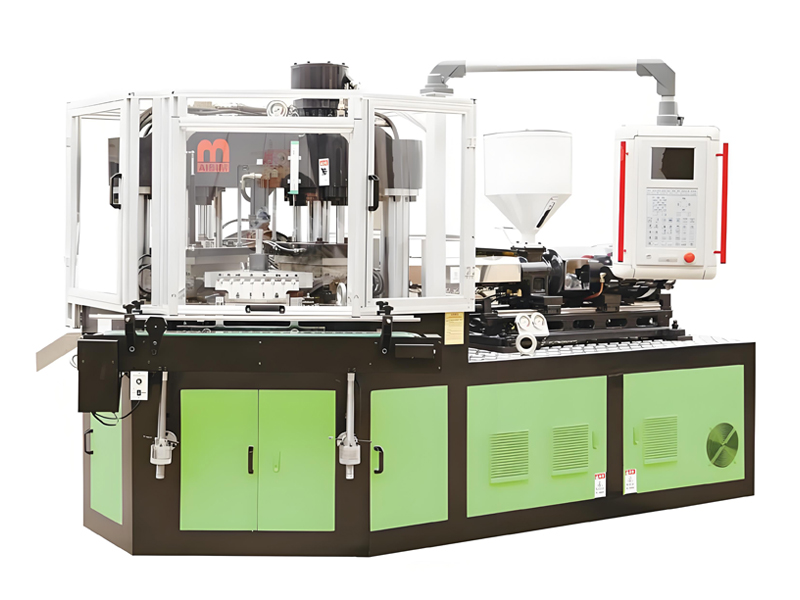
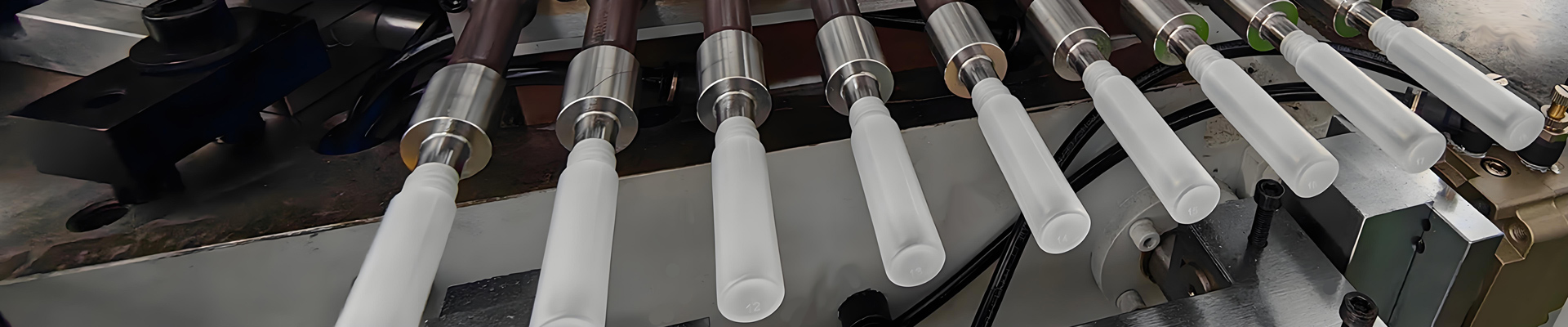
Injection blow molding machines require comprehensive maintenance programs ensuring reliable year-round operation, maximizing equipment life, and maintaining consistent product quality. AiBiM injection blow molding machines incorporate robust design features supporting long service life, but proper maintenance remains essential for optimal performance and preventing costly downtime. Effective maintenance programs combine preventive maintenance schedules, predictive monitoring, condition-based servicing, and operator training creating comprehensive equipment care approach.
The cost of equipment downtime in injection blow molding operations represents substantial financial impact, with each hour of unplanned downtime costing USD 500 to USD 2,000 depending on production value and capacity. Annual downtime reduction of just 20 hours through improved maintenance prevents losses of USD 10,000 to USD 40,000 while improving on-time delivery and customer satisfaction. Comprehensive maintenance programs deliver returns 5-10 times the investment through reduced downtime, extended equipment life, and improved quality.
Preventive Maintenance Fundamentals
Preventive maintenance represents proactive approach to equipment care performing regular inspections, lubrication, adjustments, and component replacements before failures occur. This approach contrasts with reactive maintenance addressing problems only after failures cause downtime. Preventive maintenance reduces unplanned downtime by 60-70%, extends equipment life by 30-50%, and reduces total maintenance costs by 20-40% compared to reactive approaches.
AiBiM injection blow molding machines require preventive maintenance on multiple systems including injection units, clamping systems, temperature control, hydraulic or electric drives, cooling systems, and safety components. Each system requires specific maintenance tasks performed at appropriate intervals based on usage hours, operating conditions, and component characteristics.
Daily Maintenance Requirements
Daily maintenance tasks represent critical foundation for reliable operation requiring completion before or during each production shift. Daily tasks include inspecting machine for unusual sounds, vibrations, or leaks, checking oil levels and condition, verifying temperature settings and readings, inspecting mold surfaces for wear or damage, cleaning work area, and documenting production parameters and any anomalies.
Daily maintenance requires approximately 15-30 minutes per machine but prevents small problems from becoming major failures. Operators should complete daily maintenance checklists documenting findings and reporting any concerns requiring follow-up. Consistent daily maintenance establishes baseline data enabling trend analysis and early problem detection.
Weekly Maintenance Tasks
Weekly maintenance tasks provide more detailed inspection and servicing beyond daily requirements. Weekly tasks include lubricating moving parts per manufacturer recommendations, cleaning and inspecting cooling water systems, checking electrical connections for tightness and signs of overheating, inspecting hydraulic or electrical cables for wear, testing safety systems, and reviewing maintenance records for trending issues.
Weekly maintenance typically requires 1-2 hours per machine depending on size and complexity. More detailed inspections enable detection of developing problems before they cause failures. Consistent weekly maintenance prevents component failures, reduces emergency repairs, and maintains equipment within optimal operating parameters.
Monthly Maintenance Programs
Monthly maintenance involves more comprehensive inspection and servicing including oil analysis, filter replacement, detailed inspection of critical components, calibration verification, and performance testing. Monthly maintenance enables early detection of wear patterns, contamination problems, and performance degradation requiring correction before failures occur.
Monthly maintenance typically requires 4-8 hours per machine including oil sampling and analysis. Oil analysis detects contamination, wear particles, and chemical degradation indicating developing problems. Filter replacement prevents contamination and maintains system cleanliness. Detailed inspections identify components approaching end of service life enabling planned replacement before failure.
Critical System Maintenance Requirements
Injection blow molding machines incorporate multiple critical systems requiring specific maintenance knowledge and procedures. Each system has unique characteristics, failure modes, and maintenance requirements. Understanding these requirements enables proper maintenance planning and execution ensuring comprehensive equipment care.
Critical systems requiring detailed maintenance attention include injection units, clamping systems, temperature control systems, drive systems, cooling systems, and safety systems. Each system requires specific maintenance procedures, inspection criteria, and replacement intervals documented in manufacturer maintenance manuals.
Injection Unit Maintenance
Injection units including barrel, screw, nozzle, and drive components require regular maintenance ensuring consistent performance and preventing failures. Barrel and screw wear affects material processing and product quality requiring periodic inspection and replacement. Nozzle wear causes leakage and poor processing requiring regular inspection and replacement.
Barrel and screw life varies from 3,000 to 10,000 production hours depending on material abrasiveness and processing conditions. Abrasive materials including filled compounds reduce barrel and screw life to 3,000-5,000 hours while unfilled materials enable 7,000-10,000 hours. Barrel and screw replacement costs range from USD 8,000 to USD 25,000 depending on size and material. Regular cleaning and proper operation maximize service life.
Clamping System Maintenance
Clamping systems including toggle mechanisms, platens, and tie bars require regular inspection and maintenance ensuring consistent clamping force and preventing failures. Toggle mechanisms require lubrication and inspection for wear affecting clamping force and repeatability. Platens require periodic inspection for flatness and surface condition affecting part quality. Tie bars require inspection for stress, wear, and proper tension.
Clamping system maintenance includes lubricating toggle mechanisms, checking tie bar tension, inspecting platen alignment, and verifying clamping force consistency. Tie bar tension should be checked monthly and adjusted as needed. Platen alignment should be verified annually or after mold changes. Clamping force should be verified quarterly using load cells or other measurement devices.
Temperature Control System Maintenance
Temperature control systems including heaters, thermocouples, and controllers require regular maintenance ensuring consistent processing conditions. Heater failures cause temperature variations affecting product quality and processing. Thermocouple drift causes inaccurate temperature readings affecting process control and product consistency.
Temperature control maintenance includes inspecting heater resistance for continuity, checking thermocouple accuracy against calibrated reference, verifying controller calibration, and cleaning heating surfaces. Heater resistance should be checked monthly. Thermocouple accuracy should be verified quarterly. Controller calibration should be verified annually. Heater replacement costs range from USD 500 to USD 2,000 per zone depending on size and type.
Lubrication and Fluid Management
Lubrication and fluid management represent critical maintenance requirements ensuring reliable operation and component protection. Proper lubrication reduces friction, prevents wear, dissipates heat, and protects against corrosion. Fluid management including oil condition monitoring and replacement prevents contamination and maintains system performance.
AiBiM injection blow molding machines use various lubricants and fluids including hydraulic oil, gear lubricants, greases, and coolants. Each fluid type requires specific selection, monitoring, and replacement procedures ensuring optimal performance and component protection.
Hydraulic System Maintenance
Hydraulic systems including pumps, valves, cylinders, and actuators require proper fluid maintenance ensuring reliable operation. Hydraulic oil degrades over time through oxidation, contamination, and thermal breakdown requiring periodic replacement. Contamination including particles and water causes component wear and system failures requiring preventive measures.
Hydraulic oil should be sampled quarterly for analysis including viscosity, particle count, water content, and chemical condition. Oil replacement typically required every 2,000-4,000 operating hours depending on operating conditions and analysis results. Oil replacement costs range from USD 500 to USD 2,000 depending on system size and oil type. Filter replacement should be performed every 500-1,000 hours at cost of USD 50 to USD 200 per filter.
Grease Lubrication Programs
Grease lubrication reduces friction and wear on moving parts including toggle mechanisms, guide pins, bushings, and slides. Proper grease selection depends on application requirements including load, speed, temperature, and environmental conditions. Grease should be applied at specified intervals using appropriate methods ensuring proper coverage without over-lubrication.
Grease lubrication schedules vary by component and operating conditions. High-load, low-speed components require weekly or monthly lubrication. Lighter load applications may require lubrication every 3-6 months. Over-lubrication causes excessive heat and can attract contaminants. Under-lubrication causes premature wear and component failure. Following manufacturer lubrication recommendations ensures optimal performance.
Coolant System Maintenance
Coolant systems including cooling towers, chillers, and circulation loops require regular maintenance ensuring effective heat removal and preventing corrosion or contamination. Coolant condition affects mold cooling efficiency, cycle times, and product quality. Contaminated coolant causes reduced heat transfer, corrosion, and component damage.
Coolant should be tested monthly for pH, conductivity, and biological growth. pH should be maintained between 7.5 and 9.0 preventing corrosion. Conductivity should be monitored indicating contamination levels. Biocides should be added as needed controlling biological growth. Coolant replacement typically required annually or when condition parameters exceed acceptable limits. Replacement costs range from USD 1,000 to USD 5,000 depending on system size.
Electrical System Maintenance
Electrical systems including power distribution, motor controllers, sensors, and safety circuits require regular maintenance ensuring reliable operation and preventing electrical failures. Electrical problems cause machine downtime, quality issues, and safety hazards requiring preventive maintenance and periodic inspection.
Electrical maintenance includes inspecting connections for tightness and signs of heating, testing insulation resistance, verifying proper grounding, checking motor operation and current draw, and testing safety circuits. Regular electrical maintenance prevents failures, improves reliability, and ensures safety compliance.
Connection and Terminal Maintenance
Electrical connections and terminals require regular inspection and maintenance preventing loose connections causing overheating, voltage drops, and failures. Vibration and thermal cycling cause connections to loosen over time requiring periodic tightening. Environmental factors including moisture and contamination cause corrosion affecting conductivity and reliability.
Connections should be inspected quarterly for tightness, signs of heating discoloration, corrosion, and contamination. Loose connections should be tightened to specified torque. Corroded connections should be cleaned and protected with corrosion inhibitors. Signs of heating indicate connection problems requiring investigation and correction. Connection maintenance prevents electrical failures and reduces fire hazard.
Motor and Drive System Maintenance
Electric motors and drive systems including servo motors, inverters, and mechanical components require regular inspection and maintenance ensuring reliable operation. Motor problems cause production stoppages, quality issues, and safety concerns requiring preventive maintenance and condition monitoring.
Motor maintenance includes inspecting for unusual noise, vibration, or heating, checking current draw compared to specifications, verifying cooling fan operation, and testing insulation resistance. Drive system maintenance includes checking belt tension and condition, inspecting couplings for wear, and verifying calibration. Motor bearing lubrication should be performed per manufacturer recommendations typically every 10,000-20,000 operating hours.
Sensor and Instrumentation Maintenance
Sensors and instrumentation including thermocouples, pressure transducers, position sensors, and limit switches require periodic inspection and calibration ensuring accurate measurements and reliable operation. Sensor drift causes inaccurate control affecting product quality and process consistency.
Thermocouples should be calibrated quarterly against reference standards ensuring accuracy within plus or minus 1 degree Celsius. Pressure transducers should be calibrated semi-annually ensuring accuracy within plus or minus 1% of full scale. Position sensors and limit switches should be inspected quarterly for proper operation and adjustment. Sensor replacement costs range from USD 100 to USD 800 depending on type and specifications.
Mold Maintenance and Care
Molds represent substantial investment and require proper maintenance and care ensuring long service life and consistent part quality. Mold maintenance includes cleaning, inspection, repair, storage, and preventive measures protecting against damage and wear. Proper mold maintenance extends mold life 2-3 times compared to neglected molds while maintaining consistent quality.
Mold life varies from 500,000 to 3,000,000 cycles depending on material, mold construction, operating conditions, and maintenance quality. Proper maintenance maximizes mold life while poor maintenance causes premature failure and quality problems. Mold replacement costs range from USD 15,000 to USD 100,000 making preventive maintenance highly cost-effective.
Mold Cleaning Procedures
Mold cleaning removes residues, contaminants, and buildup affecting part quality and mold performance. Cleaning procedures vary by material and contamination type including general cleaning, abrasive cleaning, chemical cleaning, and ultrasonic cleaning. Proper cleaning prevents flash, surface defects, and venting problems.
General mold cleaning should be performed after each production run using appropriate solvents and tools removing material residues. Abrasive cleaning using fine abrasive pads removes stubborn residues without damaging mold surfaces. Chemical cleaning using specialized cleaners removes oxidation, carbon buildup, and chemical residues. Ultrasonic cleaning removes contaminants from complex geometries and fine details. Cleaning frequency depends on production volume and material characteristics.
Mold Inspection and Documentation
Mold inspection identifies wear, damage, and condition issues requiring correction preventing quality problems and failures. Regular inspection documents mold condition over time enabling predictive maintenance and replacement planning. Inspection should include cavity surfaces, cores, vents, cooling channels, and gating systems.
Cavity surfaces should be inspected for wear, scratches, dents, and polishing marks affecting part appearance. Cores should be inspected for wear and dimensional accuracy. Vents should be inspected for blockage affecting part filling and venting. Cooling channels should be inspected for flow restrictions affecting cooling efficiency. Inspection findings should be documented creating mold history tracking condition changes over time.
Mold Storage and Preservation
Mold storage requires proper protection preventing rust, corrosion, and damage during idle periods. Storage procedures include cleaning, rust protection, environmental control, and periodic inspection during storage. Proper storage preserves mold condition and prevents deterioration requiring repair before next use.
Molds should be thoroughly cleaned before storage removing all residues and contaminants. Mold surfaces should be coated with rust preventive materials protecting against corrosion during storage. Storage environment should be controlled for humidity and temperature preventing condensation and corrosion. Molds in long-term storage should be inspected monthly for rust and corrosion with preventive coating reapplied as needed.
Predictive Maintenance and Condition Monitoring
Predictive maintenance uses condition monitoring and analysis to predict component failure and schedule maintenance before failures occur. This approach optimizes maintenance intervals, prevents catastrophic failures, and maximizes component utilization. Predictive maintenance reduces maintenance costs by 25-40% and downtime by 30-50% compared to fixed-interval preventive maintenance.
Condition monitoring techniques include vibration analysis, thermal imaging, oil analysis, acoustic monitoring, and performance trend analysis. Each technique provides different information about component condition and health. Combining multiple techniques provides comprehensive condition assessment enabling accurate failure prediction.
Vibration Analysis
Vibration analysis detects mechanical problems including imbalance, misalignment, bearing wear, and looseness before failures occur. Accelerometers mounted on critical components including motors, pumps, and gearboxes measure vibration frequency and amplitude indicating condition. Vibration trends identify developing problems requiring maintenance.
Vibration monitoring system costs range from USD 5,000 to USD 20,000 depending on number of monitoring points and analysis capabilities. Vibration analysis typically performed monthly on critical components with data stored for trend analysis. Early detection of bearing problems enables replacement before failure preventing secondary damage and extended downtime.
Thermal Imaging
Thermal imaging detects temperature variations indicating electrical problems, bearing wear, lubrication problems, and insulation degradation. Infrared cameras scan electrical connections, motor bearings, and other components detecting hot spots indicating problems requiring attention. Thermal imaging prevents electrical failures and bearing damage.
Thermal imaging equipment costs USD 3,000 to USD 15,000 depending on resolution and features. Thermal scanning should be performed monthly on electrical systems and quarterly on mechanical components. Detection of hot electrical connections enables correction before connection failure and potential fire hazard. Hot bearings indicate lubrication or wear problems requiring correction.
Oil and Fluid Analysis
Oil and fluid analysis detects contamination, wear particles, chemical degradation, and moisture content indicating developing problems. Periodic sampling and laboratory analysis provides early warning of component wear, contamination, or fluid degradation requiring action. Fluid analysis extends component life and prevents failures.
Oil analysis costs USD 30 to USD 80 per sample including laboratory analysis and recommendations. Hydraulic systems should be sampled quarterly. Gearboxes should be sampled semi-annually. Analysis results trended over time indicate developing problems and optimal replacement intervals. Early detection of bearing wear enables replacement before catastrophic failure preventing secondary damage.
Troubleshooting Common Problems
Effective troubleshooting requires systematic approach identifying root causes and implementing permanent corrections. Common problems in injection blow molding include flash, short shots, surface defects, dimensional variations, and machine malfunctions. Understanding problem symptoms, causes, and solutions enables efficient troubleshooting and correction.
Troubleshooting should follow structured process including problem definition, data collection, hypothesis development, testing, and verification. Documenting problems and solutions builds knowledge base improving future troubleshooting effectiveness. Training operators and technicians in systematic troubleshooting improves problem resolution and reduces downtime.
Flash and Part Defects
Flash occurs when material escapes mold cavity creating thin excess material affecting part appearance and function. Flash causes include excessive injection pressure, insufficient clamping force, mold misalignment, or worn components. Solutions include reducing injection pressure, increasing clamping force, correcting mold alignment, and replacing worn components.
Surface defects including sink marks, voids, and flow lines affect part appearance and structural integrity. Surface defects cause include improper injection parameters, mold temperature problems, venting issues, or material problems. Solutions include optimizing injection profiles, adjusting mold temperatures, improving venting, or changing material processing parameters.
Dimensional Variations
Dimensional variations affect part fit, function, and quality requiring correction to meet specifications. Dimensional variation causes include process instability, temperature fluctuations, mold wear, or material variations. Solutions include stabilizing process parameters, improving temperature control, repairing mold, and controlling material quality.
Process monitoring and statistical process control help identify dimensional trends before parts exceed specifications. Regular measurement and documentation creates quality history enabling trend analysis and early problem detection. Statistical process control reduces scrap and rework by 30-50% while improving consistency.
Machine Malfunctions
Machine malfunctions including hydraulic failures, electrical problems, and mechanical breakdowns cause unplanned downtime requiring rapid diagnosis and repair. Malfunction causes include component wear, contamination, overheating, or misuse. Solutions include component replacement, cleaning, cooling improvement, and operator training.
Rapid malfunction diagnosis requires understanding machine systems, failure modes, and diagnostic procedures. Technical documentation, troubleshooting guides, and training support efficient problem resolution. Spare parts inventory for critical components reduces downtime by enabling rapid replacement without waiting for parts delivery.
Maintenance Cost Management
Effective maintenance requires balancing cost and benefits ensuring optimal equipment reliability at reasonable cost. Maintenance costs include labor, materials, consumables, and external services. Understanding cost structure enables optimization and budgeting ensuring adequate maintenance without excessive spending.
Annual maintenance costs for injection blow molding machines typically range from 3% to 6% of equipment value depending on machine age, operating conditions, and maintenance quality. For USD 200,000 machine, annual maintenance costs range from USD 6,000 to USD 12,000. Well-maintained machines operate toward lower end of range while poorly maintained machines experience higher costs and downtime.
Maintenance Cost Analysis
Maintenance cost analysis categorizes expenses by type, component, and cause enabling optimization strategies. Cost categories include preventive maintenance, corrective maintenance, predictive maintenance, and external services. Component categories include electrical, mechanical, hydraulic, and mold systems. Cause categories include wear, contamination, misuse, and age.
Preventive maintenance costs represent 40-60% of total maintenance costs for well-maintained equipment. Corrective maintenance costs represent 20-30% for well-maintained equipment but increase to 50-70% for poorly maintained equipment. Shifting from reactive to preventive maintenance reduces total costs by 20-40% while improving reliability.
Spare Parts Management
Spare parts management ensures availability of critical components reducing downtime while minimizing inventory costs. Critical parts including heaters, thermocouples, sensors, and frequently replaced wear items should be stocked for immediate replacement. Non-critical parts and long-lead items may be ordered as needed reducing inventory investment.
Spare parts inventory investment typically ranges from 2% to 5% of equipment value depending on machine criticality and parts availability. For USD 200,000 machine, spare parts inventory investment of USD 4,000 to USD 10,000 provides reasonable coverage. Critical spare parts include heaters USD 500-2,000 each, thermocouples USD 100-500 each, and sensors USD 200-800 each.
Maintenance Staffing and Training
Maintenance staffing and training ensure adequate resources and skills for effective maintenance programs. Staffing levels depend on equipment count, age, complexity, and maintenance philosophy. Training ensures technicians have necessary skills for proper maintenance, troubleshooting, and repair.
Maintenance staffing typically requires one technician for every 8-12 machines depending on machine size and complexity. Training costs approximately USD 2,000 to USD 5,000 per technician per year including formal training and on-the-job development. Well-trained technicians work more efficiently, make fewer mistakes, and implement better maintenance practices reducing total costs.
Seasonal and Environmental Considerations
Seasonal and environmental factors affect maintenance requirements and equipment performance requiring special considerations. Temperature variations, humidity changes, and seasonal production patterns influence maintenance needs and planning. Understanding these factors ensures year-round reliability regardless of environmental conditions.
Seasonal maintenance considerations include temperature control system adjustments for summer and winter conditions, humidity control preventing condensation and corrosion, and production planning accommodating seasonal demand variations. Environmental considerations include dust, humidity, and ambient temperature effects on equipment operation and maintenance.
Summer Maintenance Considerations
Summer conditions with high ambient temperatures challenge cooling systems and electrical components. Increased temperatures reduce cooling efficiency requiring enhanced cooling capacity and monitoring. Electrical components experience higher stress from elevated temperatures requiring careful monitoring and preventive measures.
Summer maintenance includes checking cooling system capacity and performance, verifying temperature control system operation, inspecting electrical connections for heating, and monitoring component temperatures. Enhanced ventilation may be required maintaining acceptable operating temperatures. Cooling tower maintenance becomes particularly important ensuring effective heat removal during peak summer conditions.
Winter Maintenance Considerations
Winter conditions with low ambient temperatures affect hydraulic system operation, material processing, and condensation prevention. Low temperatures increase oil viscosity affecting hydraulic system performance and startup. Material processing parameters require adjustment for cold ambient conditions. Condensation prevention becomes critical protecting electrical and mechanical components.
Winter maintenance includes verifying hydraulic oil heaters and maintaining proper oil temperature, adjusting processing parameters for cold conditions, ensuring space heating preventing condensation, and inspecting for water in hydraulic systems. Cold weather startup procedures should be followed preventing equipment damage from improper warm-up.
Documentation and Record Keeping
Comprehensive documentation and record keeping provide foundation for effective maintenance programs enabling trend analysis, compliance verification, and knowledge retention. Documentation includes maintenance procedures, inspection records, repair history, and equipment specifications. Proper documentation supports continuous improvement and regulatory compliance.
Documentation systems may include paper records, electronic databases, or computerized maintenance management systems. Electronic systems provide advantages including easy access, data analysis capabilities, and automated scheduling. Documentation quality directly affects maintenance effectiveness and continuous improvement potential.
Maintenance Logs and Records
Maintenance logs document all maintenance activities including preventive maintenance tasks, corrective repairs, and observations. Logs should include dates, personnel, activities performed, findings, and recommendations. Consistent documentation creates maintenance history enabling trend analysis and decision support.
Maintenance records support multiple purposes including compliance verification, warranty documentation, cost tracking, and failure analysis. Records should be retained for equipment service life typically 10-15 years. Electronic records provide easy access and analysis capabilities compared to paper records.
Equipment History Files
Equipment history files contain comprehensive information including specifications, installation details, maintenance records, repair history, and modifications. Complete equipment history supports troubleshooting, performance analysis, and replacement planning. History files particularly valuable for complex or critical equipment.
Equipment history files should be organized for easy access and reference including chronological records, equipment specifications, manuals, and drawings. Digital files enable search and analysis capabilities supporting knowledge management and continuous improvement. History files transfer with equipment supporting maintenance continuity when equipment moves or changes ownership.
Training and Skill Development
Effective maintenance requires properly trained personnel with knowledge of equipment systems, maintenance procedures, and troubleshooting techniques. Training programs should cover basic maintenance skills, advanced diagnostics, safety procedures, and continuous improvement methods. Ongoing training ensures skills remain current with technology and best practices.
Training investment delivers substantial returns through improved maintenance effectiveness, reduced downtime, extended equipment life, and enhanced safety. Well-trained maintenance personnel work more efficiently, make fewer mistakes, and implement better maintenance practices reducing total maintenance costs by 15-25%.
Operator Maintenance Training
Operators serve as first line of defense in maintenance programs performing daily and weekly maintenance tasks. Operator training should cover equipment operation, basic maintenance procedures, problem identification, and reporting procedures. Well-trained operators prevent problems through proper operation and early problem detection.
Operator maintenance training typically requires 2-3 days covering daily inspection procedures, lubrication requirements, cleaning procedures, and documentation. Trained operators reduce maintenance workload by performing routine tasks while detecting problems early. Operator maintenance improves reliability and reduces downtime through early problem identification and correction.
Technician Certification Programs
Technician certification programs provide formal recognition of maintenance skills and knowledge across multiple equipment types and maintenance disciplines. Certification programs cover electrical systems, mechanical systems, hydraulics, and troubleshooting methods. Certified technicians demonstrate verified skills supporting effective maintenance.
Certification programs typically require 40-80 hours of training plus examination. Certification costs USD 1,500 to USD 4,000 per technician including training materials and testing. Certified technicians deliver higher quality work, require less supervision, and provide better troubleshooting capabilities justifying certification investment.
Conclusion and Best Practices
Effective maintenance programs represent critical investment ensuring reliable year-round operation of injection blow molding machines. Comprehensive maintenance combining preventive, predictive, and reactive approaches optimizes reliability, minimizes downtime, and extends equipment life. Well-implemented maintenance programs deliver returns 5-10 times investment through reduced downtime, improved quality, and extended equipment life.
Best practices for maintenance excellence include comprehensive planning and scheduling, consistent execution, detailed documentation, continuous improvement, and training investment. Integration of maintenance with production planning ensures maintenance receives adequate resources and attention while supporting production objectives.
Successful maintenance requires commitment from management, investment in training and resources, and disciplined execution. AiBiM supports maintenance programs through detailed documentation, training resources, spare parts availability, and technical support. By implementing comprehensive maintenance programs, manufacturers ensure reliable year-round operation, protect equipment investment, and maintain competitive production capabilities.