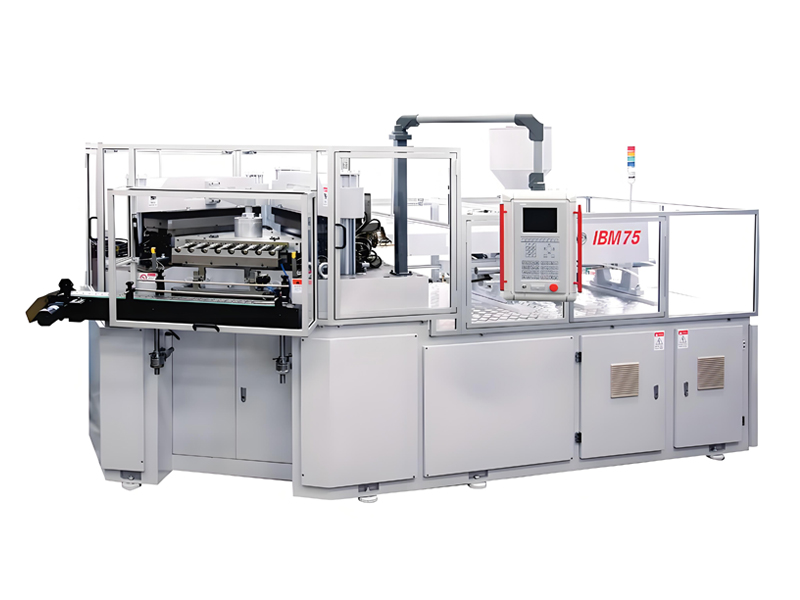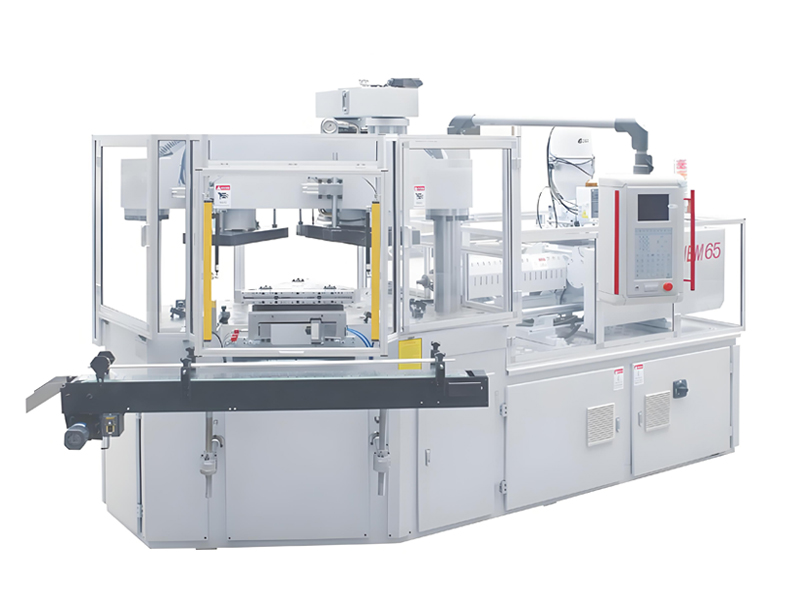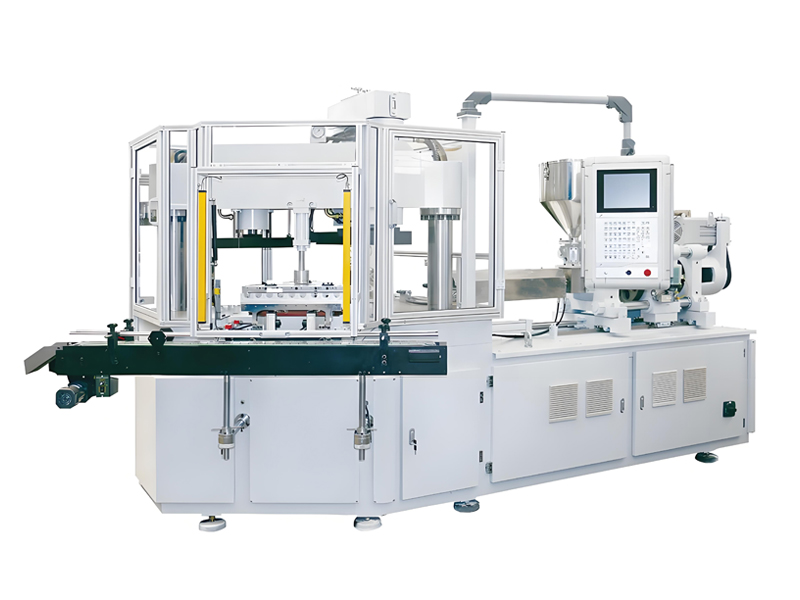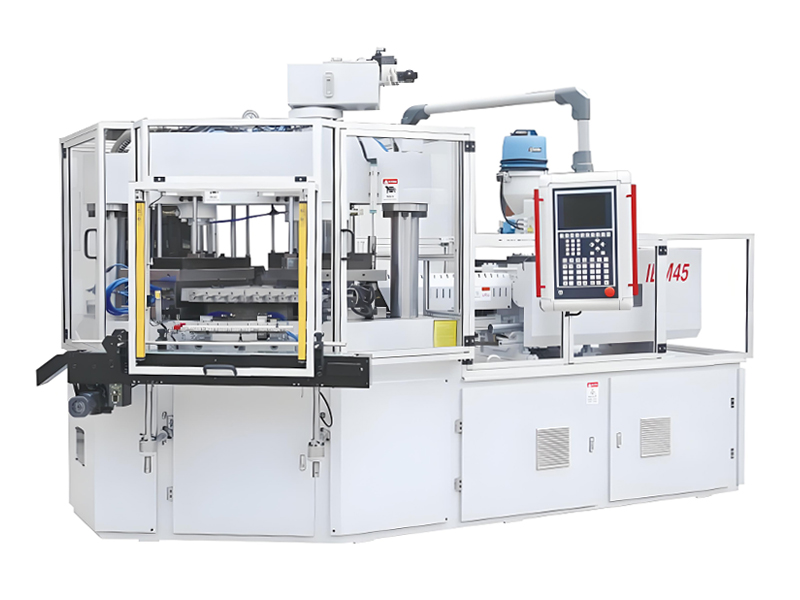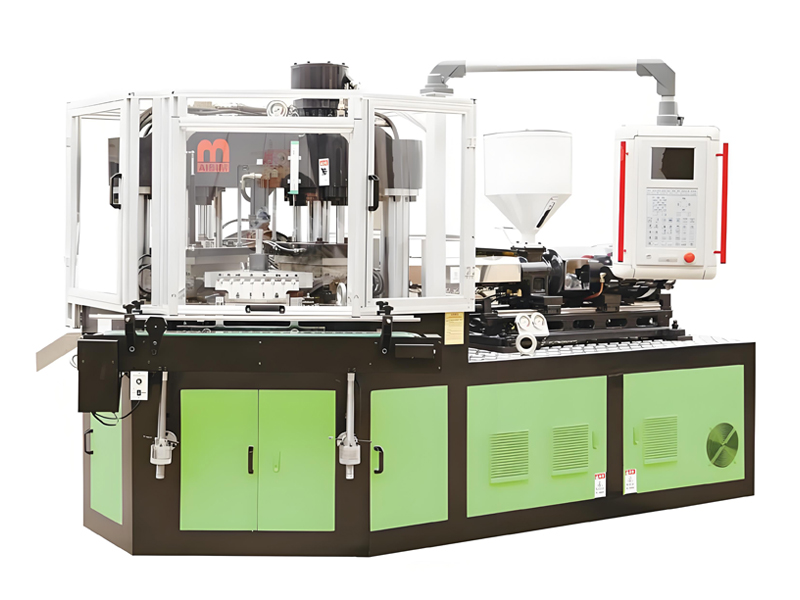
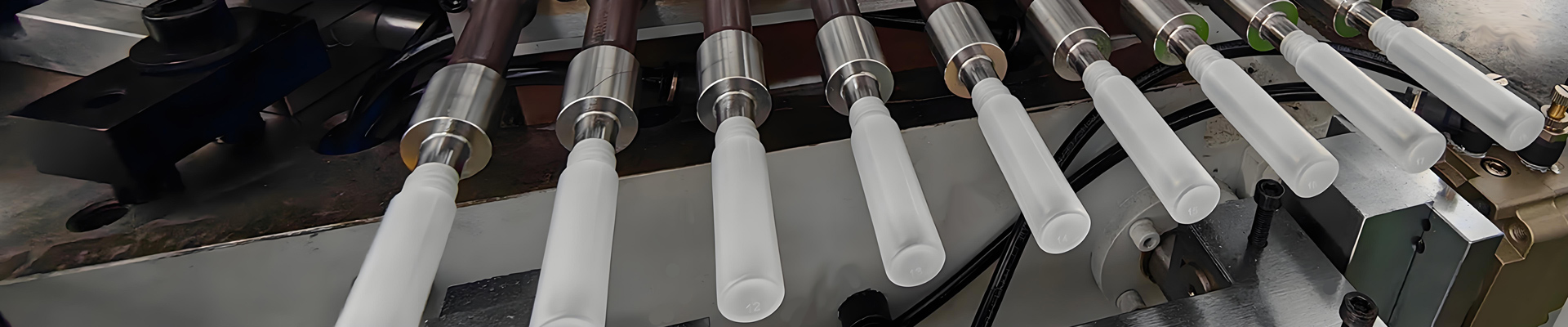
Injection blow molding machines represent advanced technology for manufacturing high-quality plastic bottles with precise dimensional accuracy and excellent surface finish. AiBiM injection blow molding machines deliver exceptional performance across various bottle sizes ranging from 10ml medical vials to 5L industrial containers, meeting diverse industry requirements from pharmaceuticals to consumer goods. The injection blow molding process combines injection molding and blow molding capabilities, producing bottles with superior quality compared to traditional extrusion blow molding methods.
The global injection blow molding machine market continues experiencing robust growth, projected to reach USD 3.8 billion by 2027, driven by increasing demand for precision-molded plastic bottles in pharmaceutical, food and beverage, and personal care industries. Market expansion creates significant opportunities for manufacturers seeking advanced bottle production capabilities. AiBiM’s extensive experience in injection blow molding technology provides comprehensive solutions addressing production requirements from laboratory scale to high-volume manufacturing.
Understanding Injection Blow Molding Technology
Injection blow molding represents a sophisticated manufacturing process producing hollow plastic products through sequential operations. The process begins with injection molding a preform or parison into a precisely engineered cavity mold, followed by transfer to a blow mold where the preform expands to final bottle shape. This two-stage process enables exceptional control over wall thickness distribution, dimensional accuracy, and surface quality compared to alternative molding methods.
The injection blow molding process offers several advantages including precise neck finish accuracy, superior clarity, excellent dimensional consistency, and the ability to produce complex bottle geometries with tight tolerances. These capabilities make injection blow molding particularly suitable for applications requiring precise specifications such as pharmaceutical containers, cosmetic bottles, and premium consumer packaging where quality and consistency represent critical success factors.
Process Overview and Stages
The injection blow molding process comprises four distinct stages: injection, blow mold transfer, blow molding, and ejection. During injection stage, molten plastic material injected into preform mold cavity creating a test tube shaped preform with precise neck finish specifications. AiBiM injection blow molding machines utilize advanced injection systems achieving shot accuracy within 0.5% and cycle times optimized for various bottle sizes.
The blow mold transfer stage moves the preformed container from injection station to blow mold station using rotary table technology. AiBiM’s precision transfer mechanisms ensure accurate positioning within 0.1mm tolerance, critical for maintaining bottle quality consistency. The blow molding stage then expands the preform against blow mold cavity walls using compressed air, achieving final bottle shape with controlled wall thickness distribution.
Material Compatibility and Selection
AiBiM injection blow molding machines process various materials including PET, HDPE, PP, PS, and specialty resins engineered for specific applications. Material selection depends on application requirements including barrier properties, chemical resistance, clarity, and cost considerations. PET represents most common material for injection blow molding due to excellent clarity, strength, and processability, making it ideal for beverage and cosmetic bottles.
Material selection significantly affects machine configuration and processing parameters. AiBiM offers specialized machine configurations optimized for different materials including enhanced temperature control for PET processing, specialized screws for PP processing, and advanced venting systems for PS applications. Understanding material characteristics enables proper machine selection and optimal processing conditions ensuring maximum quality and productivity.
Small Size Injection Blow Molding Machines
Small size injection blow molding machines from AiBiM serve applications requiring bottles from 10ml to 500ml capacity, commonly used in pharmaceutical, cosmetic, and specialty product packaging. These machines feature compact design, precise control systems, and fast cycle times optimized for small bottle production while maintaining exceptional quality standards. Small bottle applications demand high precision and repeatability, making injection blow molding the preferred manufacturing method.
Small size injection blow molding machines from AiBiM include models IBM-SM-10, IBM-SM-50, and IBM-SM-100, designed for bottles up to 100ml, 250ml, and 500ml respectively. These machines feature clamp forces ranging from 25 to 60 tons, injection units optimized for small shot sizes, and precision mold platens ensuring consistent part quality. Prices for small size models range from USD 35,000 to USD 65,000 depending on configuration and automation level.
Pharmaceutical Bottle Production
Pharmaceutical applications represent significant market segment for small injection blow molding machines, producing bottles for oral liquids, tablets, capsules, and ophthalmic solutions. Pharmaceutical bottles require precise dimensional accuracy, superior clarity, and stringent cleanliness standards meeting FDA and other regulatory requirements. AiBiM pharmaceutical-grade injection blow molding machines incorporate clean room compatibility, validated systems, and documentation supporting GMP compliance.
Pharmaceutical bottle production using AiBiM machines achieves neck finish accuracy within 0.05mm, dimensional consistency within 0.2mm, and wall thickness variation less than 10% across bottle surface. These precision capabilities ensure reliable performance with caps, pumps, and dispensing systems critical for pharmaceutical applications. Pharmaceutical-grade machines typically command pricing premium of 20-30% compared to standard models, with complete systems ranging from USD 50,000 to USD 85,000.
Cosmetic and Personal Care Bottles
Cosmetic and personal care applications require bottles with excellent appearance, precise dimensions, and compatibility with premium packaging components including pumps, sprayers, and caps. AiBiM injection blow molding machines produce cosmetic bottles with superior surface finish, crystal clarity, and precise neck specifications ensuring perfect fit with dispensing components. These capabilities enable production of premium cosmetic packaging supporting brand positioning and consumer appeal.
Cosmetic bottle production benefits from injection blow molding’s ability to produce complex geometries, integrated features, and precise wall thickness control. AiBiM machines support production of bottles ranging from 15ml travel sizes to 500ml retail sizes with cycle times optimized for various bottle designs. Cosmetic bottle production equipment typically priced from USD 40,000 to USD 70,000, with premium models for high-clarity applications reaching USD 80,000 to USD 120,000.
Medium Size Injection Blow Molding Machines
Medium size injection blow molding machines from AiBiM serve applications requiring bottles from 500ml to 2L capacity, commonly used in beverage, household, and industrial product packaging. These machines feature robust construction, powerful injection units, and advanced control systems optimized for medium bottle production while maintaining high productivity and quality standards. Medium bottle applications require balance between quality, productivity, and operational efficiency.
Medium size injection blow molding machines from AiBiM include models IBM-MM-500, IBM-MM-1000, and IBM-MM-2000, designed for bottles up to 500ml, 1L, and 2L respectively. These machines feature clamp forces ranging from 80 to 150 tons, injection units with shot capacities from 200g to 800g, and rotary systems accommodating multiple cavity configurations. Prices for medium size models range from USD 75,000 to USD 150,000 depending on configuration, automation, and cavity count.
Beverage Bottle Production
Beverage applications represent major market segment for medium injection blow molding machines, producing bottles for water, juices, sports drinks, and functional beverages. Beverage bottles require excellent clarity, barrier properties, and consistent quality ensuring consumer acceptance and brand integrity. AiBiM beverage-grade injection blow molding machines incorporate advanced processing capabilities, precise temperature control, and fast cycle times optimized for high-volume production.
Beverage bottle production using AiBiM machines achieves cycle times of 6-10 seconds for single-cavity 500ml bottles and 12-18 seconds for 1L bottles, enabling annual production capacities of 5-10 million bottles depending on configuration. Advanced models with multi-cavity molds achieve production rates of 3,000-5,000 bottles per hour. Beverage bottle production equipment typically priced from USD 90,000 to USD 180,000, with high-speed multi-cavity systems reaching USD 250,000 to USD 400,000.
Household and Industrial Bottle Production
Household and industrial applications require bottles for detergents, cleaning products, lubricants, chemicals, and automotive fluids. These applications demand chemical resistance, strength, and durability combined with precise dimensions for compatibility with caps and dispensing systems. AiBiM injection blow molding machines produce household and industrial bottles using various materials including HDPE, PP, and specialty compounds engineered for specific chemical resistance requirements.
Household and industrial bottle production benefits from injection blow molding’s ability to produce integrated handles, precise neck finishes, and controlled wall thickness optimizing strength and material usage. Production rates for 1L household bottles typically range from 1,500-2,500 bottles per hour depending on material and complexity. Industrial bottle production equipment typically priced from USD 85,000 to USD 160,000, with chemical-resistant configurations adding 15-25% to equipment cost.
Large Size Injection Blow Molding Machines
Large size injection blow molding machines from AiBiM serve applications requiring bottles from 2L to 5L capacity, commonly used in bulk packaging, industrial containers, and large format consumer products. These machines feature heavy-duty construction, high-capacity injection units, and robust clamp systems optimized for large bottle production while maintaining quality and productivity. Large bottle applications require specialized capabilities including material handling, cycle time optimization, and mold design expertise.
Large size injection blow molding machines from AiBiM include models IBM-LM-2000, IBM-LM-3000, and IBM-LM-5000, designed for bottles up to 2L, 3L, and 5L respectively. These machines feature clamp forces ranging from 200 to 350 tons, injection units with shot capacities from 1,200g to 3,000g, and advanced cooling systems optimizing cycle times for large mass parts. Prices for large size models range from USD 180,000 to USD 350,000 depending on configuration and automation level.
Bulk Packaging Container Production
Bulk packaging applications include large containers for water storage, bulk chemicals, industrial solvents, and agricultural products. These applications require strength, durability, and leak-proof performance combined with precise dimensions for palletization and storage efficiency. AiBiM large injection blow molding machines produce bulk containers with uniform wall thickness, reinforced base design, and precise neck specifications ensuring compatibility with industrial closures.
Bulk container production using AiBiM machines achieves cycle times of 25-40 seconds for 5L containers depending on material and wall thickness requirements. Advanced cooling systems including conformal cooling channels and optimized mold design enable cycle time reduction of 15-20% compared to conventional designs. Bulk container production equipment typically priced from USD 200,000 to USD 380,000, with specialized configurations for high-performance materials reaching USD 450,000.
Industrial Drum and Container Production
Industrial applications require drums and containers for chemicals, lubricants, solvents, and hazardous materials. These applications demand chemical resistance, structural integrity, and compliance with regulatory requirements including UN certification for hazardous materials transport. AiBiM industrial-grade injection blow molding machines produce drums and containers using specialized materials including HDPE with chemical-resistant additives and barrier materials preventing permeation.
Industrial container production capabilities include multi-layer construction for enhanced barrier properties, reinforced design for structural integrity, and precision neck finishes ensuring secure closure. Production rates for 5L industrial containers typically range from 600-900 units per hour depending on material complexity and wall thickness requirements. Industrial container production equipment typically priced from USD 220,000 to USD 420,000, with multi-layer and barrier material capabilities adding 30-40% to equipment cost.
Machine Selection Criteria and Considerations
Selecting appropriate injection blow molding machine requires comprehensive analysis of production requirements, technical specifications, and economic factors. Key considerations include bottle size range, material specifications, production volume, quality requirements, automation needs, and budget constraints. AiBiM application engineers provide expert support evaluating requirements and recommending optimal equipment configurations balancing performance and investment.
Machine selection begins with defining bottle specifications including dimensions, material, neck finish, and production volume. These specifications determine required machine capabilities including clamp force, shot capacity, mold size, and cycle time requirements. AiBiM offers comprehensive sizing tools and application expertise ensuring proper equipment selection meeting both current requirements and future growth needs.
Capacity and Production Volume Analysis
Production volume requirements significantly influence machine selection and configuration strategies. Low volume production under 500,000 bottles annually typically suits single-cavity machines with manual operations enabling cost-effective production. Medium volume production from 500,000 to 5 million bottles annually benefits from semi-automated or fully automated systems with appropriate cavity counts optimizing productivity and investment.
High volume production exceeding 5 million bottles annually typically requires multi-cavity machines, fully automated systems, and integrated auxiliary equipment including conveyors, leak testing, and packaging systems. AiBiM high-volume systems achieve production rates of 3,000-8,000 bottles per hour depending on bottle size and complexity. Investment analysis comparing single-cavity versus multi-cavity configurations typically shows breakeven at annual volumes of 1-2 million bottles depending on bottle size and material.
Quality and Precision Requirements
Quality requirements significantly influence machine selection and technology investment decisions. Standard consumer packaging applications typically achieve acceptable results with basic injection blow molding machines featuring standard precision capabilities. Premium applications including pharmaceutical, cosmetic, and specialty products require enhanced precision features including tighter tolerances, advanced control systems, and validated processes.
Enhanced precision features include servo-driven systems, closed-loop process control, advanced mold designs, and integrated quality monitoring. Premium precision machines typically command pricing premium of 25-40% compared to standard models but enable access to higher-value market segments. Pharmaceutical and cosmetic applications typically justify premium equipment investment through higher product prices and improved market positioning.
AiBiM Injection Blow Molding Machine Models and Pricing
AiBiM offers comprehensive range of injection blow molding machine models designed to meet diverse production requirements and budget considerations. Model selection depends on bottle size, material specifications, production volume, automation requirements, and quality standards. AiBiM’s extensive product portfolio ensures optimal solutions for applications from laboratory scale to high-volume manufacturing.
AiBiM injection blow molding machine pricing varies significantly based on size, configuration, automation level, and specialized capabilities. Entry-level models for small bottle production start at USD 35,000, while high-capacity multi-cavity systems for large bottle production reach USD 450,000. Understanding pricing structure enables informed investment decisions supporting business objectives and growth strategies.
Small Bottle Machine Models and Pricing
AiBiM IBM-SM series serves small bottle applications from 10ml to 500ml capacity. Entry-level model IBM-SM-10 with 25-ton clamp force, 30g shot capacity, and single-cavity configuration priced at USD 35,000 to USD 45,000. Mid-range model IBM-SM-50 with 40-ton clamp force, 80g shot capacity, and single or dual-cavity options priced at USD 48,000 to USD 65,000. Premium model IBM-SM-100 with 60-ton clamp force, 150g shot capacity, and advanced controls priced at USD 62,000 to USD 85,000.
Small bottle machines typically include basic automation with product take-out and conveyor systems. Pharmaceutical-grade configurations with clean room compatibility, validated systems, and documentation add USD 15,000 to USD 25,000 to base equipment cost. Cosmetic-grade configurations with enhanced surface finish capabilities and high-clarity processing add USD 10,000 to USD 18,000 to base equipment cost.
Medium Bottle Machine Models and Pricing
AiBiM IBM-MM series serves medium bottle applications from 500ml to 2L capacity. Entry-level model IBM-MM-500 with 80-ton clamp force, 200g shot capacity, and single-cavity configuration priced at USD 75,000 to USD 95,000. Mid-range model IBM-MM-1000 with 110-ton clamp force, 400g shot capacity, and single or dual-cavity options priced at USD 105,000 to USD 135,000. Premium model IBM-MM-2000 with 150-ton clamp force, 800g shot capacity, and multi-cavity capabilities priced at USD 140,000 to USD 180,000.
Medium bottle machines typically include semi-automated systems with product take-out, conveyor, and optional leak testing. High-speed configurations with multi-cavity molds and advanced cooling add USD 30,000 to USD 50,000 to base equipment cost. Beverage-grade configurations with enhanced barrier properties and specialized processing add USD 20,000 to USD 35,000 to base equipment cost.
Large Bottle Machine Models and Pricing
AiBiM IBM-LM series serves large bottle applications from 2L to 5L capacity. Entry-level model IBM-LM-2000 with 200-ton clamp force, 1,200g shot capacity, and single-cavity configuration priced at USD 180,000 to USD 230,000. Mid-range model IBM-LM-3000 with 280-ton clamp force, 2,000g shot capacity, and single-cavity configuration priced at USD 250,000 to USD 320,000. Premium model IBM-LM-5000 with 350-ton clamp force, 3,000g shot capacity, and advanced automation priced at USD 320,000 to USD 420,000.
Large bottle machines typically include fully automated systems with product handling, cooling conveyors, and integrated quality inspection. Industrial configurations with chemical-resistant materials and reinforced designs add USD 25,000 to USD 40,000 to base equipment cost. Multi-layer and barrier material capabilities add USD 40,000 to USD 60,000 to base equipment cost.
Investment Analysis and Return on Investment
Investment analysis for injection blow molding equipment requires comprehensive evaluation of capital costs, operating costs, production capacity, and market economics. Understanding total cost of ownership and return on investment enables informed equipment acquisition decisions supporting business profitability and growth objectives. AiBiM provides detailed financial modeling supporting investment decisions and business planning.
Investment analysis includes capital equipment cost, mold investment, facility modifications, training, and working capital. Operating costs include material costs, labor costs, energy consumption, maintenance expenses, and consumables. Revenue potential depends on market pricing, production capacity, and competitive positioning. Comprehensive analysis enables accurate return on investment projections supporting strategic planning.
Total Cost of Ownership Analysis
Total cost of ownership analysis considers all costs associated with equipment ownership over typical 10-year service life. Capital costs represent initial investment including machine, mold, and auxiliary equipment. Annual operating costs include materials typically representing 40-60% of total cost, labor 15-25%, energy 5-8%, maintenance 3-5%, and overhead 8-12%. Understanding cost structure enables optimization strategies improving profitability.
For small bottle production using AiBiM IBM-SM-50 machine with investment of USD 55,000, annual production of 1 million 250ml bottles, average selling price of USD 0.45 per bottle, material cost of USD 0.15 per bottle, total revenue reaches USD 450,000 annually. Subtracting material cost of USD 150,000, operating costs of USD 80,000, and depreciation of USD 5,500 yields annual profit of USD 214,500, providing simple payback period of 7 months and 5-year cumulative profit exceeding USD 1 million.
Production Volume and Economies of Scale
Production volume significantly impacts unit costs and profitability through economies of scale. Fixed costs including depreciation, facility costs, and overhead spread across higher production volumes reduce per-unit costs. Variable costs including materials and labor scale linearly with production volume. Understanding economies of scale enables production optimization strategies maximizing profitability.
Production volume optimization involves balancing machine capacity, market demand, and inventory considerations. Operating at 80-90% capacity typically achieves optimal economics while maintaining flexibility for demand variations. Underutilization below 60% capacity significantly increases per-unit fixed costs reducing profitability. Overutilization above 95% capacity increases maintenance requirements and reduces flexibility potentially impacting customer service.
Installation and Support Services
Successful injection blow molding equipment deployment requires comprehensive installation, training, and ongoing support services. AiBiM provides complete support from initial consultation through installation, startup, and ongoing operation ensuring successful equipment deployment and long-term success. Professional installation and training prevent startup problems and accelerate time to full production capacity.
Installation services include equipment delivery, site preparation support, equipment installation, utility connections, system integration, and production startup. Typical installation timeline ranges from 2-4 weeks depending on machine size and complexity. Comprehensive training ensures operators, maintenance personnel, and supervisors develop necessary skills for optimal equipment operation and maintenance.
Site Preparation Requirements
Site preparation represents critical factor for successful equipment installation and operation. Requirements include adequate floor space, foundation preparation, electrical supply, compressed air system, cooling water system, material handling access, and environmental controls. Proper site preparation prevents installation delays and operational problems after installation.
Site preparation costs vary significantly based on existing infrastructure and requirements. Basic site preparation for small machines typically costs USD 5,000 to USD 12,000 including electrical upgrades, compressed air system, and foundation preparation. Medium machines require site preparation investment of USD 15,000 to USD 30,000. Large machines require comprehensive site preparation investment of USD 35,000 to USD 60,000 including structural modifications, utility upgrades, and environmental controls.
Training and Technical Support
Comprehensive training ensures optimal equipment operation and maintenance. AiBiM training programs cover equipment operation, process optimization, maintenance procedures, troubleshooting techniques, and safety practices. Training typically includes 2-3 days of classroom instruction followed by 3-5 days of hands-on practical training ensuring thorough understanding and skill development.
Ongoing technical support ensures optimal equipment performance and rapid resolution of operational issues. AiBiM provides telephone support, remote diagnostics, on-site service, and spare parts availability. Support service agreements typically cost 5-8% of equipment value annually but provide substantial benefits including priority service response, preventive maintenance, and parts discounts reducing total cost of ownership.
Future Trends and Technology Development
Injection blow molding technology continues evolving with advancements in automation, control systems, material science, and energy efficiency. Understanding emerging trends enables strategic planning and technology investment decisions positioning manufacturers for future success. AiBiM actively develops and implements advanced technologies addressing emerging market requirements and competitive pressures.
Future trends include increased automation and Industry 4.0 integration, advanced material capabilities, energy efficiency improvements, and enhanced quality monitoring systems. These developments enable productivity improvements, cost reduction, and market expansion opportunities supporting business growth and competitiveness in evolving markets.
Industry 4.0 and Smart Manufacturing
Industry 4.0 technologies including IoT sensors, data analytics, artificial intelligence, and remote monitoring transform injection blow molding operations. Smart manufacturing systems collect and analyze production data enabling predictive maintenance, process optimization, and quality improvement. These technologies reduce downtime, improve productivity, and enhance decision making capabilities.
Smart manufacturing integration typically adds 8-12% to equipment cost but provides substantial benefits including 15-25% reduction in unplanned downtime, 10-15% improvement in productivity, and 20-30% improvement in quality consistency. Data-driven optimization supports continuous improvement and competitive advantage through operational excellence.
Sustainability and Energy Efficiency
Sustainability initiatives drive demand for energy-efficient equipment and sustainable material capabilities. AiBiM develops energy-efficient technologies including servo-driven systems, optimized heating systems, and heat recovery capabilities reducing energy consumption by 20-30% compared to conventional machines. These innovations reduce operating costs and environmental impact supporting sustainability objectives.
Sustainable material capabilities including bioplastics, recycled materials, and lightweight designs address growing environmental concerns and regulatory requirements. Equipment capabilities processing recycled content up to 100% for suitable applications reduce material costs and environmental impact. Lightweight designs reduce material usage by 15-25% while maintaining performance through optimized design and processing.
Conclusion and Recommendations
Injection blow molding machines from AiBiM provide comprehensive solutions for high-quality plastic bottle production across various sizes from 10ml to 5L. Equipment selection based on production requirements, quality standards, automation needs, and economic considerations enables optimal return on investment. AiBiM’s extensive experience and comprehensive support ensure successful equipment deployment and long-term operational success.
Investment in injection blow molding technology represents attractive opportunity for manufacturers seeking entry into precision bottle manufacturing market. Favorable economics, diverse applications, and market growth potential create compelling business case for investment. AiBiM equipment provides competitive advantages through precision, quality, and productivity enabling market success and sustainable business growth.
Successful injection blow molding operations require comprehensive approach addressing equipment selection, process development, quality control, and operational excellence. AiBiM partnership provides expertise and support across these critical areas ensuring successful market entry and sustainable business growth. By investing in AiBiM injection blow molding technology, manufacturers establish foundation for profitable business in expanding precision bottle manufacturing market.