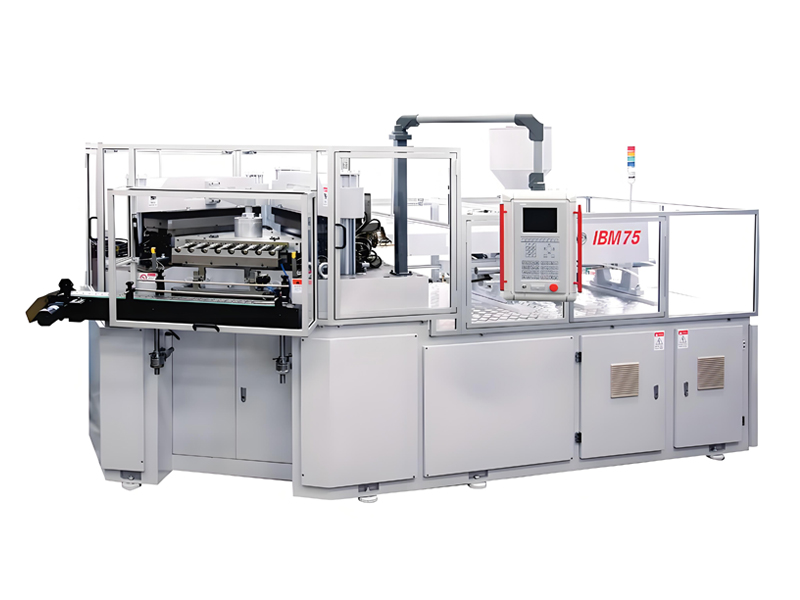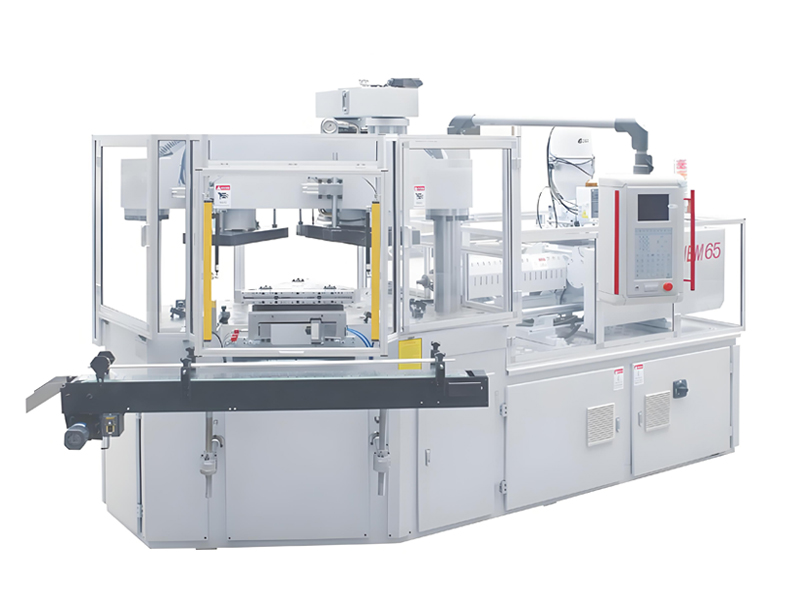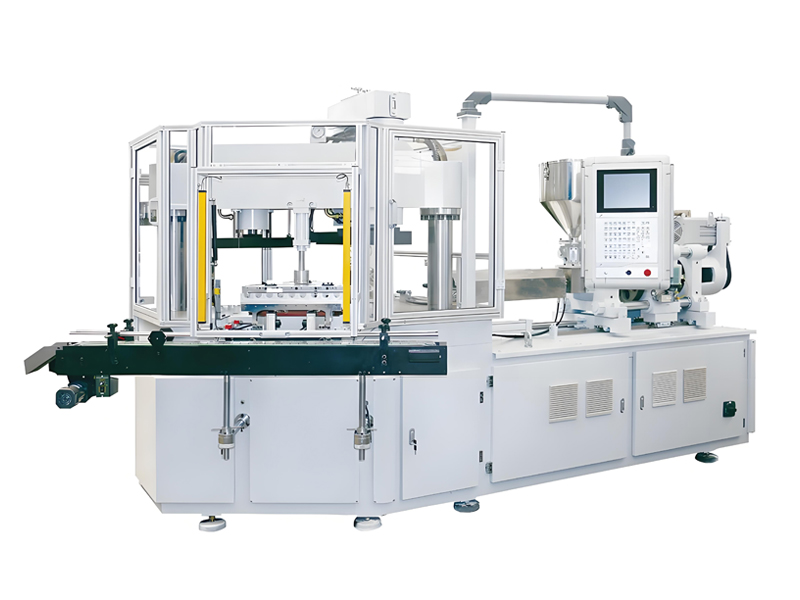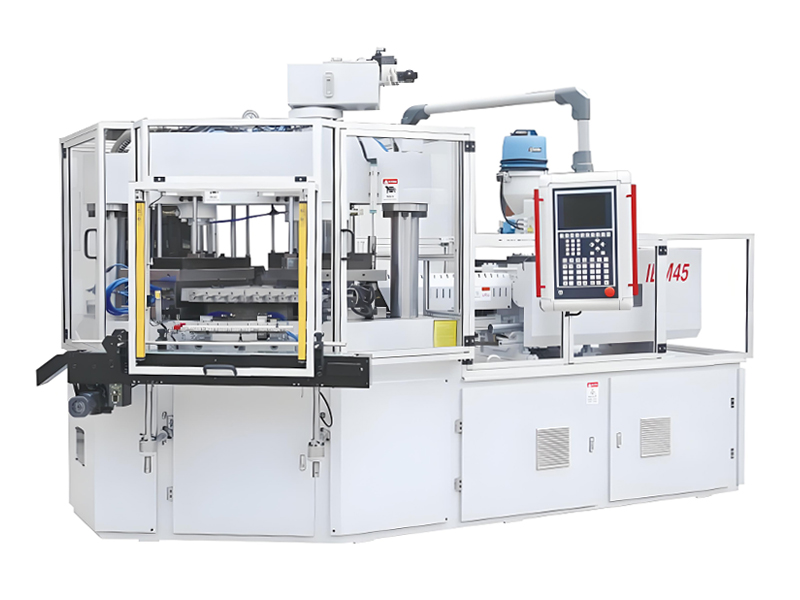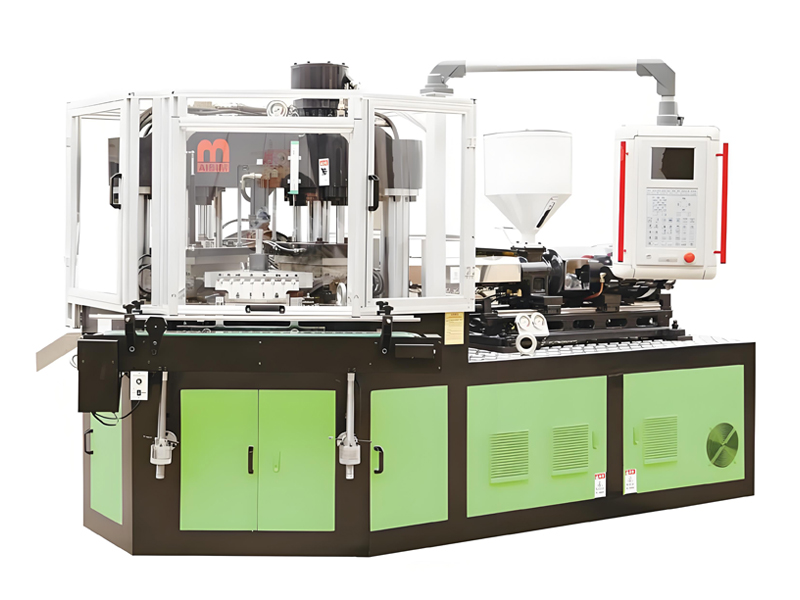
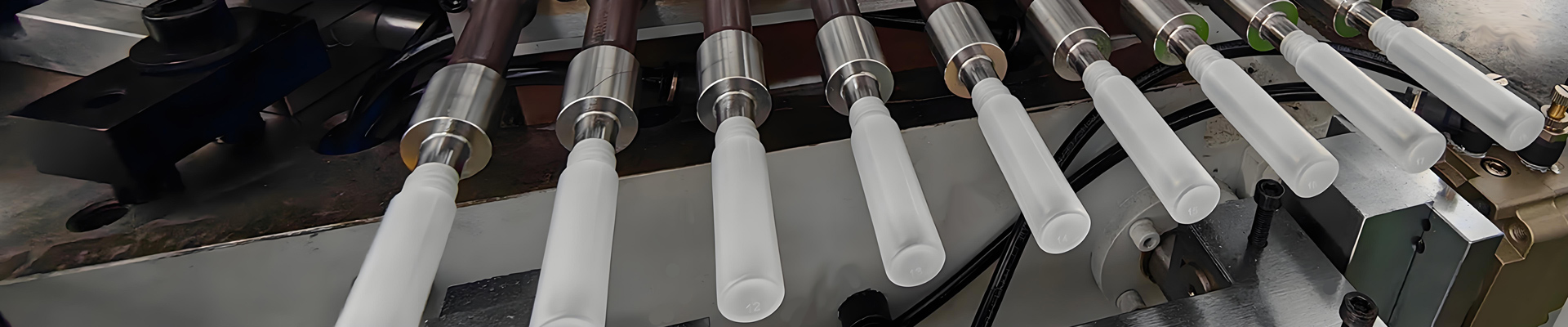
High speed injection blow molding machines from AiBiM represent advanced technology solutions designed to maximize production output for plastic bottle manufacturing facilities. These machines incorporate cutting-edge engineering including servo-driven systems, advanced mold designs, and optimized processing parameters enabling production rates significantly exceeding conventional equipment. AiBiM high-speed IBM machines deliver productivity improvements of 40-60% compared to standard injection blow molding machines while maintaining exceptional quality standards.
The demand for high-speed plastic bottle production continues accelerating driven by increasing consumption of bottled beverages, personal care products, and household goods. Global plastic bottle production exceeds 600 billion units annually with projected growth of 5-7% through 2030. This growth creates substantial opportunities for manufacturers deploying high-speed production equipment reducing unit costs and improving competitiveness in expanding markets. AiBiM high-speed IBM machines provide the technological foundation for capturing these opportunities.
High Speed Injection Blow Molding Technology
High speed injection blow molding technology incorporates multiple advanced features enabling rapid cycle times while maintaining product quality. Key technological elements include servo-driven injection and clamping systems, advanced cooling technologies, optimized mold designs, and sophisticated control systems coordinating all machine functions for maximum efficiency. These technologies work together achieving cycle times 30-40% faster than conventional machines.
Servo-driven systems represent cornerstone technology for high-speed operation, providing precise control over injection speed, pressure, and position while reducing energy consumption compared to hydraulic systems. AiBiM high-speed IBM machines feature all-electric or hybrid servo-hydraulic systems delivering cycle times as fast as 4-6 seconds for small bottles up to 250ml and 8-12 seconds for bottles up to 1L capacity. These performance levels enable production capacities reaching 6,000-10,000 bottles per hour for single-cavity operation.
Servo-Driven System Architecture
Servo-driven systems utilize advanced electric motors and precision ball screws providing extremely accurate and rapid motion control. Injection units feature servo motors delivering injection speeds up to 300mm/s with acceleration capabilities exceeding 10,000 mm/s2, enabling rapid mold filling while maintaining precise control over injection pressure and speed profiles. Clamping systems utilize servo-driven toggle or direct-drive mechanisms achieving mold closing times under 0.5 seconds.
Servo systems provide additional benefits including reduced energy consumption, quieter operation, and reduced maintenance requirements compared to hydraulic systems. Energy savings of 40-60% typical for all-electric servo systems compared to conventional hydraulic machines. Maintenance cost reductions of 30-40% result from elimination of hydraulic components requiring regular service including pumps, valves, and hoses.
Advanced Cooling Technologies
Cooling represents limiting factor for cycle time reduction in injection blow molding. AiBiM high-speed machines incorporate multiple advanced cooling technologies including conformal cooling channels in molds, optimized cooling channel designs, enhanced cooling water systems, and rapid mold opening capabilities. These technologies reduce cooling times by 25-35% compared to conventional cooling approaches.
Conformal cooling channels follow mold cavity contours providing uniform cooling and more efficient heat removal compared to conventional straight channels. Enhanced cooling water systems deliver optimized flow rates and temperatures with precise control within plus or minus 0.5 degrees Celsius. Rapid mold opening systems use servo-driven ejection mechanisms enabling early part ejection when sufficient strength achieved reducing overall cycle time.
Production Capacity and Throughput Analysis
Production capacity represents critical performance metric for high-speed injection blow molding machines. Capacity depends on multiple factors including bottle size, material characteristics, mold design, and machine configuration. AiBiM high-speed IBM machines deliver exceptional throughput capabilities enabling cost-effective high-volume production supporting competitive market positioning.
Production capacity analysis for high-speed machines considers single-cavity and multi-cavity configurations. Single-cavity high-speed machines typically achieve production rates 40-60% higher than conventional single-cavity machines. Multi-cavity configurations multiply these improvements enabling production capacities of 15,000-40,000 bottles per hour depending on bottle size and cavity count. These capacity levels substantially reduce unit costs supporting competitive pricing.
Single-Cavity High-Speed Production
Single-cavity high-speed injection blow molding machines from AiBiM achieve production rates of 3,000-6,000 bottles per hour for bottles from 100ml to 500ml capacity. For 250ml beverage bottles, high-speed single-cavity machines achieve cycle times of 6-8 seconds enabling production rates of 450-600 bottles per hour. Advanced models with optimized cooling achieve cycle times of 5-6 seconds pushing production rates to 600-720 bottles per hour.
Single-cavity high-speed machines offer advantages including mold cost reduction, faster changeovers, and simpler operation compared to multi-cavity machines. These benefits particularly valuable for applications requiring frequent product changes, smaller production runs, or specialized bottle designs. Investment for single-cavity high-speed machines ranges from USD 120,000 to USD 220,000 depending on machine size and capabilities.
Multi-Cavity High-Speed Production
Multi-cavity high-speed injection blow molding machines multiply production capacity through parallel production of multiple bottles per cycle. Common cavity configurations include 2, 4, 8, and 16 cavities depending on bottle size and machine capacity. For 250ml bottles, 4-cavity high-speed machines achieve production rates of 2,400-3,200 bottles per hour while 8-cavity configurations achieve 4,800-6,400 bottles per hour.
Multi-cavity configurations require larger machines with higher clamp forces and injection capacities. Investment for multi-cavity high-speed machines ranges from USD 280,000 to USD 550,000 for 4-cavity configurations and USD 450,000 to USD 850,000 for 8-cavity configurations. High cavity count configurations achieve lower unit costs through economies of scale but require higher initial investment and larger mold investments.
High Speed Machine Models and Specifications
AiBiM offers comprehensive range of high-speed injection blow molding machine models designed to meet diverse production requirements and capacity needs. Model selection depends on bottle size, production volume, material specifications, and quality requirements. AiBiM high-speed machines incorporate advanced features ensuring optimal performance and reliability in demanding high-volume production environments.
AiBiM high-speed IBM machine models include IBM-HS-100, IBM-HS-250, IBM-HS-500, and IBM-HS-1000 series designed for bottles up to 100ml, 250ml, 500ml, and 1L respectively. These models feature servo-driven systems, advanced cooling capabilities, and optimized control systems enabling maximum productivity while maintaining quality standards.
IBM-HS-100 High Speed Series
IBM-HS-100 series high-speed machines serve applications producing bottles from 10ml to 100ml capacity, commonly used for pharmaceutical vials, cosmetic samples, and specialty products. These machines feature clamp forces from 30 to 50 tons, injection units with shot capacities from 20g to 50g, and cycle times of 4-6 seconds depending on bottle size and material.
IBM-HS-100 machines achieve production rates of 600-900 bottles per hour for single-cavity operation and 2,400-7,200 bottles per hour for 2-8 cavity configurations. Pricing for IBM-HS-100 series ranges from USD 120,000 to USD 180,000 for single-cavity models and USD 260,000 to USD 480,000 for multi-cavity configurations including molds. Pharmaceutical-grade configurations with clean room compatibility add USD 18,000 to USD 28,000.
IBM-HS-250 High Speed Series
IBM-HS-250 series high-speed machines serve applications producing bottles from 100ml to 250ml capacity, commonly used for beverages, personal care products, and household items. These machines feature clamp forces from 60 to 100 tons, injection units with shot capacities from 80g to 200g, and cycle times of 6-9 seconds depending on bottle specifications.
IBM-HS-250 machines achieve production rates of 400-600 bottles per hour for single-cavity operation and 1,600-4,800 bottles per hour for 2-8 cavity configurations. Pricing for IBM-HS-250 series ranges from USD 150,000 to USD 220,000 for single-cavity models and USD 340,000 to USD 620,000 for multi-cavity configurations including molds. Beverage-grade configurations with enhanced barrier capabilities add USD 22,000 to USD 35,000.
IBM-HS-500 High Speed Series
IBM-HS-500 series high-speed machines serve applications producing bottles from 250ml to 500ml capacity, commonly used for large beverage bottles, bulk packaging, and industrial products. These machines feature clamp forces from 100 to 160 tons, injection units with shot capacities from 250g to 500g, and cycle times of 8-12 seconds depending on material and wall thickness.
IBM-HS-500 machines achieve production rates of 300-450 bottles per hour for single-cavity operation and 1,200-3,600 bottles per hour for 2-8 cavity configurations. Pricing for IBM-HS-500 series ranges from USD 200,000 to USD 280,000 for single-cavity models and USD 420,000 to USD 780,000 for multi-cavity configurations including molds. Industrial configurations with chemical-resistant capabilities add USD 25,000 to USD 38,000.
Cost Analysis and Economic Benefits
Cost analysis for high-speed injection blow molding equipment requires comprehensive evaluation comparing high-speed machines to conventional alternatives. While high-speed machines require higher initial investment, productivity improvements and unit cost reductions provide compelling economic justification through lower operating costs and improved competitiveness. Understanding total cost of ownership enables informed investment decisions.
High-speed machine economics depend on production volume, pricing pressure, and competitive environment. For high-volume production exceeding 5 million bottles annually, high-speed equipment typically achieves payback periods of 12-18 months through unit cost reductions. Lower volume applications may require longer payback periods but still provide benefits through flexibility and reduced labor requirements.
Unit Cost Reduction Analysis
High-speed machines reduce unit costs through multiple mechanisms including increased capacity, reduced labor requirements, lower energy consumption per unit, and improved material utilization. Combined cost reductions of 15-25% typical compared to conventional machines create substantial competitive advantages in price-sensitive markets.
Labor cost reductions of 30-40% result from higher production rates reducing operator requirements per unit. For production of 5 million bottles annually, conventional machines requiring 8 operators can be replaced with high-speed machines requiring 5 operators saving USD 120,000 to USD 180,000 annually depending on labor rates. Energy cost reductions of 20-30% per unit result from optimized processes and servo-driven systems. Material savings of 2-5% result from improved process control reducing scrap and rework.
Investment Return Analysis
Investment return analysis compares high-speed machine investment to conventional alternatives considering both capital and operating costs. For 250ml beverage bottle production, conventional single-cavity machine investment of USD 100,000 producing 250 bottles per hour requires 20,000 hours annually to produce 5 million bottles. High-speed single-cavity machine investment of USD 160,000 producing 500 bottles per hour requires only 10,000 hours to produce same volume.
Annual operating cost savings of USD 250,000 to USD 350,000 result from reduced labor, lower energy consumption, and improved material yield. Investment premium of USD 60,000 for high-speed machine recovers in 2-3 months through operating cost savings. Over 5-year equipment life, high-speed machine generates cumulative savings of USD 1.2 million to USD 1.7 million after accounting for higher initial investment.
Automation and Integration Capabilities
High-speed injection blow molding machines benefit significantly from automation and integration capabilities maximizing productivity and reducing labor requirements. AiBiM high-speed machines offer comprehensive automation options including automatic product handling, integrated quality inspection, leak testing, packaging integration, and manufacturing execution system connectivity. These capabilities enable fully automated production lines with minimal operator intervention.
Automation systems for high-speed machines must keep pace with production rates requiring robust, reliable, and fast operation. Automatic take-out systems handle production rates up to 10,000 bottles per hour, integrated inspection systems inspect every bottle at line speed, and packaging systems prepare bottles for shipment without slowing production. These capabilities maximize productivity while ensuring consistent quality.
Automatic Product Handling Systems
Automatic product handling systems including robotic arms, pneumatic take-outs, and conveyor systems remove bottles from molds and transport to downstream operations. High-speed handling systems operate at cycle times of 3-5 seconds accommodating production rates of 720-1,200 bottles per hour per cavity. Multi-cavity configurations require proportionally higher throughput capabilities.
Automatic handling systems reduce labor requirements by 1-2 operators per shift while improving consistency and reducing product damage. Investment for automatic handling systems ranges from USD 25,000 to USD 55,000 depending on production rate and complexity. Labor cost savings of USD 60,000 to USD 120,000 annually justify investment for most high-volume operations.
Integrated Quality Inspection
Integrated quality inspection systems perform real-time inspection of every bottle ensuring quality consistency and preventing defective products from reaching customers. Inspection capabilities include dimensional measurement, wall thickness verification, visual defect detection, and leak testing. Vision-based inspection systems inspect bottles at speeds matching high-speed production rates.
Quality inspection system costs range from USD 35,000 to USD 75,000 depending on inspection capabilities and production rates. Benefits include reduced customer returns, improved brand protection, and reduced scrap costs. For operations with 0.5% defect rate reducing to 0.05% with improved inspection, annual savings reach USD 25,000 to USD 75,000 depending on product value and volume.
Energy Efficiency and Sustainability
High-speed injection blow molding machines from AiBiM incorporate advanced energy efficiency technologies reducing environmental impact and operating costs. Energy efficiency represents critical consideration for high-volume production where small per-unit energy savings accumulate to substantial total savings. AiBiM high-speed machines achieve energy consumption 30-45% lower than conventional machines through multiple efficiency improvements.
Energy efficiency improvements include servo-driven systems, regenerative braking, optimized heating systems, heat recovery, and intelligent power management. These technologies reduce energy consumption while maintaining or improving production performance. Energy savings directly reduce operating costs while supporting sustainability initiatives increasingly important to customers and regulators.
Servo-Driven Energy Savings
Servo-driven systems provide substantial energy savings through multiple mechanisms. Electric motors only consume energy when actively working unlike hydraulic systems requiring continuous pump operation. Regenerative braking recovers energy from decelerating motors and feeds back to power system. Precise motion control reduces energy waste from overshoot and correction.
Servo systems typically reduce energy consumption by 40-60% compared to hydraulic systems. For high-speed machine consuming 50 kWh per hour operating 8,000 hours annually, servo systems save 200,000-300,000 kWh annually. At USD 0.12 per kWh, annual energy cost savings reach USD 24,000 to USD 36,000. These savings accumulate substantially over machine service life.
Heat Recovery and Thermal Management
Heat recovery systems capture waste heat from machine operation and reuse for pre-heating materials, facility heating, or other thermal applications. Injection molding machines generate substantial waste heat from barrel heaters, cooling systems, and hydraulic systems. Heat recovery systems capture 20-30% of waste heat for productive use reducing overall energy consumption.
Thermal management systems optimize heating and cooling efficiency through improved insulation, zone control, and adaptive temperature management. These systems reduce energy consumption by 5-10% while improving process stability. Combined heat recovery and thermal management improvements achieve total energy savings of 25-35% for heating and cooling systems.
Maintenance and Reliability Considerations
Maintenance and reliability represent critical factors for high-speed injection blow molding machines where downtime represents substantial lost production and revenue. AiBiM high-speed machines incorporate design features reducing maintenance requirements and increasing reliability while high-speed operation requires comprehensive maintenance programs ensuring maximum uptime and consistent performance.
High-speed machines feature simplified designs reducing potential failure points, robust components handling high-cycle operation, and advanced monitoring systems detecting potential problems before failures occur. These features improve reliability and reduce maintenance frequency compared to conventional machines. However, high-speed operation requires more rigorous maintenance discipline to maintain optimal performance.
Preventive Maintenance Programs
Preventive maintenance programs for high-speed machines include scheduled component inspections, lubrication, calibration, and replacement based on usage hours and condition monitoring. Critical components including servo motors, ball screws, and electrical systems require regular inspection and maintenance ensuring reliable operation. AiBiM provides detailed maintenance schedules and procedures for each machine model.
Annual maintenance costs for high-speed machines typically range from 2.5-3.5% of machine value including labor and materials. For USD 200,000 high-speed machine, annual maintenance costs reach USD 5,000 to USD 7,000. Preventive maintenance reduces unplanned downtime by 60-70% compared to reactive maintenance approaches while extending component life and reducing total cost of ownership.
Condition Monitoring and Predictive Maintenance
Condition monitoring systems track machine performance parameters including temperatures, pressures, vibrations, and electrical characteristics detecting developing problems before failures occur. Predictive maintenance uses condition monitoring data to schedule maintenance based on actual component condition rather than arbitrary time intervals, optimizing maintenance effectiveness while minimizing downtime.
Condition monitoring system costs range from USD 12,000 to USD 28,000 depending on monitoring capabilities and machine complexity. Benefits include 15-25% reduction in maintenance costs, 30-40% reduction in unplanned downtime, and extended component life. For high-speed machine producing 1,000 bottles per hour, downtime reduction of 10 hours annually prevents loss of 10,000 bottles worth USD 5,000 to USD 15,000 depending on product value.
Market Applications and Industry Segments
High-speed injection blow molding machines serve diverse market segments requiring high-volume production of quality plastic bottles. Major application segments include beverage production, personal care products, household products, and pharmaceutical containers. Each segment has specific requirements and characteristics influencing equipment selection and configuration strategies.
Market segment analysis enables proper equipment selection and configuration optimizing performance and economics for specific applications. Understanding segment requirements including quality standards, production volumes, and competitive dynamics ensures high-speed machines deliver maximum value supporting business objectives and market success.
Beverage Production Applications
Beverage production represents largest application segment for high-speed injection blow molding machines, producing bottles for water, juices, sports drinks, and functional beverages. Beverage applications demand high clarity, consistent quality, high production volumes, and competitive pricing making high-speed equipment ideal for this segment. Global beverage bottle production exceeds 400 billion units annually.
High-speed beverage production lines typically operate 24 hours daily, 7 days weekly maximizing equipment utilization and return on investment. Production volumes exceed 50 million bottles annually per line justifying substantial investment in high-speed equipment. Beverage bottle production typically uses 4-16 cavity high-speed machines achieving production rates of 10,000-40,000 bottles per hour. Investment for complete beverage production lines ranges from USD 800,000 to USD 2.5 million including machines, molds, and auxiliary equipment.
Personal Care and Household Products
Personal care and household product applications require bottles for cosmetics, shampoos, detergents, cleaning products, and other consumer goods. These applications demand precise dimensions, excellent appearance, and compatibility with various dispensing systems. Personal care and household bottle production benefits from high-speed equipment reducing costs while maintaining premium quality standards.
Personal care production typically features more frequent product changes and smaller batch sizes compared to beverage production. Flexible high-speed machines with quick-change mold systems enable rapid changeovers minimizing downtime between production runs. Personal care production typically uses 2-8 cavity machines achieving production rates of 3,000-15,000 bottles per hour depending on bottle size and complexity.
Installation and Startup Considerations
Successful deployment of high-speed injection blow molding machines requires careful planning and execution including site preparation, equipment installation, operator training, and production startup. High-speed machines have specific requirements ensuring optimal performance and reliability. Proper installation and startup prevent problems and accelerate time to full production capacity.
Installation planning begins with site evaluation ensuring adequate floor space, utility capacity, environmental conditions, and material handling access. High-speed machines require robust electrical supplies, adequate cooling water capacity, stable foundations, and proper ventilation. Comprehensive installation planning prevents delays and problems after equipment arrival.
Site Preparation Requirements
High-speed injection blow molding machines require specific site conditions ensuring optimal performance. Electrical requirements include 3-phase power supply with adequate capacity, proper grounding, and voltage regulation. Typical power requirements range from 50 kW to 150 kW depending on machine size and configuration. Cooling water requirements range from 20 to 80 gpm depending on machine cooling demands.
Site preparation costs for high-speed machines range from USD 25,000 to USD 60,000 including electrical upgrades, cooling system installation, foundation preparation, and material handling systems. These costs represent additional investment beyond equipment cost but are essential for proper machine operation. Inadequate site preparation causes operational problems and reduced performance justifying proper investment.
Operator Training and Development
High-speed injection blow molding machines require skilled operators trained in advanced technology and fast-paced production environments. Comprehensive training programs ensure operators develop necessary skills for optimal machine operation, quality control, and troubleshooting. Training typically includes 3-5 days of classroom instruction followed by 2-3 weeks of supervised operation.
Training costs range from USD 8,000 to USD 15,000 including instructor time, training materials, and production time for hands-on training. Well-trained operators improve productivity by 15-20%, reduce scrap by 25-35%, and extend equipment life through proper operation. Training investment repays through improved performance and reduced operating costs within 3-6 months.
Future Technology Developments
High-speed injection blow molding technology continues evolving with advancements in automation, control systems, material science, and energy efficiency. Future developments promise further productivity improvements, cost reductions, and capability enhancements supporting continued competitiveness in global markets. AiBiM actively develops and implements emerging technologies maintaining leadership in high-speed injection blow molding.
Emerging technologies include artificial intelligence for process optimization, advanced materials with improved processing characteristics, enhanced energy efficiency through next-generation drive systems, and integrated Industry 4.0 capabilities enabling smart manufacturing. These developments will transform high-speed injection blow molding capabilities over coming years.
Artificial Intelligence and Machine Learning
Artificial intelligence and machine learning technologies enable intelligent process optimization adapting to changing conditions and improving performance automatically. AI systems analyze production data identifying optimization opportunities, predict quality issues before they occur, and adjust process parameters maintaining optimal performance. These capabilities reduce dependence on operator expertise while improving consistency and performance.
AI-enabled optimization typically improves productivity by 10-15%, reduces scrap by 20-30%, and reduces energy consumption by 5-10%. These improvements add substantial value for high-volume operations where small improvements accumulate to significant total benefits. AI system investment of USD 15,000 to USD 30,000 provides excellent returns through performance improvements and reduced operating costs.
Advanced Materials and Processing
Advanced materials including bio-based resins, recycled content materials, and high-performance polymers enable new capabilities and sustainability benefits. High-speed machines adapted for these materials expand application opportunities and address growing environmental concerns. Material developments include faster-cycling resins reducing cycle times, improved recyclability supporting circular economy initiatives, and enhanced barrier properties enabling new applications.
Processing innovations including micro-cellular foaming, gas assist injection, and multi-layer molding enable new product capabilities with improved performance and material efficiency. These technologies require specialized machine configurations but enable premium product positioning and competitive advantages. Advanced material and processing capabilities add 10-20% to equipment cost but enable access to higher-value market segments.
Conclusion and Strategic Recommendations
High-speed injection blow molding machines from AiBiM provide powerful solutions for plastic bottle manufacturers seeking to maximize output and competitiveness. Advanced technology, productivity improvements, and unit cost reductions create compelling economic benefits for high-volume production applications. Strategic deployment of high-speed equipment enables market leadership through superior efficiency and cost structure.
Investment in high-speed technology requires careful analysis considering production volumes, market dynamics, and competitive environment. For manufacturers with annual production exceeding 5 million bottles, high-speed equipment typically provides excellent returns through unit cost reductions enabling competitive pricing and improved profitability. Lower volume operations benefit from flexibility and labor reduction though payback periods may be longer.
Successful high-speed implementation requires comprehensive approach addressing equipment selection, automation integration, operator training, and maintenance planning. AiBiM provides extensive support ensuring successful deployment and long-term success. By investing in AiBiM high-speed injection blow molding technology, manufacturers establish foundation for competitive advantage and sustainable growth in dynamic plastic bottle markets.