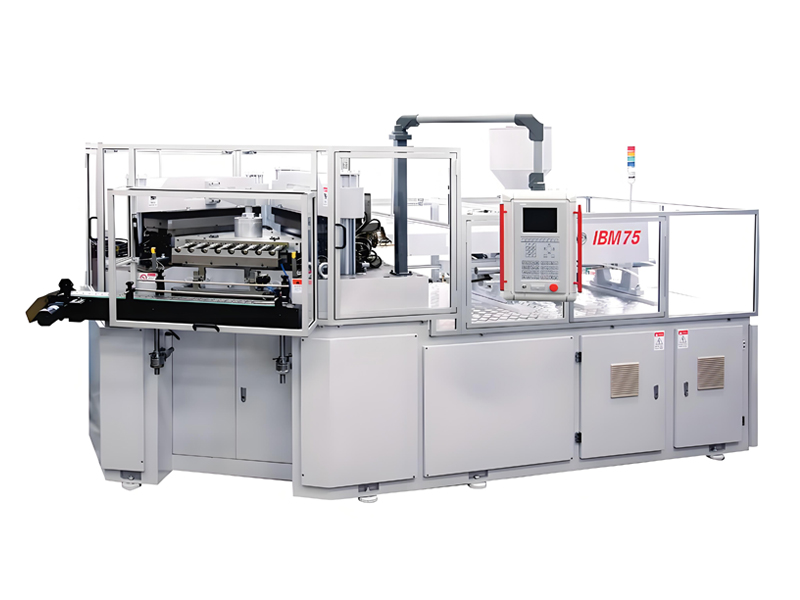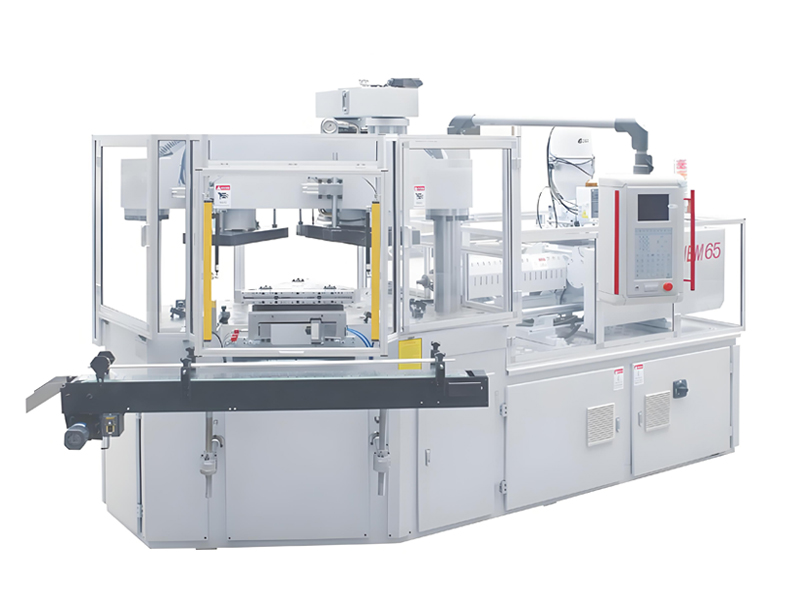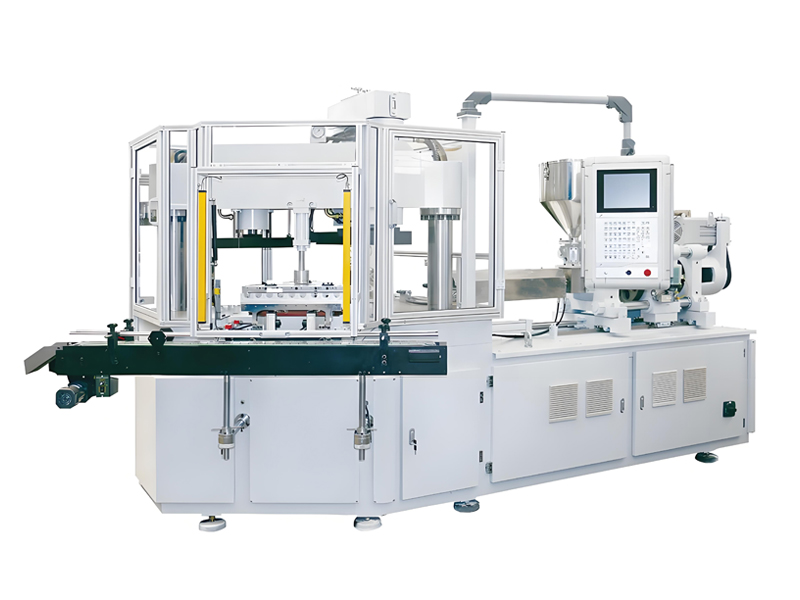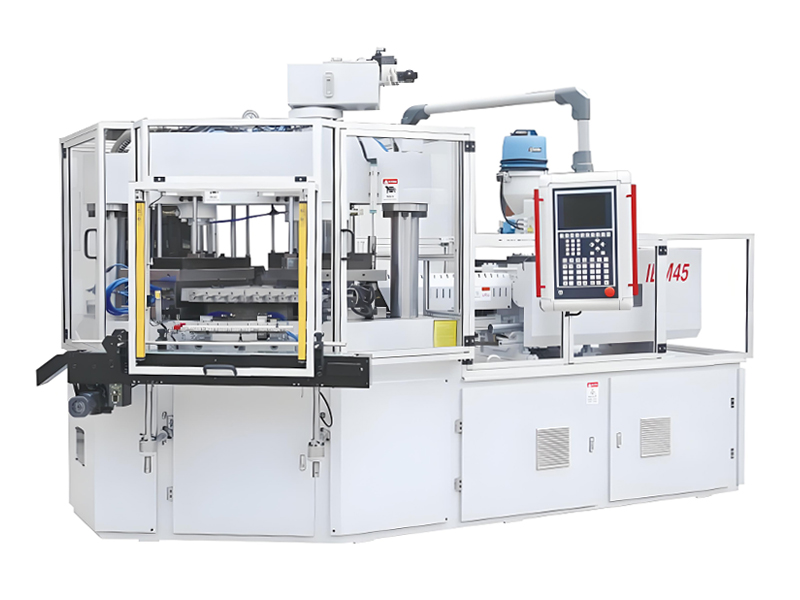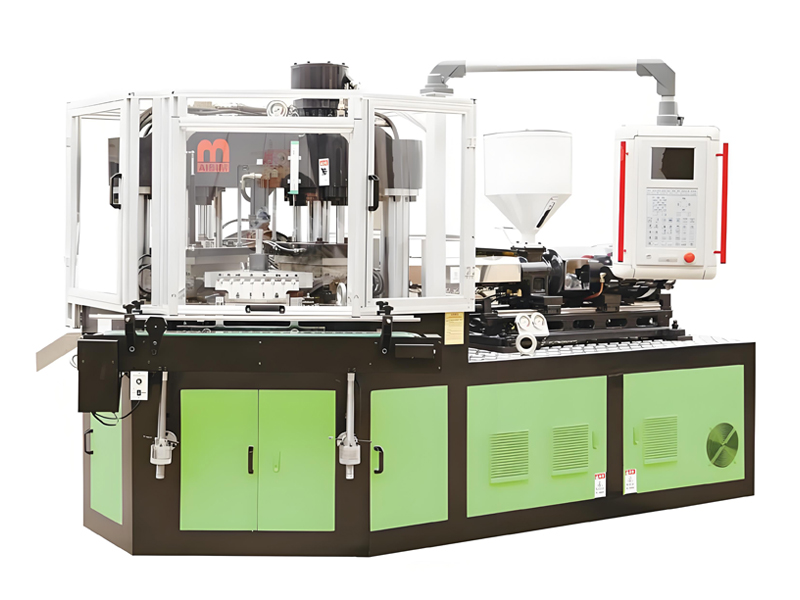
For small to medium-sized enterprises (SMEs) and startups in the plastic packaging industry, operational costs are a critical factor in profitability. One of the most significant ongoing expenses is the cooling system of the Injection Blow Molding Machine. Traditional water-cooled systems require chillers, cooling towers, and extensive plumbing, representing a high initial capital outlay and continuous energy consumption. An Air-Cooled Injection Blow Molding Machine offers a compelling alternative, using ambient air to dissipate heat. This technology is particularly suited for small factories, regions with water scarcity, or businesses aiming to reduce their carbon footprint. This article analyzes the energy-saving mechanisms, cost benefits, and operational considerations of air-cooled systems, with a focus on AiBiM’s energy-efficient designs. The decision between air-cooled and water-cooled is not just technical; it is a financial and environmental strategy that can determine the viability of a small packaging business.
The Cooling Challenge in Blow Molding and Energy Consumption
Injection Blow Molding involves two critical cooling phases: the cooling of the molten plastic in the injection unit (barrel and screw) and the cooling of the plastic preform/bottle in the mold. Efficient cooling is essential for cycle time reduction; the faster the plastic solidifies, the faster the next cycle can begin. Water has a high specific heat capacity, making it an excellent coolant. However, it requires a complex infrastructure: pumps, chillers to lower the water temperature below ambient, and a way to reject the heat (cooling tower or drain). For a small factory producing 500ml PET bottles, a water-cooled system might consume 15 to 20 cubic meters of water per hour (in an open loop) or require a 20-ton chiller (in a closed loop). The chiller alone consumes 15 to 20 kW of electricity just to run the compressor. In contrast, an air-cooled system uses high-flow fans to blow ambient air over finned heat exchangers. While air is less efficient at transferring heat than water, modern fin designs and high-static-pressure fans have closed the gap significantly. The primary advantage is the elimination of the chiller and water treatment costs, which can reduce the total energy consumption of the machine by 30% to 40%. For a small factory, this reduction in utility bills can be the difference between profit and loss.
How Air-Cooled Systems Work: Thermodynamics and Design
An AiBiM Air-Cooled Injection Blow Molding Machine integrates the cooling mechanism directly into the hydraulic unit and the barrel heating zones. Instead of water jackets around the barrel, the system uses forced convection with aluminum or copper fins attached to the barrel exterior. High-efficiency axial fans draw air through these fins. The hydraulic oil, which heats up due to friction and pressure, is circulated through an air-oil cooler (a radiator-like device) where fans blow air across the tubes to cool the oil before it returns to the tank. The key engineering challenge is noise and space. Air-cooled systems require large surface areas for heat exchange, which means the machine footprint might be slightly larger, or the fans must be very powerful (and loud). AiBiM addresses this by using variable frequency drive (VFD) controlled fans. When the machine is idle or the ambient temperature is low, the fans slow down, saving energy and reducing noise. When the machine is under full load in summer, the fans ramp up to maximum speed. The control system monitors the oil temperature and barrel temperature precisely, adjusting fan speed to maintain optimal viscosity. This “on-demand” cooling is far more efficient than a water-cooled system that runs the chiller at constant speed regardless of the actual heat load. The use of finned heat exchangers also eliminates the risk of water leaks, which can cause short circuits and damage expensive electronics.
Energy Efficiency and Detailed Cost Analysis
The financial benefits of an air-cooled machine are best understood through a Total Cost of Ownership (TCO) analysis. Let’s compare a standard water-cooled machine with an AiBiM air-cooled equivalent for a small factory running 16 hours a day.
- Water-Cooled Costs:
Chiller Power Consumption: 18 kW x 16 hours = 288 kWh/day.
Water Pump Power: 3 kW x 16 hours = 48 kWh/day.
Water Cost (if municipal): 20 m3/hour x 16 hours = 320 m3/day (huge cost, often prohibited).
Water Treatment Chemicals: $50/month.
Chiller Maintenance: $1,000/year.
Total Energy Cost (at $0.10/kWh): (288+48) * 0.10 = $33.60/day. - Air-Cooled Costs:
Cooling Fans Power: 5 kW x 16 hours = 80 kWh/day.
Water Cost: $0 (closed loop or no water).
Total Energy Cost: 80 * 0.10 = $8.00/day.
Daily Savings: $25.60.
Annual Savings (300 days): $7,680.
Over 5 years: $38,400.
The air-cooled machine typically carries a price premium of $5,000 to $8,000 over the water-cooled version due to the larger heat exchangers and specialized fans. However, the payback period on this premium is less than 8 months. For a small factory with tight cash flow, avoiding the $15,000 to $20,000 upfront cost of a chiller and cooling tower is even more significant. It lowers the barrier to entry into the bottle manufacturing business. AiBiM’s air-cooled models are designed to operate efficiently in ambient temperatures up to 40 degrees Celsius, making them suitable for tropical climates or non-air-conditioned workshops, further reducing facility costs. The elimination of water treatment costs (chemicals, filters, disposal) adds another $1,000 per year in savings. When factoring in the avoided capital expenditure for the chiller, the air-cooled machine is often the more economical choice for lower-volume production.
Installation, Infrastructure Benefits, and Simplicity
The installation of an air-cooled Injection Blow Molding Machine is dramatically simpler than a water-cooled one. There is no need to lay water pipes, install drains, or build a concrete pad for a cooling tower. The machine requires only a standard 3-phase electrical connection. This “plug-and-play” nature is ideal for small factories, containerized production units, or temporary setups. The space requirement is also reduced. A chiller and cooling tower can occupy 2 to 3 square meters of floor space. An air-cooled machine integrates this into the main unit, or requires only a small external fan bank that can be mounted on a roof or outside wall. This frees up valuable factory floor space for production or storage. For factories in urban areas where water discharge permits are expensive or impossible to obtain, air-cooling is often the only viable option. It also eliminates the risk of water leaks damaging the factory floor or the machine’s electronics. The maintenance overhead is lower; there are no water filters to change, no pipes to descale, and no risk of bacterial growth (Legionella) in stagnant water. The only maintenance required for the cooling system is cleaning the fan filters and checking the fan bearings, tasks that can be performed by the machine operator without specialized tools. The simplicity of the system increases overall equipment reliability (OEE) by removing a common point of failure—the water pump or chiller compressor. This reliability is crucial for small businesses that cannot afford extended downtime.
Environmental Impact, Sustainability, and Carbon Footprint
Sustainability is a growing concern for consumers and regulators. An air-cooled machine significantly reduces the carbon footprint of the manufacturing process. By eliminating the chiller, which often uses refrigerants with high Global Warming Potential (GWP), the machine becomes more eco-friendly. The reduction in electricity consumption directly translates to lower CO2 emissions. For a factory aiming for ISO 14001 certification, an air-cooled machine is a strong asset. Furthermore, in regions facing water scarcity, using zero-water or minimal-water cooling is a social responsibility that can improve the company’s public image. AiBiM’s air-cooled systems are designed to be quiet. By using large-diameter, low-RPM fans and acoustic enclosures, the noise level is kept below 75 decibels, which is acceptable for most industrial environments without requiring hearing protection. The company also explores the use of recycled materials in the machine’s construction and offers a take-back program for old components, aligning with circular economy principles. The energy savings also mean that the “embedded energy” of the plastic bottle produced is lower, which can be a selling point for brands marketing “green” packaging. In a lifecycle assessment (LCA), the use-phase energy often accounts for 80% of the total environmental impact of a packaging product. Reducing the factory’s energy use is the single most effective way to improve the LCA score. AiBiM provides energy consumption reports for each machine, helping customers quantify their sustainability improvements for marketing purposes.
Limitations, Mitigation Strategies, and Operational Best Practices
While air-cooling offers many benefits, it is not without limitations. The primary limitation is cooling capacity in extremely hot environments. If the ambient temperature exceeds 40-45 degrees Celsius, air-cooling may struggle to keep the hydraulic oil below 60 degrees Celsius (the typical maximum operating temperature). Overheating oil degrades rapidly and loses lubricity, leading to pump failure. To mitigate this, AiBiM offers “hybrid” cooling options or oversized heat exchangers for hot climates. Another limitation is that air-cooling is generally slower than water-cooling for the mold itself. The mold is the bottleneck in the cycle. If the mold stays hot, the bottle sticks or deforms. AiBiM solves this by using high-conductivity mold steels and optimizing the cooling channel design within the mold, rather than relying on the machine’s external chiller. The mold is still water-cooled in most air-cooled machines (using a small closed-loop chiller or city water), while the barrel and hydraulics are air-cooled. This “split” system offers the best of both worlds: low energy for the main drive and effective cooling for the product. It is important for buyers to clarify this specification. A fully air-cooled mold is rare and usually only used for small cavities or low-speed machines. For high-speed production (over 2,000 bph), some water cooling for the mold is usually retained. The cost of a hybrid system is between a fully water-cooled and fully air-cooled machine. AiBiM’s engineers perform thermal simulations for each project to recommend the optimal cooling configuration based on the customer’s local climate and production targets, ensuring no performance is sacrificed for energy savings. Operators must also be trained to clean the air intake filters regularly, as dust accumulation on the fins reduces heat transfer efficiency.
Ideal Applications, Market Segments, and ROI for Small Factories
The Air-Cooled Injection Blow Molding Machine is ideally suited for specific market segments. Startups and small contract manufacturers (CMOs) benefit most because they often operate in leased spaces where installing heavy water infrastructure is impossible or too costly. They need flexibility to move or scale up quickly. The lower utility deposit and simpler installation allow them to start production faster. Another ideal application is in the production of small bottles (under 200ml) or wide-mouth jars. These products often have shorter cycle times and generate less heat per shot than large 2-liter bottles, making air-cooling sufficient. The cosmetic and personal care industry, which often uses smaller batches and frequent changeovers, benefits from the cleanliness of air-cooling (no water leaks) and the lower operational overhead. For a factory producing 50,000 to 100,000 bottles per day, the energy savings of an air-cooled machine can add $10,000 to $20,000 directly to the bottom line annually. AiBiM offers specific “Eco-Series” models tailored for this output range, priced competitively between $50,000 and $80,000. These machines come with a “Green Mode” setting that optimizes energy use during idle periods. For small factories, every dollar saved on utilities is a dollar that can be reinvested in marketing or R&D. The air-cooled machine is not just an energy-saving device; it is a strategic tool for financial sustainability in a competitive market. Potential buyers should request a site survey from AiBiM to assess their ambient temperature and power quality to ensure the air-cooled system is the right fit for their specific operation.