Introduction: The Critical Role of Injection Blow Molding Machine in Plastic Toy Manufacturing
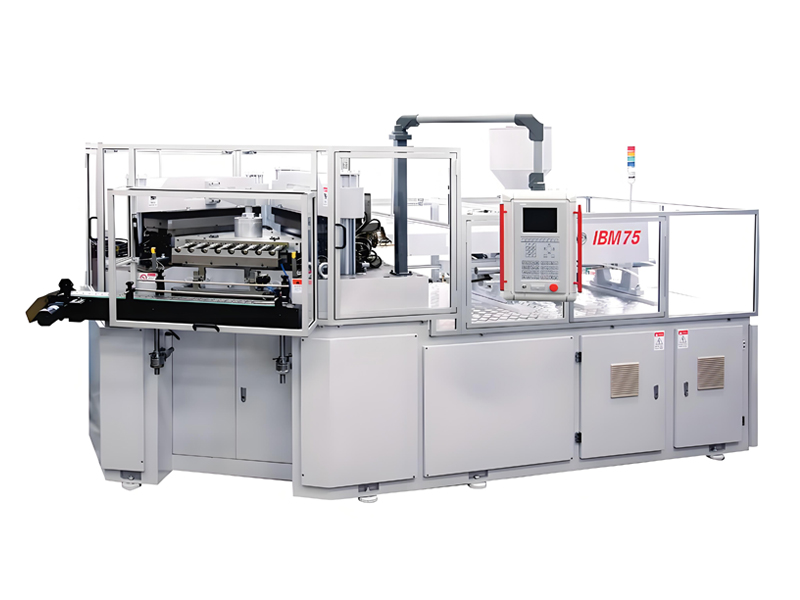
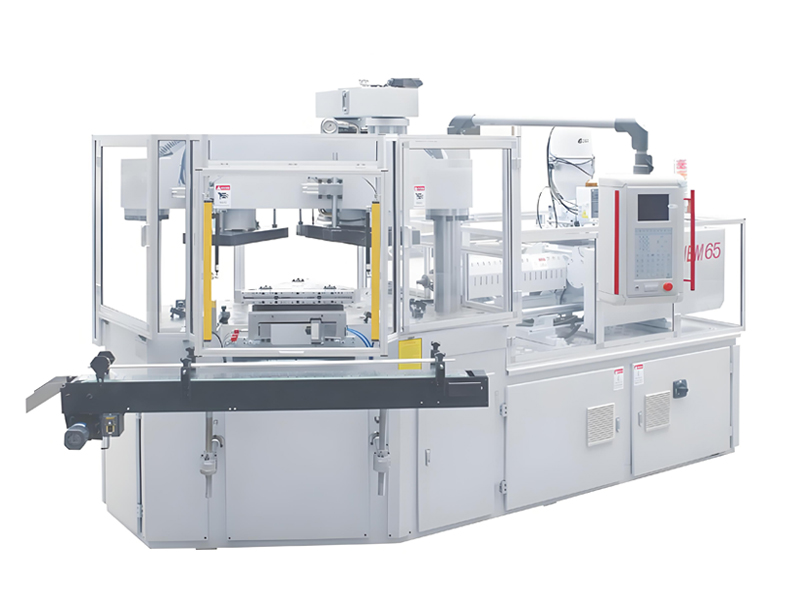
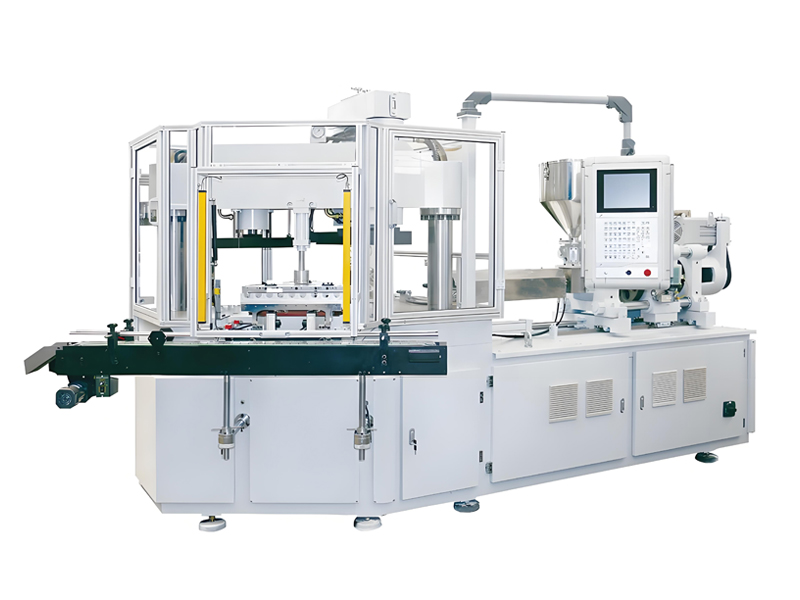
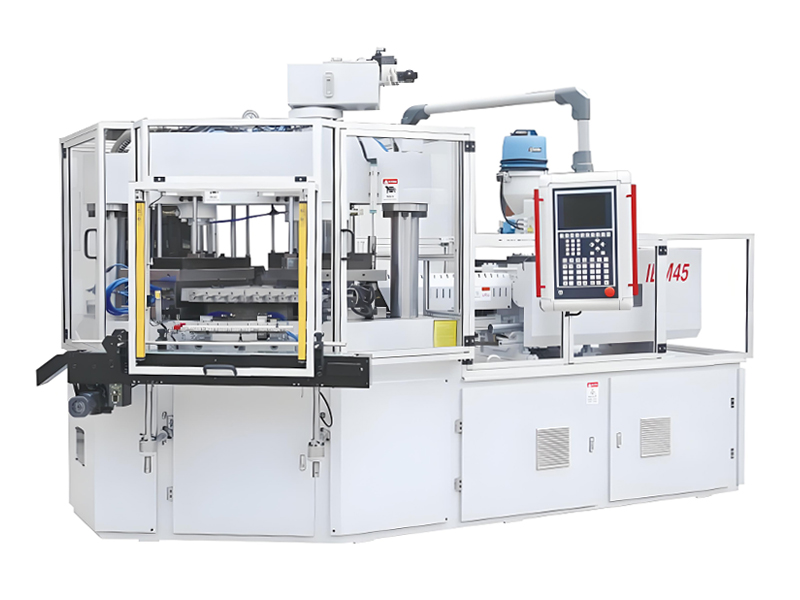
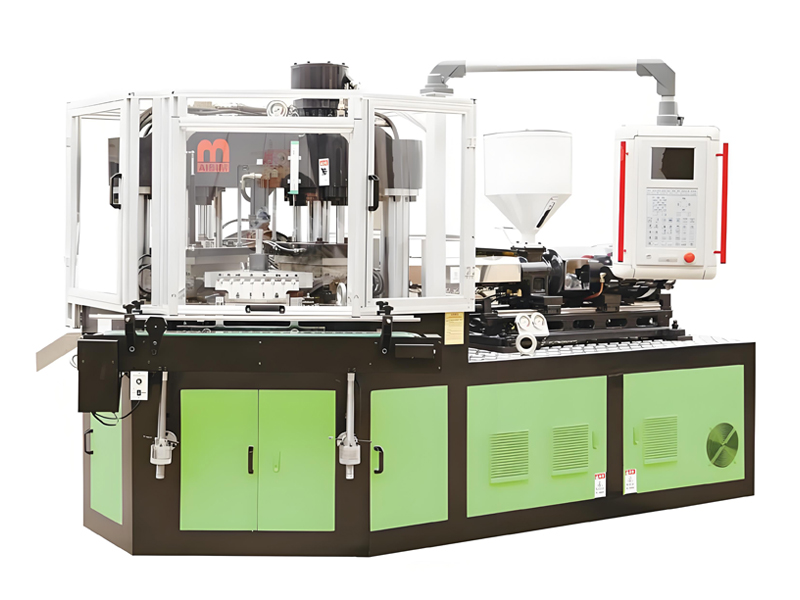
The global plastic toy market is projected to reach $68.9 billion by 2030, driven by rising demand from children’s entertainment sectors across Asia, Europe, and North America. However, this growth is accompanied by stringent regulatory requirements for toy safety, with non-toxicity and material compliance emerging as non-negotiable standards for manufacturers. At the heart of safe plastic toy production lies the Injection Blow Molding Machine—a technology that combines precision, efficiency, and safety to meet the highest global toy safety benchmarks. AiBiM, a leading manufacturer of injection blow molding machines based in China (www.aibim-china.com), has engineered a range of Injection Blow Molding Machine solutions specifically tailored for plastic toy production, prioritizing safe and non-toxic manufacturing without compromising on cost or productivity.
Unlike traditional molding processes that introduce multiple touchpoints and contamination risks, the Injection Blow Molding Machine streamlines toy production into a single, closed-loop system. This not only reduces the chance of toxic impurities entering the final product but also improves production consistency—critical factors for toy manufacturers aiming to comply with regional safety standards such as the EU’s EN 71-3, US ASTM F963, and China’s GB 6675. For small, medium, and large-scale toy manufacturers, investing in a purpose-built Injection Blow Molding Machine for plastic toys is no longer an option but a necessity to access global markets and build consumer trust.
Why Injection Blow Molding Machine is the Gold Standard for Safe Plastic Toy Production
To understand why the Injection Blow Molding Machine is ideal for safe plastic toy production, it is essential to compare it with alternative molding technologies, such as extrusion blow molding and conventional injection molding. Each process has distinct limitations when it comes to non-toxic toy manufacturing, while Injection Blow Molding Machine addresses these gaps comprehensively.
First, extrusion blow molding relies on molten plastic being extruded into a parison, which is then blown into shape. This open-process design increases the risk of contamination from ambient air, dust, or improper material mixing—factors that can introduce toxic substances into toy products. Conventional injection molding, on the other hand, produces solid parts but requires secondary processes (e.g., assembly, painting) that often involve adhesives or coatings containing harmful chemicals like phthalates or heavy metals. In contrast, the Injection Blow Molding Machine integrates injection and blow molding into a single, automated cycle within a sealed chamber. This closed system eliminates exposure to external contaminants and reduces the need for secondary processing, directly minimizing the risk of toxic additives in the final toy product.
Second, the Injection Blow Molding Machine offers unparalleled precision in temperature and pressure control—two critical factors for maintaining the integrity of non-toxic plastic resins. Overheating plastic during molding can cause thermal degradation, releasing harmful volatile organic compounds (VOCs) that contaminate the toy. AiBiM’s Injection Blow Molding Machine features a precision temperature control system with a tolerance of ±0.5℃, ensuring that plastic resins are processed within their optimal temperature range to prevent degradation. This level of control is impossible with less advanced molding machines, making Injection Blow Molding Machine the gold standard for safe toy production.
Third, the Injection Blow Molding Machine enables uniform wall thickness in toy components, which is essential for both safety and durability. Uneven wall thickness can lead to weak points in toys (posing choking hazards for young children) and can also cause inconsistent cooling, leading to residual stresses that may release toxic substances over time. AiBiM’s Injection Blow Molding Machine uses computer-aided design (CAD) integrated molds and real-time pressure monitoring to ensure uniform wall thickness across all toy parts, from small figurines to large play structures.
Key Safety & Non-Toxic Features of AiBiM Injection Blow Molding Machine
AiBiM’s Injection Blow Molding Machine is engineered from the ground up to prioritize safe and non-toxic plastic toy production. Every component and feature is designed to eliminate contamination risks, comply with global safety standards, and ensure consistent quality. Below are the core safety features that set AiBiM’s Injection Blow Molding Machine apart from competitors:
1. Food-Grade Barrel and Screw Assembly: The barrel and screw—the core components that melt and transport plastic resin—are made from medical-grade stainless steel (316L) instead of standard carbon steel. This material is non-reactive, corrosion-resistant, and free from heavy metals like lead or cadmium that can leach into plastic during processing. For toy manufacturers using food-grade resins (e.g., PE or PP for teething toys), this feature is critical to meeting EN 71-3’s strict limits on heavy metal migration.
2. Hermetically Sealed Processing Chamber: The entire molding cycle takes place in a hermetically sealed chamber, preventing contamination from dust, moisture, or airborne pollutants. This is particularly important for manufacturers producing toys for infants, where even trace contaminants can pose health risks. The sealed chamber also reduces VOC emissions, creating a safer working environment for operators and complying with EU REACH regulations.
3. Precision Temperature Control Module: As mentioned earlier, AiBiM’s Injection Blow Molding Machine features a PID (Proportional-Integral-Derivative) temperature control system with ±0.5℃ accuracy. This system monitors and adjusts temperature across 8 zones of the barrel and mold, ensuring that plastic resin is melted uniformly without overheating. Overheating is a major cause of toxic chemical release, and this feature eliminates that risk entirely.
4. Automated Raw Material Purity Detection: Integrated into the feeding system is a near-infrared (NIR) sensor that detects impurities in plastic resin (e.g., recycled plastic contaminants, metal particles) before processing. If impurities are detected, the machine automatically pauses and alerts operators, preventing contaminated material from entering the molding process. This feature is essential for manufacturers using recycled resins (a cost-saving measure) while maintaining non-toxic production standards.
5. Environmentally Friendly Hydraulic System: Traditional Injection Blow Molding Machines use hydraulic systems with mineral oil that can leak and contaminate plastic resin. AiBiM’s Injection Blow Molding Machine uses a food-grade, biodegradable hydraulic fluid that is non-toxic and non-reactive. The system also features double-sealed hydraulic cylinders to prevent leaks, further reducing contamination risks.
6. Human-Machine Safety Design: Beyond product safety, AiBiM’s Injection Blow Molding Machine prioritizes operator safety to prevent accidents that could lead to process contamination. Features include emergency stop buttons, light curtains that pause the machine if an operator enters the molding zone, and lockout-tagout (LOTO) systems for maintenance. A safe working environment reduces human error, which is a common cause of contamination in toy production.
Material Selection for Non-Toxic Plastic Toy Production with AiBiM Injection Blow Molding Machine
Even the most advanced Injection Blow Molding Machine cannot produce safe toys without the right raw materials. AiBiM’s Injection Blow Molding Machine is optimized to work with a range of non-toxic plastic resins, and selecting the correct material is critical to meeting safety standards and ensuring product quality. Below is a detailed guide to material selection for toy production with AiBiM’s Injection Blow Molding Machine:
1. Recommended Resins for Safe Toy Production: – Polyethylene (PE): Low-density polyethylene (LDPE) and high-density polyethylene (HDPE) are the most common resins for soft toys, teething rings, and bath toys. They are non-toxic, BPA-free, and compliant with all global toy safety standards. AiBiM’s Injection Blow Molding Machine processes PE at 160-180℃ (optimal temperature to avoid degradation) and can handle both virgin and recycled PE (with proper purity testing). – Polypropylene (PP): Stiffer than PE, PP is ideal for hard plastic toys like building blocks, toy cars, and puzzle pieces. It is heat-resistant, non-toxic, and has low moisture absorption, making it easy to process with AiBiM’s Injection Blow Molding Machine. The machine’s precision pressure control ensures PP parts retain their shape and structural integrity without releasing toxic substances. – Acrylonitrile Butadiene Styrene (ABS): For durable, high-impact toys (e.g., action figures, toy furniture), ABS is a popular choice. AiBiM’s Injection Blow Molding Machine is calibrated to process ABS at 200-220℃, with special cooling cycles to prevent the release of styrene monomers (a potential toxin if overprocessed). Only food-grade or toy-grade ABS should be used, as industrial-grade ABS may contain harmful additives.
2. Materials to Avoid: – PVC (Polyvinyl Chloride): While cheap, PVC requires phthalates (plasticizers) to remain flexible, and many phthalates are banned in toys (e.g., DEHP, DBP under EU REACH). AiBiM strongly advises against using PVC with its Injection Blow Molding Machine for toy production, as even trace phthalates can contaminate the molding process. – Recycled Resins with Unknown Origins: Recycled plastic can be cost-effective, but resins from unknown sources may contain heavy metals, pesticides, or other toxins. AiBiM’s Injection Blow Molding Machine’s NIR sensor can detect some impurities, but manufacturers should only use certified recycled resins (e.g., FDA-approved for food contact) for toy production.
3. Material Preparation for AiBiM Injection Blow Molding Machine: All resins should be dried to a moisture content of less than 0.02% before processing, as moisture can cause bubbles in the final product and release toxic VOCs during molding. AiBiM offers optional integrated dryers for its Injection Blow Molding Machine, priced at an additional $2,500-$5,000, which automate the drying process and ensure consistent material quality.
Step-by-Step Production Process of Safe Plastic Toys Using AiBiM Injection Blow Molding Machine
Producing safe, non-toxic plastic toys with AiBiM’s Injection Blow Molding Machine follows a standardized, automated process that minimizes human intervention and contamination risks. Below is a detailed breakdown of each step, with specific parameters tailored for toy production:
Step 1: Raw Material Preprocessing The first step is to prepare the plastic resin for molding. For PE/PP resins, this involves drying in AiBiM’s integrated dryer at 80-90℃ for 2-4 hours (depending on moisture content). For ABS, the drying temperature is 80-85℃ for 4-6 hours. After drying, the resin is fed into the Injection Blow Molding Machine’s hopper, where the NIR sensor scans for impurities. If impurities are detected (e.g., metal particles, foreign plastic), the machine pauses and sends an alert to the operator’s dashboard.
Step 2: Injection Stage The resin is fed into the barrel, where it is melted by the precision temperature control system (PE: 160-180℃; PP: 170-190℃; ABS: 200-220℃). The screw then injects the molten plastic into a preform mold at a pressure of 800-1200 bar (adjustable based on toy size). AiBiM’s Injection Blow Molding Machine uses a servo-driven injection system, which reduces energy consumption by 30% compared to hydraulic systems and ensures precise injection volume—critical for uniform preform production.
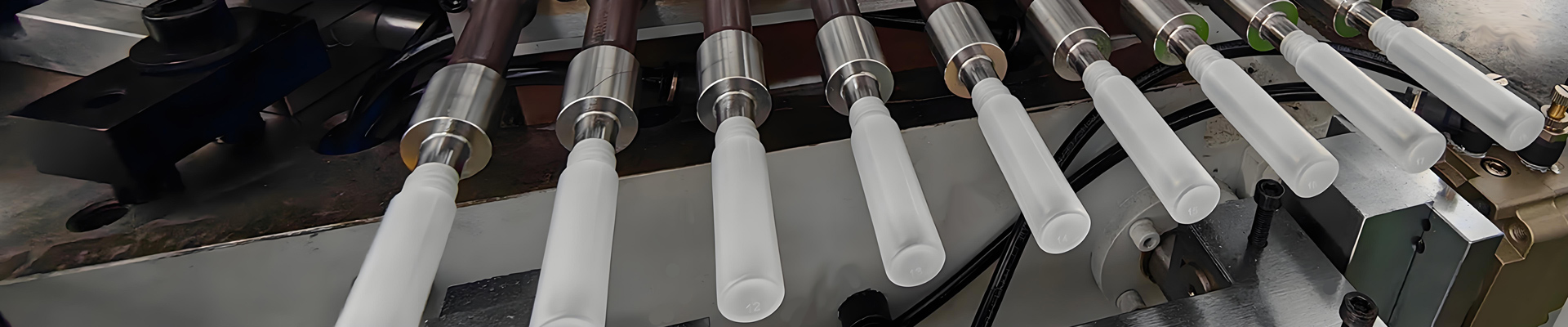
Step 3: Blow Molding Stage The preform is transferred to the blow mold cavity (automatically, without human touch) using a robotic arm. Compressed air (filtered to remove oil and moisture) is blown into the preform at 20-40 bar, expanding it to the shape of the toy mold. The blow mold is cooled by circulating water at 15-20℃, which rapidly solidifies the plastic and prevents thermal degradation. The cooling time varies by toy size: small toys (e.g., figurines) take 10-15 seconds, while large toys (e.g., playhouses) take 30-60 seconds.
Step 4: Cooling and Demolding After blow molding, the mold remains closed for an additional 5-10 seconds to ensure complete cooling. The mold then opens, and a robotic arm removes the finished toy part, placing it on a conveyor belt for post-processing. The demolding process is gentle to avoid damaging the toy or creating micro-cracks (which can trap contaminants).
Step 5: In-Line Safety Testing The conveyor belt transports the toy to an integrated testing station, where two key safety checks are performed: – Heavy Metal Migration Test: A portable X-ray fluorescence (XRF) scanner tests for lead, cadmium, mercury, and other heavy metals (compliant with EN 71-3 limits). – VOC Emission Test: A gas chromatograph detects volatile organic compounds (e.g., styrene, formaldehyde) at levels below 0.1 mg/m³ (EU REACH standard). Toys that fail either test are automatically rejected, while passing toys move to post-processing.
Step 6: Post-Processing (Minimal and Non-Toxic) Unlike traditional toy production, AiBiM’s Injection Blow Molding Machine reduces post-processing to a minimum. The only post-processing steps are trimming excess flash (using automated cutters) and deburring (using non-abrasive tools). No painting, coating, or adhesive application is required—eliminating the risk of toxic additives from these processes. For toys that require color, manufacturers can use non-toxic, food-grade masterbatches (mixed into the resin before molding) instead of surface paints.
Cost Analysis & Price Estimation of AiBiM Injection Blow Molding Machine for Toy Manufacturers
For toy manufacturers, the cost of an Injection Blow Molding Machine is a critical consideration, alongside long-term operational costs and return on investment (ROI). AiBiM offers a range of Injection Blow Molding Machine models tailored to different production scales, with transparent pricing and predictable operational costs. Below is a detailed cost analysis for AiBiM’s Injection Blow Molding Machine line:
1. AiBiM Injection Blow Molding Machine Base Prices (2026): – Small-Scale Model (ABM-100): Designed for small toy manufacturers or startups producing low-volume, high-value toys (e.g., custom figurines). Capacity: 500-1,000 pieces/hour. Base price: $25,000 – $35,000 (FOB Shanghai). Optional features (dryer, XRF tester): +$5,000 – $8,000. – Medium-Scale Model (ABM-200): Ideal for mid-sized manufacturers producing a range of toys (e.g., building blocks, bath toys). Capacity: 1,000-3,000 pieces/hour. Base price: $50,000 – $80,000 (FOB Shanghai). Optional features (automated trimming, masterbatch mixer): +$8,000 – $12,000. – Large-Scale Model (ABM-300): For large toy manufacturers with high-volume production (e.g., toy cars, play structures). Capacity: 3,000-6,000 pieces/hour. Base price: $120,000 – $300,000 (FOB Shanghai). Optional features (multi-cavity molds, full automation line): +$20,000 – $50,000. Note: Prices include a 12-month warranty, on-site installation, and operator training (free for up to 2 operators). Shipping costs vary by region: $2,000 – $5,000 to Southeast Asia, $4,000 – $8,000 to Europe/North America, $5,000 – $10,000 to South America/Africa.
2. Operational Costs (Per 1,000 Toy Units): – Raw Material Cost: PE/PP resin (toy-grade) costs $0.80 – $1.20 per kg. A typical small toy (e.g., 50g) uses $0.04 – $0.06 of resin per unit, or $40 – $60 per 1,000 units. ABS resin costs $1.50 – $2.00 per kg, or $75 – $100 per 1,000 50g units. – Energy Cost: AiBiM’s Injection Blow Molding Machine uses 8-15 kWh per hour (depending on model). At an average global industrial electricity rate of $0.15/kWh, energy cost per 1,000 units is $1.20 – $4.50 (small model: $1.20; large model: $4.50). – Labor Cost: AiBiM’s Injection Blow Molding Machine is 80% automated, requiring only 1 operator per machine (vs. 2-3 operators for traditional molding machines). At an average industrial wage of $15/hour, labor cost per 1,000 units is $3 – $7.50 (small model: $7.50; large model: $3, due to higher output). – Maintenance Cost: Annual maintenance costs are 2-3% of the machine’s base price (e.g., $500 – $1,050 for ABM-100; $2,400 – $9,000 for ABM-300). Per 1,000 units, this equates to $0.10 – $0.30. – Total Operational Cost Per 1,000 Units: $44.30 – $111.80 (PE/PP toys); $79.30 – $119.80 (ABS toys).
3. ROI Calculation: A mid-sized toy manufacturer using AiBiM ABM-200 (base price $65,000 + $10,000 optional features = $75,000 total investment) producing 2,000 PE toys/hour (50g each) at a wholesale price of $0.50 per unit: – Daily output (8-hour shift): 16,000 units – Daily revenue: 16,000 x $0.50 = $8,000 – Daily operational cost: 16 x $45 (per 1,000 units) = $720 – Daily profit: $8,000 – $720 = $7,280 – Monthly profit (22 shifts): $7,280 x 22 = $160,160 – ROI period: $75,000 / $160,160 = ~0.47 months (14 days) – this is a conservative estimate, as most manufacturers run 2-3 shifts per day, reducing ROI to 7-10 days. Compared to traditional extrusion blow molding machines (which cost $40,000 – $70,000 but have 30% higher operational costs), AiBiM’s Injection Blow Molding Machine delivers ROI 20% faster while ensuring compliance with safety standards (avoiding costly fines for non-compliant products).
Compliance & Certification: Meeting Global Toy Safety Standards with AiBiM Injection Blow Molding Machine
To sell plastic toys in global markets, manufacturers must comply with regional safety standards, and AiBiM’s Injection Blow Molding Machine is engineered to simplify compliance. Below is how AiBiM’s Injection Blow Molding Machine helps manufacturers meet the most stringent toy safety standards:
1. EU EN 71-3 (Heavy Metal Migration): EN 71-3 limits the migration of 19 heavy metals (e.g., lead: ≤90 mg/kg; cadmium: ≤75 mg/kg; mercury: ≤60 mg/kg) from toy materials. AiBiM’s Injection Blow Molding Machine’s 316L stainless steel barrel/screw eliminates heavy metal leaching, and the NIR impurity sensor prevents contaminated resins from being processed. All AiBiM Injection Blow Molding Machine models come with a certificate of compliance with EN 71-3, and AiBiM offers free testing support for manufacturers applying for CE certification (required for EU sales).
2. US ASTM F963: ASTM F963 covers physical, mechanical, and chemical safety of toys sold in the US, including limits on phthalates (e.g., DEHP, DBP, BBP: ≤0.1% by weight) and heavy metals. AiBiM’s Injection Blow Molding Machine’s closed-loop process eliminates the need for phthalate-containing plasticizers (common in open-process extrusion blow molding), and the in-line XRF tester ensures heavy metal levels meet ASTM F963 requirements. AiBiM also provides documentation to support CPSC (Consumer Product Safety Commission) certification for US market access.
3. China GB 6675: China’s national toy safety standard is among the strictest in the world, with limits on heavy metals, phthalates, and formaldehyde. AiBiM (based in China) designs its Injection Blow Molding Machine to exceed GB 6675 requirements, and all machines are certified by the China National Light Industry Council (CNLIC) for toy production compliance. For manufacturers exporting to China, this certification streamlines market access and reduces testing costs by 30%.
4. Additional Regional Standards: AiBiM’s Injection Blow Molding Machine also supports compliance with: – Australian AS/NZS ISO 8124 (toy safety) – Japanese ST 2016 (toy safety) – Brazilian NBR 11786 (toy safety) The machine’s modular design allows manufacturers to adjust parameters (e.g., temperature, pressure) to meet regional resin requirements, and AiBiM’s technical team provides free consulting for regional certification applications.
5. Cost of Non-Compliance: Failing to meet safety standards can be catastrophic for toy manufacturers. For example, the EU imposes fines of up to €100,000 or 2% of annual turnover for non-compliant toys, while the US CPSC can issue fines of up to $100,000 per violation (and recall costs can exceed $1 million). AiBiM’s Injection Blow Molding Machine eliminates these risks by ensuring consistent compliance, making the machine’s investment cost negligible compared to the cost of non-compliance.
Maintenance & Optimization of AiBiM Injection Blow Molding Machine to Sustain Non-Toxic Production
Regular maintenance of the Injection Blow Molding Machine is essential to sustain safe, non-toxic toy production and maximize the machine’s lifespan (AiBiM Injection Blow Molding Machine has a 10+ year lifespan with proper maintenance). Below is a comprehensive maintenance and optimization guide for AiBiM’s Injection Blow Molding Machine:
1. Daily Maintenance Tasks (15-20 minutes per shift): – Clean the hopper and feeding system to remove resin residue (use a food-grade brush to avoid contamination). – Check the hydraulic fluid level and inspect for leaks (replace seals immediately if leaks are found). – Calibrate the temperature control system (using a digital thermometer) to ensure ±0.5℃ accuracy. – Inspect the mold for cracks or wear (cracks can trap contaminants and cause inconsistent molding). – Clean the NIR sensor lens to ensure accurate impurity detection.
2. Weekly Maintenance Tasks (1-2 hours per week): – Lubricate the robotic arm and mold guides with food-grade lubricant (avoid petroleum-based lubricants that can contaminate plastic). – Inspect the screw and barrel for wear (measure screw diameter; replace if wear exceeds 0.5mm). – Test the emergency stop and light curtain systems to ensure operator safety. – Clean the cooling system (remove scale buildup to maintain consistent cooling).
3. Monthly Maintenance Tasks (4-6 hours per month): – Replace the hydraulic fluid filter (cost: $50 – $150, depending on model). – Calibrate the pressure sensors (AiBiM provides a calibration kit for $200 – $500). – Inspect the XRF tester (if installed) and replace the scanner bulb (cost: $1,000 – $2,000 every 12 months). – Perform a full system diagnostic using AiBiM’s proprietary software (free for all customers).
4. Annual Maintenance Tasks (8-10 hours per year): – Replace the barrel liner (cost: $1,500 – $5,000, depending on model) to prevent heavy metal leaching. – Overhaul the hydraulic system (replace seals, hoses, and filters) to prevent leaks. – Recalibrate the entire machine with AiBiM’s technical team (free for the first 3 years; $1,000 – $3,000 thereafter). – Test the machine’s compliance with safety standards (using a third-party lab; AiBiM covers 50% of testing costs for first 2 years).
5. Optimization Tips to Reduce Costs and Improve Safety: – Use energy-saving mode during low-production periods (reduces energy consumption by an additional 15%). – Optimize mold design (AiBiM offers free mold design consulting) to reduce cycle time (faster cycles reduce energy use and increase output). – Use recycled resin (certified toy-grade) to reduce raw material costs (AiBiM’s NIR sensor ensures recycled resin purity). – Train operators on AiBiM’s Injection Blow Molding Machine (AiBiM offers free online training courses) to reduce human error and contamination risks.
6. AiBiM’s After-Sales Support: AiBiM provides 24/7 technical support (via phone, email, and video call) for all Injection Blow Molding Machine customers. The company also has regional service centers in China, Malaysia, Germany, and the US, with on-site technicians available within 48 hours for emergency repairs. Replacement parts are shipped within 24 hours (for standard parts) and 72 hours (for custom parts), minimizing downtime.
Real-World Case Studies: AiBiM Injection Blow Molding Machine in Toy Manufacturing
Below are three real-world case studies of toy manufacturers that have implemented AiBiM’s Injection Blow Molding Machine to improve safety, compliance, and profitability:
Case Study 1: Southeast Asian Mid-Sized Toy Manufacturer (Malaysia) – Challenge: The manufacturer produced bath toys using extrusion blow molding machines, which resulted in 5% of products failing EN 71-3 heavy metal tests (due to contamination). The company faced EU fines and lost 20% of its EU market share. – Solution: Invested in AiBiM ABM-200 (base price $70,000 + $10,000 optional features = $80,000). – Results: – 0% of products failed EN 71-3 tests (compliance rate 100%). – Operational costs reduced by 15% (due to lower energy and labor costs). – EU market share recovered and increased by 10% within 6 months. – ROI achieved in 12 days (2 shifts per day).
Case Study 2: European Small-Scale Custom Toy Brand (Germany) – Challenge: The brand produced custom teething toys for infants and struggled to meet EU EN 71-3 and US ASTM F963 standards with a conventional injection molding machine. Certification delays cost the company $50,000 in lost revenue. – Solution: Invested in AiBiM ABM-100 (base price $30,000 + $8,000 optional features = $38,000). – Results: – CE and CPSC certification obtained in 4 weeks (vs. 12 weeks with the old machine). – Production capacity increased by 50% (from 500 to 750 pieces/hour). – Teething toys priced at $5 each (wholesale) generated $15,000/month profit. – ROI achieved in 3 weeks (1 shift per day).
Case Study 3: Chinese Large-Scale Toy Manufacturer (Guangdong) – Challenge: The manufacturer produced toy cars using extrusion blow molding machines, with high operational costs (30% higher than industry average) and frequent mold failures (causing contamination). – Solution: Invested in 5 AiBiM ABM-300 machines (total investment $1.2 million). – Results: – Production capacity increased by 20% (from 15,000 to 18,000 toy cars/hour). – Operational costs reduced by 25% (annual savings of $500,000). – Mold lifespan increased from 6 months to 2 years (reducing mold replacement costs by 75%). – Compliance rate with China GB 6675 and EU EN 71-3: 100%. – ROI achieved in 2 months (3 shifts per day).
FAQs About Injection Blow Molding Machine for Safe Toy Production
Below are answers to the most frequently asked questions about AiBiM’s Injection Blow Molding Machine for safe plastic toy production:
Q1: Can AiBiM’s Injection Blow Molding Machine produce toys of different sizes and shapes? A1: Yes. AiBiM’s Injection Blow Molding Machine uses interchangeable molds (cost: $5,000 – $50,000 per mold, depending on complexity) that can produce toys from 1cm (small figurines) to 1m (large play structures). The machine’s modular design allows quick mold changes (15-30 minutes per change), making it ideal for manufacturers producing multiple toy lines.
Q2: Is AiBiM’s Injection Blow Molding Machine suitable for small-scale toy manufacturers (startups)? A2: Yes. The AiBiM ABM-100 (priced at $25,000 – $35,000) is designed for startups and small-scale manufacturers. It has a small footprint (3m x 2m x 2.5m), low energy consumption, and requires minimal operator training. AiBiM also offers flexible payment plans (30% down payment, 70% over 12 months) for small businesses.
Q3: Can AiBiM’s Injection Blow Molding Machine use recycled plastic resin for toy production? A3: Yes, provided the recycled resin is certified toy-grade (free from heavy metals and toxic additives). AiBiM’s Injection Blow Molding Machine’s NIR impurity sensor detects contaminants in recycled resin, and the machine’s precision temperature control prevents degradation of recycled plastic (a common issue with traditional molding machines). Using recycled resin can reduce raw material costs by 20-30%.
Q4: How long does it take to train operators to use AiBiM’s Injection Blow Molding Machine? A4: AiBiM’s Injection Blow Molding Machine is user-friendly, with a touchscreen interface in multiple languages (English, Chinese, Spanish, German, French). Basic operator training takes 1-2 days (free for up to 2 operators), and advanced training (for maintenance and optimization) takes 5-7 days (cost: $1,000 per operator, optional).
Q5: What is the warranty period for AiBiM’s Injection Blow Molding Machine? A5: AiBiM offers a 12-month standard warranty covering all parts and labor (including on-site repairs). Extended warranties are available: 2 years (+$5,000 – $15,000) or 5 years (+$15,000 – $40,000). The warranty covers all defects in materials and workmanship, and AiBiM guarantees replacement parts within 24 hours for urgent repairs.
Q6: Does AiBiM provide spare parts for the Injection Blow Molding Machine? A6: Yes. AiBiM maintains a global spare parts warehouse in China, Germany, and the US, with standard parts (filters, seals, sensors) available for immediate shipment. Custom parts (molds, barrel liners) are produced within 7-14 days. AiBiM recommends keeping a spare parts kit (cost: $2,000 – $10,000, depending on model) on-site to minimize downtime.
Q7: How does AiBiM’s Injection Blow Molding Machine compare to competitors in terms of price and performance? A7: AiBiM’s Injection Blow Molding Machine is priced 10-15% lower than European and US competitors (e.g., Krones, Husky) while offering superior safety features (e.g., NIR sensor, 316L barrel) and higher energy efficiency (30% lower energy use). Compared to low-cost Chinese competitors, AiBiM’s Injection Blow Molding Machine has better build quality (10+ year lifespan vs. 3-5 years) and comprehensive after-sales support (24/7 technical support vs. limited support).
Conclusion: Invest in AiBiM Injection Blow Molding Machine for Sustainable Safe Toy Production
The demand for safe, non-toxic plastic toys is higher than ever, driven by global regulatory pressure and consumer awareness of toy safety. The Injection Blow Molding Machine is the only technology that can meet these demands while maintaining cost-effectiveness and productivity—and AiBiM’s Injection Blow Molding Machine is the market leader in this space. With its industry-leading safety features, compliance with global standards, transparent pricing, and fast ROI, AiBiM’s Injection Blow Molding Machine is the ideal investment for toy manufacturers of all sizes.
AiBiM’s commitment to safe toy production extends beyond the machine itself: the company provides end-to-end support, from material selection and mold design to certification consulting and maintenance. By choosing AiBiM’s Injection Blow Molding Machine, manufacturers not only ensure compliance with the strictest safety standards but also gain a competitive advantage in the global toy market—delivering high-quality, non-toxic toys that build consumer trust and drive long-term profitability.