Introduction
Refill bottle market experiencing rapid growth driven by sustainability initiatives, plastic reduction regulations, and consumer preference for reusable packaging solutions, with global refill bottle market projected to reach $12.8 billion by 2028 representing 8.5% CAGR from 2023 to 2028. AiBiM Technology (www.aibim-china.com) provides specialized injection blow molding (IBM) machines optimized for small size refill bottle production including personal care products, household cleaners, and food and beverage applications requiring compact, easily storable packaging solutions. Refill bottle dimensions typically range from 50ml to 500ml capacity with bottle heights 80-180mm and diameters 30-60mm designed for efficient storage, transportation, and shelf utilization in retail environments.
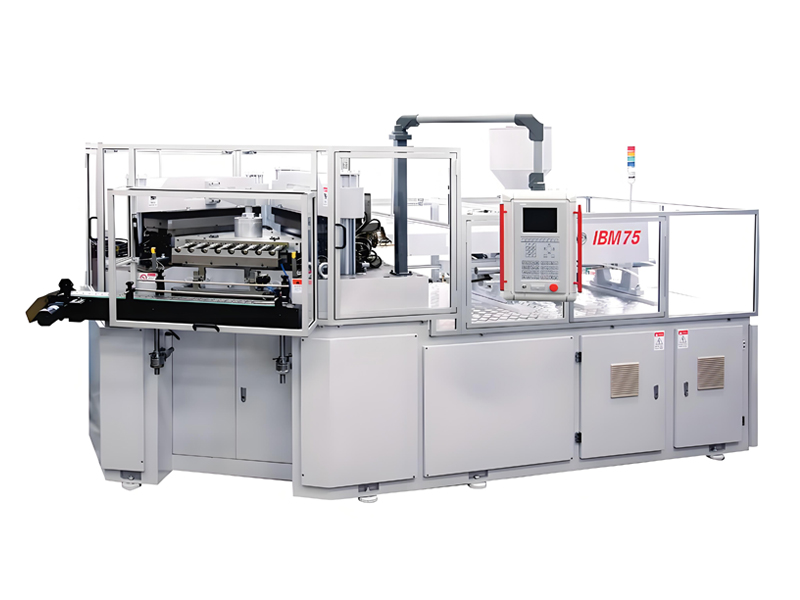
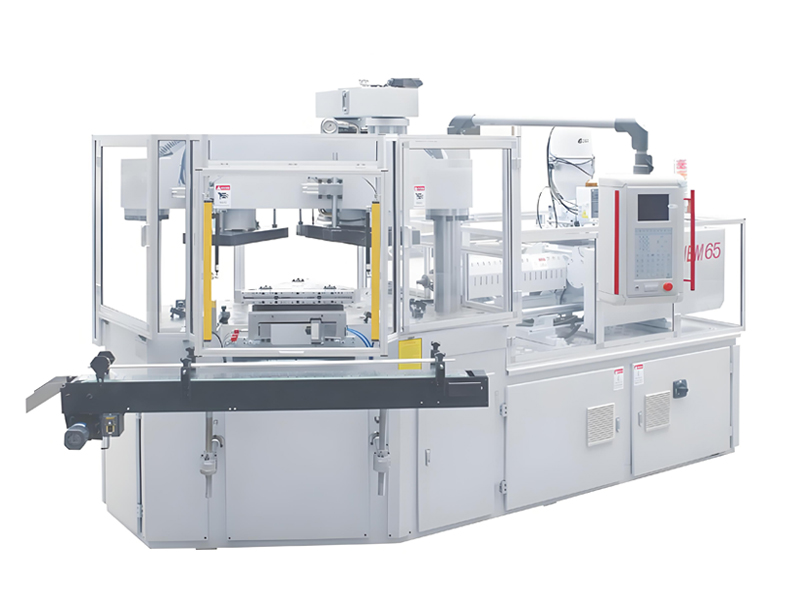
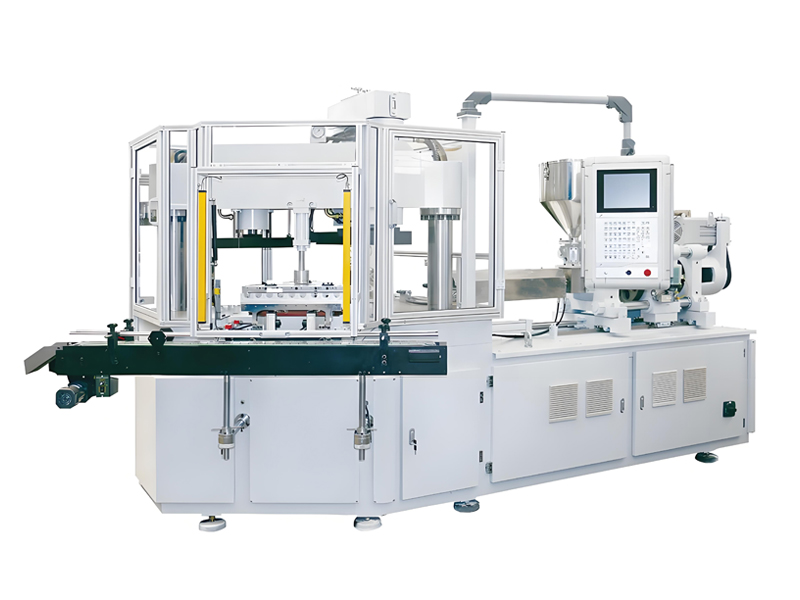
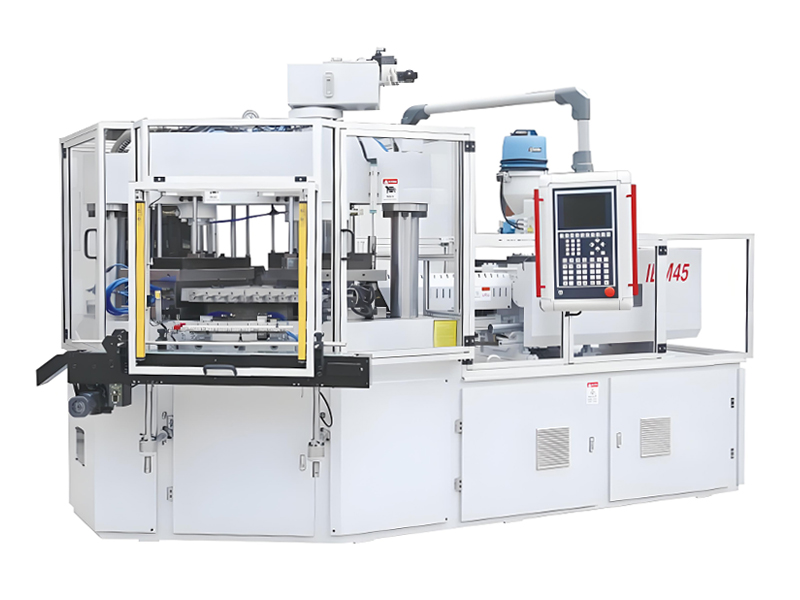
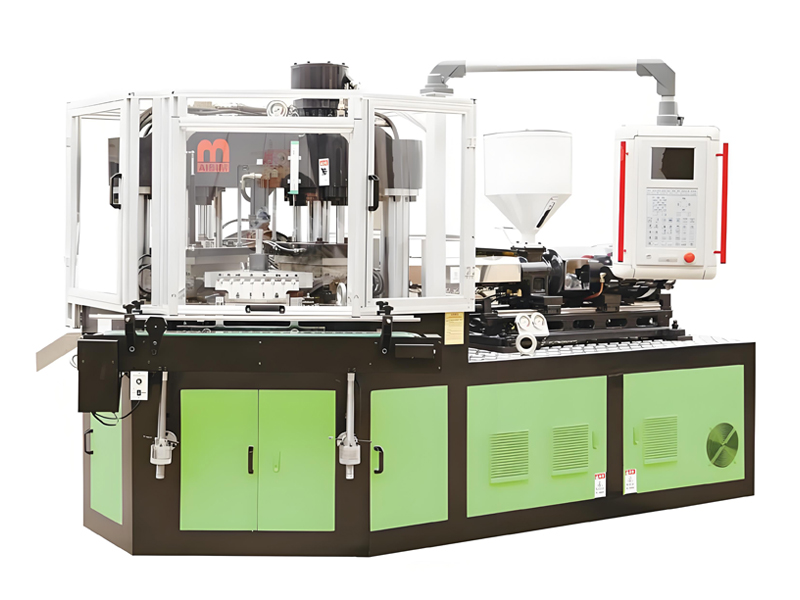
AiBiM injection blow molding machines particularly suited for refill bottle production include IBM35 model ideal for 10-100ml capacity small refill bottles with cycle time 8-12 seconds, IBM45 model producing 50-500ml refill bottles with cycle time 12-18 seconds, and IBM65 model manufacturing 200-1000ml larger refill containers with cycle time 16-24 seconds. Machine capabilities support various materials including HDPE, PP, PET, and PCR (post-consumer recycled) resins with 50-100% recycled content enabling sustainable refill bottle production aligned with circular economy initiatives and plastic reduction mandates across European Union, North America, and Asian markets.
Cost analysis demonstrates compelling economics for refill bottle production using AiBiM injection blow molding technology: production cost typically $0.018-0.028 per 250ml HDPE refill bottle including material cost $0.012-0.015, energy consumption $0.001-0.002, labor $0.003-0.005, and machine depreciation $0.002-0.006. Compared to single-use plastic bottles costing $0.025-0.035 each for similar capacity, refill bottles provide 28-40% cost savings per unit while supporting sustainability goals through reuse rates averaging 8-12 cycles per bottle before end-of-life requiring recycling or disposal. For manufacturing facilities producing 20 million refill bottles annually, cost savings reach $140,000-340,000 annually compared to single-use bottle production while providing additional environmental benefits through reduced plastic waste and lower carbon footprint across product lifecycle.
Market Trends and Refill Bottle Applications
Understanding market trends and application requirements enables injection blow molding machine selection optimizing production efficiency for specific refill bottle categories including personal care, household products, food and beverage, and pharmaceutical applications each with unique design and performance requirements.
Personal Care and Cosmetics Refill Bottles
Personal care and cosmetics segment represents largest refill bottle application category accounting for approximately 35% of global refill bottle market driven by brand sustainability commitments, premium packaging differentiation, and consumer preference for reusable premium products. Products requiring refill bottle solutions include shampoo and conditioner bottles (typically 250-500ml capacity), body wash and shower gel containers (200-400ml), facial cleanser and toner bottles (150-300ml), and hand soap dispensers (250-500ml) with varying design requirements including pump compatibility, labeling area requirements, and aesthetic considerations affecting bottle design complexity and production challenges.
Personal care refill bottle design considerations include narrow mouth openings (18-25mm diameter) for pump and spray compatibility, thick wall thickness (1.2-1.8mm) providing premium feel and product protection, ergonomic design features enhancing grip and usability, and aesthetic quality requirements requiring smooth surface finish with minimal flash, sink marks, or visual defects affecting consumer perception of product quality. AiBiM injection blow molding machines produce personal care refill bottles meeting premium quality standards with wall thickness tolerance ±0.05mm, surface finish Ra less than 1.6μm, and dimensional accuracy ±0.1mm for critical dimensions ensuring pump fit and labeling compatibility across multiple product variants and brand packaging requirements.
Market trends in personal care refill bottles include increasing use of PCR materials (up to 50% recycled content) responding to sustainability goals, transparent packaging requirements enabling product visibility and ingredient labeling compliance, and premium packaging design differentiation through unique bottle shapes and textures requiring advanced mold design capabilities. AiBiM machines support PCR material processing with enhanced venting and degassing capabilities handling moisture content up to 0.15% in recycled materials, precise temperature control minimizing thermal degradation affecting material properties, and adjustable clamping force accommodating varying material characteristics and processing requirements across virgin and recycled material formulations.
Household Cleaner and Detergent Refill Bottles
Household cleaner and detergent refill bottles represent growing market segment with 22% annual growth rate driven by packaging waste reduction initiatives, concentrated product formulations requiring smaller bottle sizes, and retail sustainability commitments requiring refill packaging solutions across major retail chains worldwide. Product applications include liquid laundry detergent bottles (500ml-1L), dish soap containers (250-750ml), all-purpose cleaners (250-500ml), and bathroom cleaning products (200-400ml) with specific performance requirements including chemical resistance, leak-proof design, and compatibility with various closure types including flip-top caps, spray triggers, and pump dispensers.
Household cleaner refill bottle performance requirements include chemical resistance to alkaline cleaners, acidic products, and solvent-based formulations preventing container degradation or product contamination, leak-proof closure compatibility ensuring secure sealing during transportation and storage, and durability requirements withstanding repeated opening and closing cycles without cap thread damage or seal degradation. AiBiM injection blow molding machines produce household cleaner bottles using chemically resistant HDPE formulations including UV-stabilized grades for outdoor product storage, with wall thickness 0.8-1.4mm optimized for chemical resistance and mechanical durability while maintaining competitive material costs per unit for high-volume production requirements.
Production cost optimization for household cleaner refill bottles focuses on material efficiency improvements through lightweight design initiatives reducing wall thickness while maintaining structural integrity and leak-proof performance requirements. AiBiM machines support thin-wall production capabilities with wall thickness as low as 0.7mm for 250ml capacity bottles reducing material usage by 15-20% compared to standard wall thickness designs, providing annual material cost savings of $25,000-45,000 for production facilities producing 30 million bottles annually while maintaining performance requirements for chemical resistance and durability across product applications.
Food and Beverage Refill Bottles
Food and beverage refill bottles represent emerging market segment with 12% annual growth rate supported by retail sustainability initiatives, consumer demand for reusable packaging, and single-use plastic reduction regulations across European Union and North American markets requiring alternative packaging solutions for various food and beverage categories. Applications include edible oil bottles (250ml-1L), salad dressing containers (150-500ml), beverage syrup concentrates (200-750ml), and juice concentrate bottles (250ml-1L) with food-grade material requirements, FDA compliance for food contact applications, and barrier properties preventing flavor migration and oxidation affecting product quality and shelf life requirements.
Food and beverage refill bottle technical requirements include FDA-compliant material specifications using HDPE grades meeting 21 CFR Part 177.1520 regulations for food contact applications, barrier properties preventing oxygen transmission and flavor migration affecting product quality, and thermal stability enabling hot-fill applications for products requiring pasteurization at 85-95°C for 15-30 minutes. AiBiM injection blow molding machines support food-grade production using FDA-approved HDPE, PP, and PET materials with dedicated equipment cleaning protocols preventing cross-contamination between different food product categories, stainless steel product-contact surfaces meeting food safety requirements, and temperature control systems maintaining precise thermal profiles for hot-fill capable bottle production.
Regulatory compliance for food and beverage refill bottles requires FDA registration for materials and equipment processing food-contact surfaces, GMP (Good Manufacturing Practices) documentation validating production processes and equipment cleanliness, and HACCP (Hazard Analysis Critical Control Points) implementation identifying and controlling potential food safety hazards throughout production and filling operations. AiBiM provides regulatory compliance documentation including material safety certificates (compliance with 21 CFR Part 177), equipment cleaning and sanitization protocols, and production quality assurance records supporting regulatory audits and customer food safety compliance requirements for international food and beverage companies sourcing refill bottle production from contract manufacturing facilities using AiBiM injection blow molding equipment.
Machine Selection and Configuration for Refill Bottle Production
Selecting appropriate injection blow molding machine configuration requires evaluation of production volume requirements, bottle specifications, material characteristics, and automation integration capabilities ensuring optimal production efficiency and cost-effectiveness for specific refill bottle manufacturing applications.
Production Capacity and Cycle Time Optimization
Production capacity requirements significantly influence machine selection based on annual production volume targets, inventory management strategies, and market demand characteristics affecting production scheduling and equipment utilization efficiency. Refill bottle production facilities require capacity planning accommodating seasonal demand variations, promotional product launches, and retailer sustainability initiatives requiring refill packaging solutions across multiple product categories and brand portfolios.
AiBiM machine production capacity for refill bottle applications includes IBM35 model producing 400-500 bottles per hour for 10-100ml capacity bottles, IBM45 model manufacturing 280-350 bottles per hour for 50-500ml capacity bottles, and IBM65 model generating 200-280 bottles per hour for 200-1000ml capacity bottles assuming 80% machine utilization including material changeovers, mold changes, and scheduled maintenance downtime. Annual production capacity calculations for IBM45 model operating 24/7 with 90% availability yield 1,975,000-2,470,000 bottles annually per machine requiring 4-5 machines for facilities targeting 8-12 million annual bottle production capacity typical of mid-size personal care manufacturers and contract packaging operations.
Cycle time optimization for refill bottle production focuses on reducing mold cooling time representing 50-60% of total cycle time through improved mold design including conformal cooling channels, optimized cooling water temperature control, and efficient water flow distribution throughout mold cavities. AiBiM machines support advanced cooling control systems including multi-zone temperature regulation enabling independent cooling optimization for different mold sections based on wall thickness variations and design complexity requirements, reducing cycle time by 15-25% compared to conventional cooling systems while maintaining product quality and dimensional accuracy specifications across multiple bottle designs and material formulations.
Mold Design and Tooling Considerations
Mold design and tooling configuration significantly impact refill bottle production quality, cycle time efficiency, and overall equipment productivity requiring careful consideration of cavity configuration, material selection, and cooling system design for specific bottle design requirements and production volume targets.
Cavity configuration options for refill bottle molds include single cavity molds for low-volume production or prototype development providing flexibility for design iterations and market testing, multi-cavity molds (2-8 cavities typical) for medium-volume production reducing per-unit costs through higher machine utilization, and high-cavity molds (12-32 cavities) for high-volume production maximizing output efficiency but requiring significant capital investment and specialized tooling support. AiBiM machines support cavity configurations from single cavity for prototype development to 8-cavity molds for medium-volume production, with IBM65 model supporting up to 4-cavity molds for 250ml capacity bottles due to machine clamping force capacity limitations and mold size requirements.
Mold material selection impacts tooling cost, durability, and thermal characteristics affecting product quality and cycle time efficiency. Standard mold materials for refill bottle production include P20 pre-hardened steel suitable for 300,000-500,000 cycle production runs costing $4,000-6,000 for 2-cavity mold, 420 stainless steel for corrosion-resistant applications requiring 500,000-1,000,000 cycle durability costing $5,500-8,000 for 2-cavity mold, and copper beryllium inserts for high-production molds exceeding 2,000,000 cycles with enhanced thermal conductivity reducing cycle time adding 30-50% cost premium compared to standard steel molds. AiBiM works with certified mold suppliers providing tooling solutions optimized for specific production volume requirements and material characteristics ensuring optimal performance and cost-effectiveness across diverse refill bottle applications.
Cooling system design significantly impacts cycle time efficiency and product quality characteristics affecting production economics and equipment utilization rates. Conventional cooling systems using drilled cooling channels provide adequate cooling for standard bottle designs with uniform wall thickness but may produce non-uniform cooling for complex designs with variable wall thickness leading to warpage, sink marks, or dimensional inconsistencies. Conformal cooling channels following bottle contour provide uniform cooling reducing cycle time by 20-30% for complex designs but increase mold cost by 40-60% compared to conventional cooling systems. AiBiM molds incorporate optimized cooling channel designs based on bottle geometry and wall thickness distribution ensuring consistent product quality while minimizing cycle time and energy consumption for specific refill bottle applications.
Material Handling and Automation Integration
Material handling and automation integration significantly affect overall production efficiency, labor requirements, and operational consistency for refill bottle manufacturing facilities requiring careful planning for resin drying, material conveying, and automated bottle handling systems.
Resin drying systems are particularly critical for hygroscopic materials including PET and certain HDPE grades requiring moisture content below 0.02% before processing to prevent quality defects including splay marks, reduced mechanical properties, and surface imperfections affecting bottle appearance and performance characteristics. AiBiM machines integrate with resin drying systems including desiccant dryers providing moisture removal capacity 20-50 kg/hour depending on machine throughput and material requirements, hopper dryers with integrated temperature monitoring and control, and material moisture sensors verifying moisture content before processing to prevent quality issues and production waste. Resin drying costs typically $0.001-0.002 per bottle including energy consumption and maintenance expenses representing minor cost component but critical for quality assurance particularly for PET refill bottle production.
Material conveying systems including vacuum loaders, hopper loaders, and automated material transfer equipment reduce manual handling requirements and maintain consistent material feed quality preventing contamination and ensuring consistent material properties throughout production runs. AiBiM machines integrate with conveying systems including central vacuum systems supporting multiple machines from bulk storage silos, single machine loaders for smaller facilities, and material filtration systems removing foreign contaminants and maintaining material cleanliness for food-grade and pharmaceutical refill bottle applications. Automated material handling reduces labor requirements by 2-3 hours per operator shift for facilities with multiple machines while improving material consistency and reducing contamination risks affecting product quality and regulatory compliance.
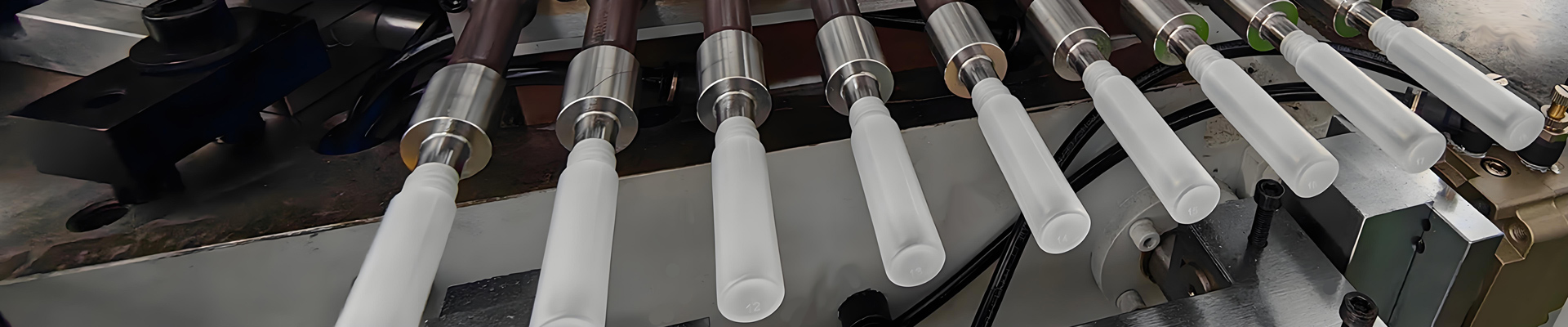
Automated bottle handling systems including take-out robots, conveyors, and packaging equipment improve production efficiency and reduce labor requirements for high-volume refill bottle manufacturing operations. Take-out robots remove bottles from mold after cycle completion placing them on downstream equipment with cycle times as fast as 5-8 seconds depending on bottle size and complexity, conveyors transport bottles through trimming, inspection, and packaging stations with speeds up to 1000 bottles per minute for small refill bottles, and automated packaging systems including bagging, boxing, and palletizing equipment reducing manual packaging labor by 80-90% compared to manual operations. AiBiM machines integrate with automation equipment from various suppliers including Star Automation, Yushin, and Sepro robots providing flexibility for facility-specific automation requirements and production process integration needs.
Refill Bottle Design and Production Optimization
Refill bottle design optimization for injection blow molding production requires understanding of design guidelines, material selection criteria, and quality control considerations ensuring efficient manufacturing and market acceptance of final products across various application categories.
Design Guidelines for Injection Blow Molding
Injection blow molding design guidelines establish parameters ensuring manufacturable bottle designs meeting quality, performance, and economic requirements while avoiding common production issues including flash, sink marks, warpage, and dimensional inconsistencies affecting product quality and production efficiency.
Wall thickness guidelines for refill bottles include uniform wall thickness distribution ranging from 0.8-1.4mm for HDPE and PP bottles depending on capacity and application requirements, minimum wall thickness 0.6mm for lightweight designs requiring material efficiency improvements, and maximum wall thickness 2.0mm for premium packaging requiring enhanced durability and product protection characteristics. Uniform wall thickness distribution within ±10% across bottle surface area ensures consistent cooling, minimal warpage, and reduced stress concentrations improving mechanical performance and preventing bottle failures during repeated use cycles typical of refill bottle applications requiring durability across multiple product reuse scenarios.
Draft angle requirements for injection blow molding include minimum 1-2° draft angle on bottle exterior surfaces to facilitate mold release, draft angle increases to 3-5° for deeper bottle designs with height-to-diameter ratios exceeding 3:1 to prevent sticking during mold opening, and internal draft angles 0.5-1° for neck finish areas requiring precise dimensions for closure compatibility. AiBiM machines produce refill bottles meeting draft angle requirements while maintaining dimensional accuracy within ±0.1mm for critical dimensions including neck finish threads ensuring proper cap fit and leak-proof performance requirements across various closure types and manufacturer specifications.
Rib and reinforcement design guidelines prevent sink marks and surface defects while providing required structural stiffness for bottle durability during use. Rib thickness should not exceed 50-60% of adjacent wall thickness to minimize sink marks, rib height limited to 2-3 times rib thickness to prevent molding difficulties, and rib spacing should be 4-5 times rib width to ensure proper material flow and cooling characteristics. For refill bottle applications requiring additional reinforcement in base areas or handle attachments, AiBiM machines produce designs meeting structural requirements while maintaining surface quality standards preventing visual defects affecting consumer perception and product quality expectations across premium personal care and household product categories.
Material Selection and Performance Requirements
Material selection for refill bottle production balances performance requirements including chemical resistance, durability, and barrier properties with cost considerations and sustainability goals including recycled content requirements and end-of-life recyclability characteristics.
HDPE (High-Density Polyethylene) represents most common material for refill bottle production accounting for approximately 60% of refill bottle market due to excellent chemical resistance, durability, and cost-effectiveness across various applications including personal care, household cleaners, and food packaging. HDPE grades include blow molding grades with melt flow index 0.3-0.8 g/10min suitable for standard wall thickness bottles, high-density grades with density 0.945-0.965 g/cm³ providing enhanced stiffness and chemical resistance for aggressive cleaning products, and UV-stabilized grades for outdoor product storage applications requiring UV resistance preventing material degradation and yellowing affecting appearance quality during storage and retail display periods.
PP (Polypropylene) provides higher temperature resistance compared to HDPE enabling hot-fill applications requiring product pasteurization at temperatures up to 95°C for 15-30 minute durations. PP grades include homopolymer PP providing excellent chemical resistance for household cleaning products, copolymer PP with improved impact resistance for drop durability requirements during transportation and use, and clarified PP for transparent bottle applications requiring product visibility and premium packaging aesthetics. PP material costs typically 10-15% higher than HDPE for comparable grades but provide temperature resistance advantages for specific applications requiring hot-fill capabilities including beverage syrups and condiment products sold in refill packaging formats.
PET (Polyethylene Terephthalate) provides excellent clarity and barrier properties for premium refill bottle applications requiring product visibility and extended shelf life characteristics. PET grades include amorphous PET providing excellent clarity for premium product packaging, heat-resistant grades enabling hot-fill applications for food products, and barrier-enhanced grades providing oxygen and carbon dioxide barrier properties for carbonated beverage and oxygen-sensitive product applications. PET requires significantly tighter moisture control compared to HDPE and PP with drying requirements reducing moisture content below 0.02% before processing to prevent quality defects and material degradation during processing operations. PET material costs 20-30% higher than HDPE but provide superior clarity and barrier properties justifying premium cost for high-value product categories requiring premium packaging characteristics and extended shelf life requirements.
Quality Control and Performance Testing
Quality control systems and performance testing procedures ensure refill bottles meet specifications for dimensional accuracy, mechanical performance, and functional requirements preventing product failures during use and maintaining brand quality standards across production batches.
Dimensional inspection protocols include measurement of critical bottle dimensions including height tolerance ±0.3mm, diameter tolerance ±0.2mm, neck finish dimensions ±0.1mm ensuring closure compatibility, and wall thickness variation ±0.05mm ensuring consistent material distribution and performance characteristics. AiBiM production lines integrate automated dimensional inspection systems using laser measurement technology providing 100% inspection rates for critical dimensions, statistical process control monitoring production trends identifying drift requiring process adjustments, and automated rejection systems removing non-conforming bottles from production stream preventing defective products reaching customers and retail markets.
Mechanical performance testing evaluates bottle durability under use conditions including drop testing from 1.2-1.8m height depending on product category and application requirements, crush testing simulating stacking pressure during storage and transportation, and repeated use testing simulating 8-12 refill cycles typical of refill bottle service life requirements. Performance testing standards include ISO 8308 drop testing procedures, ASTM D2659 compression testing standards, and custom testing protocols developed for specific product categories requiring unique performance characteristics including cap thread durability for multiple opening and closing cycles, pump and spray compatibility testing across different closure manufacturers, and chemical resistance testing for aggressive cleaning products requiring long-term container durability.
Functional performance testing includes leak testing verifying bottle and closure compatibility ensuring leak-proof performance under various temperature conditions (20-50°C), pressure testing verifying bottle strength for carbonated beverage applications if applicable, and dispensing performance testing for pump and spray closure compatibility ensuring consistent product delivery across multiple use cycles. AiBiM production facilities implement quality control testing protocols meeting international standards including ISO 9001 quality management systems, specific customer quality requirements, and regulatory compliance documentation for food and beverage applications requiring traceability and quality assurance records supporting regulatory audits and customer quality management requirements.
Cost Analysis and Economic Benefits
Comprehensive cost analysis of refill bottle production using injection blow molding technology demonstrates economic advantages compared to alternative production methods and packaging solutions while supporting sustainability goals and regulatory compliance requirements across various market applications.
Production Cost Breakdown
Production cost breakdown for refill bottle manufacturing includes material costs representing 50-60% of total unit cost, energy consumption 5-8%, labor 15-20%, equipment depreciation 10-15%, and facility overhead 8-12% varying based on production volume, automation level, and geographic location affecting labor rates and energy costs. Material costs for HDPE refill bottles range from $0.012-0.015 per 250ml bottle based on resin grade, recycled content percentage, and purchase volume, while PET material costs reach $0.018-0.022 per similar capacity bottle reflecting premium material properties and performance characteristics for specific application categories.
Energy consumption costs for injection blow molding production depend on machine size, cycle time, and energy efficiency characteristics affecting overall unit production economics. AiBiM IBM45 model energy consumption averages 39kW during operation yielding energy cost $4.68 per hour at $0.12/kWh electricity rate, which converts to $0.0013-0.0016 per 250ml bottle based on 280-350 bottles per hour production rate. Energy-efficient servo-driven hydraulic systems reduce energy consumption by 25-35% compared to traditional constant-pressure hydraulic systems, providing annual energy savings $18,000-25,000 for facilities operating IBM45 machines 24/7 continuously while maintaining production quality and throughput requirements across various refill bottle applications.
Labor requirements for injection blow molding production vary significantly based on automation level, facility layout, and production volume affecting per-unit labor costs and overall production economics. Manual operations require 1 operator per machine for loading materials, monitoring production, and removing finished bottles, while automated operations with robot take-out systems reduce labor requirements to 1 operator supervising 3-4 machines for small refill bottle production. Automated facilities with comprehensive automation including material handling, inspection, and packaging reduce labor requirements to 1 operator for 6-8 machines significantly lowering per-unit labor costs from $0.003-0.005 per bottle for manual operations to $0.001-0.002 per bottle for highly automated facilities producing 30-50 million bottles annually across multiple machine installations.
Economic Benefits and ROI Analysis
Economic benefits of refill bottle production compared to single-use alternatives include material cost savings, reduced transportation costs, and regulatory compliance advantages driving adoption across various market categories and geographic regions implementing plastic waste reduction initiatives.
Material cost savings comparison between refill bottles and single-use bottles demonstrates 28-40% per-unit cost reduction for refill bottles due to reduced material usage through optimized design and thicker wall requirements for durability across multiple use cycles. For facilities producing 20 million bottles annually, material cost savings reach $140,000-280,000 annually compared to single-use bottle production while providing environmental benefits including 40-50% reduction in plastic waste generation and 25-35% lower carbon footprint across product lifecycle based on material production, transportation, and end-of-life disposal impacts.
Transportation cost savings result from reduced packaging weight for refill bottles due to optimized design and smaller bottle sizes enabling higher transportation efficiency and reduced fuel consumption per unit shipped. For distributors and retailers, refill bottle transportation typically requires 15-20% less freight capacity than single-use bottles for equivalent product volume, providing annual transportation cost savings $25,000-50,000 for distributors moving 500,000-1,000,000 cases annually while reducing carbon emissions from transportation activities supporting sustainability goals and regulatory compliance for corporate social responsibility initiatives.
ROI analysis for AiBiM injection blow molding machine investment for refill bottle production demonstrates attractive payback periods and strong investment returns for manufacturers transitioning from single-use to refill packaging solutions. Investment analysis for IBM45 machine ($42,800 purchase price) with annual production 2 million bottles, $0.18 per unit gross margin, and 20% cost reduction compared to single-use alternative production yields annual gross margin $360,000 with additional $72,000 cost savings, generating net operating income $288,000 after subtracting material costs, energy consumption, labor, equipment depreciation, and facility overhead. ROI calculation ($288,000 annual profit / $42,800 investment) demonstrates 672% annual ROI with 2.6-month payback period based on projected 20 million annual bottle production volume representing compelling investment return for manufacturers seeking sustainability improvements and cost savings through refill packaging solutions.
Conclusion
Injection blow molding machines optimized for refill bottle production provide manufacturers with efficient, cost-effective solutions supporting sustainability goals while maintaining product quality and performance requirements across personal care, household, food and beverage, and pharmaceutical applications. AiBiM Technology delivers comprehensive solutions for refill bottle manufacturing including IBM35, IBM45, and IBM65 machine models tailored for various bottle sizes and production requirements, supporting multiple material options including HDPE, PP, PET, and PCR formulations enabling flexibility across diverse application categories and sustainability initiatives.
Refill bottle market growth driven by plastic waste reduction regulations, consumer sustainability preferences, and corporate sustainability commitments creates significant opportunities for manufacturers investing in refill bottle production capabilities using AiBiM injection blow molding technology. Economic analysis demonstrates compelling ROI with payback periods under 3 months for facilities transitioning to refill packaging solutions, while providing environmental benefits including 40-50% plastic waste reduction and 25-35% carbon footprint reduction compared to single-use alternatives across product lifecycle from material production through end-of-life disposal or recycling processes.
For manufacturers seeking refill bottle production solutions, AiBiM offers comprehensive support including machine selection guidance, mold design optimization, material processing expertise, and automation integration capabilities ensuring efficient production and consistent product quality across various refill bottle applications. Contact AiBiM sales team today to discuss your specific refill bottle production requirements, request detailed technical specifications and pricing information, and develop customized solutions for your sustainability initiatives and production goals.