Introduction
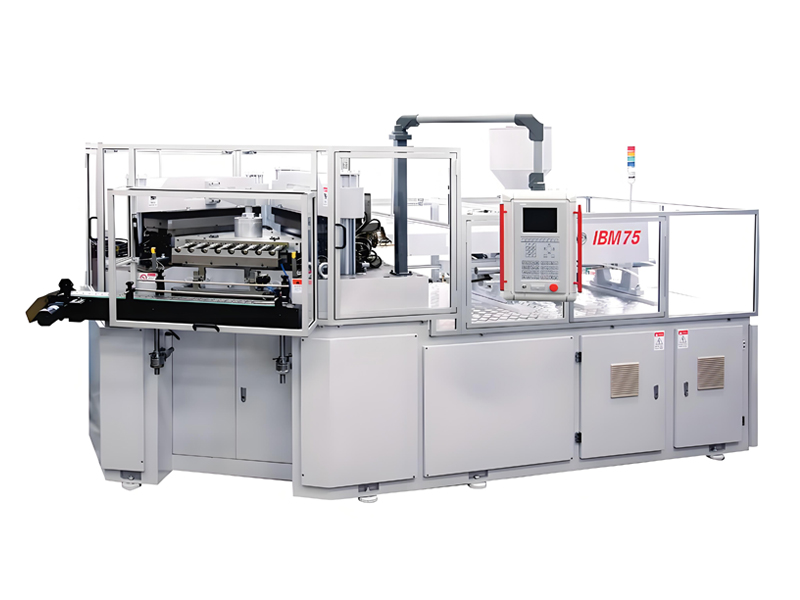
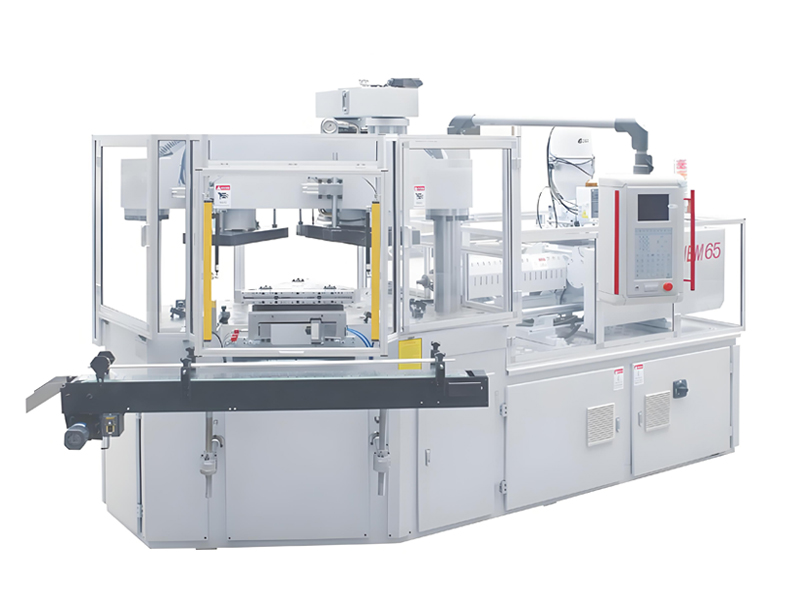
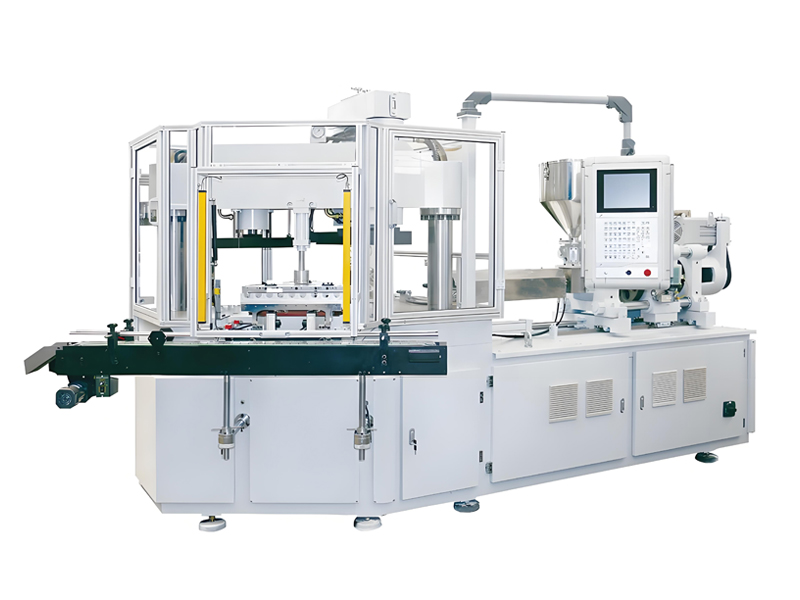
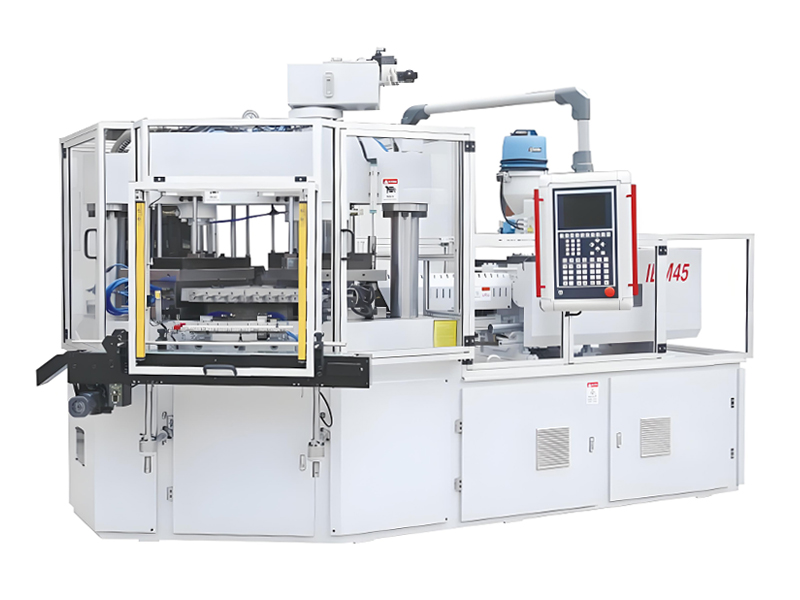
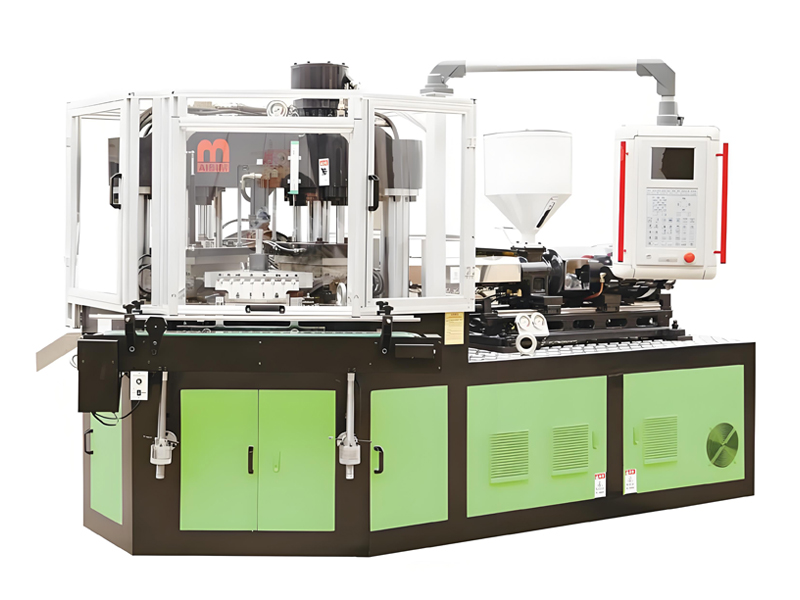
Modern injection blow molding machines have evolved from purely mechanical systems into sophisticated intelligent production units powered by advanced software control systems. The integration of smart control technology has revolutionized production capabilities, enabling unprecedented precision, efficiency, and automation in plastic container manufacturing. AiBiM China has developed cutting-edge software solutions that transform injection blow molding equipment into intelligent production systems capable of self-optimization, real-time monitoring, and seamless integration with Industry 4.0 manufacturing environments.
The evolution of injection blow molding machine control systems reflects broader trends in industrial automation and digitalization. Early machines relied on simple relay-based controls and manual adjustments, requiring significant operator skill and experience to achieve consistent product quality. Modern systems incorporate programmable logic controllers (PLC), human-machine interfaces (HMI), and sophisticated control algorithms that automate complex processes, reduce operator dependency, and enable consistent high-quality production. AiBiM’s smart control systems represent the state-of-the-art in injection blow molding machine automation, incorporating decades of experience with the latest industrial automation technologies.
The economic impact of smart control systems on injection blow molding operations is substantial. Automated control reduces material waste by 15 to 30 percent through precise process control and optimization. Energy consumption decreases by 20 to 35 percent through intelligent power management and process optimization. Production capacity increases by 25 to 50 percent through faster cycle times, reduced changeover time, and continuous operation. Labor requirements decrease by 30 to 60 percent through automation and simplified operation. Quality consistency improves dramatically, with reject rates typically reduced by 50 to 80 percent compared to manual operation. AiBiM’s control systems are designed to maximize these economic benefits while maintaining flexibility and ease of use.
Control System Architecture
Modern injection blow molding machine software is built on a layered architecture that integrates multiple control functions and systems. Understanding this architecture is essential for effective system operation, maintenance, and optimization. AiBiM’s control systems exemplify best practices in industrial automation architecture.
PLC (Programmable Logic Controller) layer provides real-time control of machine functions and processes. This layer executes control algorithms, manages safety functions, and coordinates machine operations. PLC programming follows IEC 61131-3 standards using structured languages including ladder logic, function block diagrams, and structured text. The PLC handles time-critical functions including motion control, temperature regulation, pressure control, and safety monitoring. AiBiM utilizes high-performance PLCs from leading manufacturers including Siemens, Beckhoff, and Omron, ensuring reliability and industry-standard programming approaches. PLC cycle times are optimized to 1 to 5 milliseconds for precise control of fast-moving processes.
HMI (Human-Machine Interface) layer provides operator interaction with the machine through graphical interfaces. Modern HMIs feature high-resolution touchscreens with intuitive graphical displays of machine status, production data, and control parameters. AiBiM’s HMI systems are designed with user-friendly interfaces that simplify machine operation while providing comprehensive access to process parameters and diagnostic information. Screen layouts follow ergonomic principles with critical information prominently displayed and control functions organized logically according to workflow. Multi-language support enables global deployment, with language packages available for major markets. HMI communication with the PLC occurs via industrial networks including PROFINET, EtherCAT, or Modbus TCP, ensuring fast and reliable data exchange.
SCADA (Supervisory Control and Data Acquisition) layer provides monitoring and control of multiple machines or entire production lines. This layer aggregates data from individual machines, provides higher-level production monitoring, and enables coordinated control of line operations. AiBiM’s SCADA solutions provide real-time visualization of line performance, production statistics, and quality metrics across multiple machines. The system enables centralized recipe management, production scheduling, and coordination between line equipment. Historical data collection supports production analysis and continuous improvement initiatives. SCADA systems are typically implemented on industrial PCs with redundant servers for critical applications, ensuring high availability and reliability.
MES (Manufacturing Execution System) integration layer connects production equipment with enterprise management systems. This integration enables automatic production order management, real-time reporting, and closed-loop control of production processes. AiBiM’s control systems support standard MES integration protocols and APIs, enabling connection to leading MES platforms including SAP ME, Rockwell FactoryTalk, and Siemens SIMATIC IT. Integration enables automatic downloading of production orders, upload of production data, and synchronization with quality management systems. The result is closed-loop manufacturing where production execution automatically follows enterprise planning and quality requirements.
IoT (Internet of Things) connectivity layer enables remote monitoring, predictive maintenance, and cloud-based analytics. This layer provides secure connectivity to cloud platforms, remote access capabilities, and data analytics functions. AiBiM’s IoT connectivity solutions enable remote monitoring of machine performance, predictive maintenance alerts, and cloud-based data analytics. Secure connectivity protocols ensure data integrity and protect against cyber threats. Cloud-based analytics provide insights into machine performance, production optimization opportunities, and maintenance scheduling. IoT connectivity enables AiBiM to provide remote support, software updates, and performance optimization services.
Core Control Functions
Injection blow molding machine software implements multiple core control functions that work together to ensure precise process control and high-quality production. These functions are the foundation of smart control capabilities.
Temperature control systems manage heating and cooling throughout the injection blow molding process. Multiple temperature zones require precise control including barrel heaters, nozzle heaters, mold temperature control, and cooling system control. PID (Proportional-Integral-Derivative) control algorithms are commonly used, with advanced implementations including adaptive PID and model predictive control for improved performance. AiBiM’s temperature control systems feature multi-zone independent control with typical temperature stability of ±1°C or better. Advanced features include temperature ramp profiles for startup, adaptive tuning for different materials, and energy optimization algorithms that minimize power consumption while maintaining temperature stability. Temperature control performance is verified through real-time monitoring and alarm systems that alert operators to temperature excursions.
Pressure and flow control systems manage hydraulic system operation and material injection processes. Precise control of injection pressure, holding pressure, and hydraulic flow rates is critical for consistent product quality. Modern systems use closed-loop control with high-resolution pressure transducers and flow meters. AiBiM’s pressure control systems feature digital proportional valves with response times under 10 milliseconds, enabling precise pressure profile control. Pressure profiles can be programmed for different injection phases including injection, holding, and decompression. Flow control enables optimization of cycle time while maintaining process stability. Advanced features include pressure profile learning for automatic optimization and adaptive control that compensates for material property variations.
Position and motion control systems manage machine movements including clamp operation, injection unit movement, and mold opening/closing. High-precision position control is essential for consistent mold positioning and repeatable machine operation. Servo motor control with encoder feedback provides sub-millimeter positioning accuracy. AiBiM’s motion control systems feature electronic cam profiles for smooth motion, programmable positions for different mold configurations, and adaptive motion algorithms that optimize cycle time. Synchronization between multiple axes ensures coordinated machine operation and prevents mechanical interference. Advanced features include collision detection, adaptive speed control based on load, and automatic optimization of motion profiles for energy efficiency.
Process parameter management systems store and apply optimized parameter sets for different products and materials. Recipe management enables quick changeovers between products and ensures consistent process settings. AiBiM’s parameter management systems support hierarchical recipe structures with default values, customer-specific settings, and machine-specific parameters. Recipes include all critical process parameters including temperatures, pressures, positions, and timing settings. Version control tracks recipe changes and enables rollback if needed. Integration with MES systems enables automatic recipe downloading based on production orders. Recipe security features protect against unauthorized modifications and maintain process consistency.
Quality control systems monitor production and detect quality issues in real-time. These systems use sensors and algorithms to evaluate product quality without requiring manual inspection. AiBiM’s quality control systems include vision inspection for surface defects, weight monitoring for dimensional accuracy, and process monitoring for parameter excursions that indicate quality problems. Statistical process control (SPC) capabilities track key quality indicators and generate alerts when trends indicate potential quality issues. Advanced systems include machine learning algorithms that learn from production data and improve quality prediction accuracy. Quality data is stored and can be analyzed to identify opportunities for process improvement.
Intelligent Features and Automation
Modern injection blow molding machine software incorporates intelligent features that automate complex tasks and optimize production without constant operator intervention. These features represent the transition from simple control to smart automation.
Automatic setup functions reduce changeover time and minimize operator skill requirements. These functions automatically determine optimal settings based on mold characteristics and product requirements. AiBiM’s automatic setup systems include mold height detection, mold centering, and automatic positioning of machine components. Advanced systems include automatic determination of optimal injection profiles based on material properties and product geometry. Setup procedures that previously required hours of manual adjustment can be completed in minutes with automatic setup functions. The result is faster changeovers between products, reduced operator dependency, and more consistent setup results.
Self-optimization algorithms continuously adjust process parameters to maintain optimal production conditions. These algorithms monitor process performance and make incremental adjustments to compensate for material variations, environmental changes, and equipment aging. AiBiM’s self-optimization systems include adaptive temperature control that adjusts for ambient temperature changes, automatic pressure optimization that maintains consistent product dimensions, and cycle time optimization that finds the fastest cycle consistent with quality requirements. Self-optimization enables consistent product quality over extended production runs with minimal operator intervention. Machine learning algorithms can learn from production data and improve optimization strategies over time.
Predictive maintenance capabilities anticipate equipment failures before they cause unplanned downtime. These capabilities monitor equipment health indicators including motor currents, vibration signatures, and thermal performance to identify developing problems. AiBiM’s predictive maintenance systems include continuous monitoring of critical components, pattern recognition algorithms that identify developing fault signatures, and alerts that notify maintenance personnel of potential issues. Advanced systems use machine learning to establish baseline performance and detect deviations that indicate maintenance needs. Predictive maintenance enables scheduled maintenance during planned downtime rather than emergency repairs, reducing unplanned downtime and maintenance costs.
Energy optimization functions minimize power consumption without compromising production performance. These functions optimize machine operation to reduce energy waste and improve efficiency. AiBiM’s energy optimization systems include servo motor control that regenerates braking energy, pump speed control that matches hydraulic power to actual demand, and intelligent standby modes that reduce power consumption during idle periods. Advanced systems analyze energy consumption patterns and identify optimization opportunities. Energy monitoring capabilities track consumption by machine function and help identify energy-intensive operations. Energy optimization typically reduces power consumption by 20 to 35 percent compared to conventional hydraulic systems.
Production tracking and reporting functions provide real-time visibility into production performance and enable data-driven production management. These functions track production metrics including throughput, reject rates, and machine uptime. AiBiM’s production tracking systems include real-time dashboards showing current production status, detailed production reports summarizing performance over specified periods, and trend analysis that identifies performance patterns. Integration with MES systems enables automatic reporting to enterprise management systems. Production data is stored in databases for long-term analysis and continuous improvement initiatives. Advanced analytics capabilities identify opportunities for process improvement and optimization.
HMI Design and User Experience
Human-machine interface design significantly impacts operator productivity, training requirements, and overall system usability. Modern HMI design principles emphasize intuitive operation, clear information presentation, and efficient workflow support.
Screen layout and organization follow established human factors principles to maximize usability. Critical information is displayed prominently in standardized locations to minimize operator search time. Control functions are organized according to workflow, with frequently used controls readily accessible and less common functions grouped logically. AiBiM’s HMI designs follow ISO 9241 and other applicable usability standards, ensuring consistent and predictable interface behavior. Color coding uses industry-standard conventions with red for alarms and warnings, green for normal operation, and yellow for caution states. Typography uses clear, readable fonts with appropriate sizing for screen reading distances. Screen transitions are smooth and fast, minimizing operator wait time.
Navigation design enables efficient movement between screens and functions without complex menu structures. Flat navigation structures with clearly labeled menu items reduce the number of steps to access any function. Context-sensitive menus show relevant options based on current machine state and operator permissions. AiBiM’s navigation design includes quick-access buttons for frequently used functions, breadcrumb trails showing current location within the menu structure, and keyboard shortcuts for experienced operators. Screen history functions enable rapid return to previous screens. Navigation efficiency is measured and optimized during system testing to minimize operator interaction time.
Data visualization presents process information in formats that enable rapid understanding and decision-making. Graphical displays of machine status use standard symbols and intuitive representations. Real-time trends show process variables over time with configurable time ranges. AiBiM’s data visualization includes graphical machine status displays, real-time trend charts for key parameters, and graphical process overviews showing material flow and machine states. Color coding enhances data interpretation with clear indication of alarm states, normal ranges, and caution conditions. Comparative displays show current values against setpoints or historical values. Visualization techniques are tailored to different user needs with different displays for operators, maintenance personnel, and supervisors.
Alarm and notification systems ensure operators are aware of significant events that require attention. Alarms are prioritized and presented with clear descriptions and recommended actions. Historical alarm logs provide information about past events for troubleshooting and trend analysis. AiBiM’s alarm systems include configurable alarm priorities, acknowledgment requirements for critical alarms, and automatic notification methods including on-screen displays and external indicators. Alarm filtering prevents alarm flooding while ensuring critical alarms are not missed. Alarm analysis tools identify frequent alarms and help reduce nuisance alarms. Alarm management follows ISA 18.2 and other industry standards for alarm system design.
Multi-language support enables global deployment and reduces training requirements for international operations. Screen text, alarm messages, and documentation can be switched between languages as needed. AiBiM’s systems support major languages including English, Chinese, Spanish, Russian, and Arabic with additional languages available on request. Language switching can be performed during operation without restarting the system. Technical terms use consistent translations across all language versions. Language-specific formatting including right-to-left text layout is properly implemented. Regular updates ensure language packs reflect current terminology and usage.
Connectivity and Integration
Modern injection blow molding machine software must integrate with broader manufacturing systems and support various connectivity requirements. This integration enables coordinated production operations and data sharing across the enterprise.
Industrial networking protocols enable communication between machine control systems and external systems. Standard protocols including PROFINET, EtherCAT, Modbus TCP, and OPC UA are commonly used. AiBiM’s control systems support multiple protocols to ensure compatibility with customer infrastructure. Network configuration is simplified through auto-discovery capabilities and intuitive configuration interfaces. Redundant networking options provide high availability for critical applications. Network security features protect against unauthorized access while enabling legitimate connectivity needs. Protocol gateways enable communication between different network types when required.
MES integration connects production equipment with enterprise manufacturing execution systems. This integration enables automatic downloading of production orders, upload of production data, and synchronization with quality management systems. AiBiM’s MES integration supports standard interfaces including OPC UA and web services, enabling connection to leading MES platforms. Production order information including product specifications and quantity is automatically downloaded to machines. Production data including throughput, quality metrics, and machine status is automatically uploaded. Integration reduces manual data entry errors and enables real-time visibility of production status across the enterprise.
ERP integration connects production equipment with enterprise resource planning systems. This integration enables automatic updating of inventory, production completion reporting, and coordination with supply chain systems. AiBiM’s ERP integration supports standard integration methods and can be customized to specific ERP system requirements. Production completion data automatically updates ERP records, material consumption data updates inventory records, and production plan changes can be communicated to production equipment. Integration improves data accuracy and reduces administrative overhead.
Cloud connectivity enables remote monitoring, data analytics, and remote support capabilities. Secure connections to cloud platforms provide access to advanced analytics without requiring on-premise infrastructure. AiBiM’s cloud solutions include remote machine monitoring, predictive maintenance analytics, and performance benchmarking. Security measures including encryption and access controls protect data integrity and system security. Cloud-based analytics provide insights that would be difficult or impossible to generate with on-premise systems alone. Remote support capabilities enable AiBiM experts to provide assistance without traveling to customer sites.
Security Considerations
Industrial control system security has become increasingly important as connectivity increases and cyber threats evolve. Modern injection blow molding machine software must incorporate comprehensive security measures.
Network security measures protect against unauthorized access to control systems. Firewalls, network segmentation, and secure authentication mechanisms are fundamental security measures. AiBiM’s control systems include firewalls that restrict network access to authorized traffic only, network segmentation that separates control networks from office networks, and user authentication with role-based access control. Regular security updates address emerging threats. Security policies define acceptable use and access requirements. Network monitoring detects potential security incidents. These measures protect against common cyber threats while maintaining system usability.
Application security measures protect against vulnerabilities in control system software. Secure coding practices, regular security testing, and prompt vulnerability remediation reduce the risk of application-level attacks. AiBiM’s software development processes include security reviews, penetration testing, and vulnerability scanning. Secure coding guidelines are enforced throughout development. Application whitelisting prevents execution of unauthorized software. Regular software updates include security patches and improvements. Application security is maintained throughout the product lifecycle with ongoing monitoring and response.
Physical security measures protect against unauthorized physical access to control systems. Equipment enclosures, access control systems, and monitoring cameras protect critical control components. AiBiM’s systems include lockable control cabinets that house critical control hardware, access control that restricts control system modifications to authorized personnel, and monitoring systems that detect unauthorized access attempts. Physical security is integrated with logical security measures for comprehensive protection. Security policies define access requirements and procedures. Regular security reviews ensure physical security measures remain effective.
Backup and recovery procedures protect against data loss and system failures. Regular backups of critical data, tested recovery procedures, and redundant system components ensure business continuity. AiBiM’s backup strategies include automatic daily backups of configuration data, system images that enable rapid recovery after failures, and offsite backup storage for disaster recovery. Recovery procedures are regularly tested to ensure effectiveness. Redundant components including power supplies and network connections improve system availability. Business continuity planning identifies critical systems and defines recovery priorities and procedures.
Cost Analysis and Economic Benefits
Understanding the complete cost structure and economic benefits of smart control systems is essential for investment decisions. The economic case for advanced control systems includes both direct cost savings and strategic benefits.
Initial investment costs for smart control systems vary based on system complexity and capabilities. Basic PLC-based control systems typically cost USD 15,000 to USD 25,000 for standard injection blow molding machines. Advanced systems with HMI, SCADA integration, and IoT connectivity typically cost USD 30,000 to USD 50,000. Full-featured systems including MES integration and advanced analytics typically cost USD 50,000 to USD 80,000. AiBiM’s standard control systems are included in machine pricing, with optional advanced features available as upgrades. Investment costs can often be recovered within 12 to 24 months through operational savings and increased productivity.
Operational cost savings come from multiple sources including reduced material waste, lower energy consumption, and reduced labor requirements. Material waste reductions of 15 to 30 percent save USD 20,000 to USD 60,000 annually for typical production operations. Energy consumption reductions of 20 to 35 percent save USD 10,000 to USD 30,000 annually depending on local energy costs. Labor requirement reductions of 30 to 60 percent save USD 30,000 to USD 80,000 annually depending on labor costs. Reduced changeover time saves additional USD 5,000 to USD 15,000 annually through increased productive time. Total operational savings typically range from USD 65,000 to USD 185,000 annually for production operations implementing advanced control systems.
Productivity gains from faster cycle times, higher machine availability, and improved quality contribute significantly to economic benefits. Cycle time reductions of 10 to 20 percent increase production capacity by 5 to 15 percent after accounting for limitations. Machine availability improvements of 5 to 10 percentage points through predictive maintenance add significant production capacity. Quality improvements with reject rate reductions of 50 to 80 percent reduce material waste and rework requirements. Productivity gains typically increase revenue by USD 100,000 to USD 300,000 annually for typical production operations, representing 10 to 30 percent of existing production revenue.
Strategic benefits include improved quality consistency, enhanced flexibility for custom production, and improved ability to compete in quality-sensitive markets. Quality consistency improvements reduce customer complaints and returns while improving customer satisfaction. Enhanced flexibility enables production of custom products with shorter lead times, opening new market opportunities. Improved process control enables compliance with stringent quality requirements in regulated markets. These strategic benefits are difficult to quantify precisely but often represent the largest long-term value of smart control systems.
Total cost of ownership including initial investment, operating costs, maintenance costs, and training costs typically yields payback periods of 18 to 36 months for advanced control system investments. After payback, systems continue to generate annual savings and benefits throughout their 10 to 15 year service life. Net present value calculations typically show positive returns within 3 to 5 years. AiBiM provides detailed ROI calculations based on specific customer production data to enable informed investment decisions.
Future Trends and Developments
Injection blow molding machine control technology continues to evolve rapidly, incorporating emerging technologies and capabilities. Understanding these trends helps manufacturers plan for future requirements and competitive advantage.
Artificial intelligence and machine learning are increasingly integrated into control systems to enable enhanced predictive capabilities and autonomous optimization. Machine learning algorithms learn from production data to identify patterns and predict outcomes beyond what traditional algorithms can achieve. AiBiM is actively developing AI-based capabilities including predictive quality control, automatic process optimization, and predictive maintenance. These capabilities enable unprecedented levels of automation and require minimal operator intervention. As AI algorithms improve, machines will increasingly be able to self-optimize for different products and conditions without manual programming.
Digital twin technology creates virtual models of physical machines and processes, enabling simulation and optimization without impacting production. Digital twins can be used for testing process changes, troubleshooting issues, and training operators. AiBiM is developing digital twin capabilities that enable virtual commissioning of new machines, process optimization without production disruption, and predictive simulation of maintenance interventions. Digital twins connect to real machines using real-time data, ensuring accuracy and enabling continuous improvement. This technology will significantly reduce development time and enable more aggressive process optimization.
Augmented reality interfaces provide new ways for operators and maintenance personnel to interact with machines. AR can overlay machine status information, maintenance instructions, and process data directly on the physical machine using smart glasses or tablets. AiBiM is exploring AR interfaces for maintenance guidance, operator training, and remote support applications. AR interfaces reduce training time by providing contextual information, improve maintenance accuracy by providing step-by-step guidance, and enable remote experts to see what on-site personnel see for more effective support. AR technology will become increasingly practical as hardware improves and costs decrease.
Edge computing brings data processing closer to machines, enabling real-time analytics and reduced dependence on cloud connectivity. Edge computers installed on or near machines can perform complex analytics locally, reducing latency and bandwidth requirements. AiBiM is incorporating edge computing capabilities for real-time quality inspection, local predictive maintenance, and edge-to-cloud data synchronization. Edge computing enables advanced capabilities even when cloud connectivity is unavailable, improving system reliability and enabling deployment in remote locations. As edge computing hardware becomes more powerful and cost-effective, more processing will move from central servers to edge devices.
Implementation and Best Practices
Successful implementation of smart control systems requires careful planning, proper execution, and ongoing management. Following best practices ensures successful deployment and maximum value realization.
System selection should be based on thorough evaluation of requirements, capabilities, and total cost of ownership. Requirements should include functional needs, integration requirements, and future expansion plans. Capabilities should be evaluated through demonstrations and reference site visits. Total cost of ownership should consider initial investment, operating costs, maintenance costs, and upgrade costs. AiBiM provides comprehensive system evaluations and recommendations based on detailed analysis of customer requirements. System selection decisions should balance current needs with future requirements to avoid frequent system replacements.
Implementation planning should address all aspects of deployment including hardware installation, software configuration, integration with existing systems, and training. Detailed project plans with timelines, responsibilities, and milestones reduce implementation risks. Integration planning should identify required interfaces and develop appropriate solutions. Training planning should address different user groups with appropriate content and timing. AiBiM provides comprehensive implementation support including project management, system integration, and training services. Proper planning typically reduces implementation time by 30 to 50 percent compared to unplanned deployments.
Operator training is critical for realizing the full value of smart control systems. Training should be role-specific, with different content for operators, maintenance personnel, and supervisors. Hands-on training with actual systems builds practical skills. Training should address both normal operation and troubleshooting scenarios. Refresher training should be provided periodically to maintain skills. AiBiM provides comprehensive training programs customized to customer needs. Well-trained operators typically achieve 30 to 50 percent higher productivity than untrained operators and are more capable of maximizing system capabilities.
Ongoing support and maintenance are essential for maintaining system performance and maximizing value. Support services should include technical assistance, software updates, and performance monitoring. Maintenance should be preventive rather than reactive, with scheduled maintenance activities based on usage and manufacturer recommendations. Performance monitoring should identify optimization opportunities and potential issues. AiBiM provides comprehensive support and maintenance services including remote support, on-site assistance, and software updates. Proper support and maintenance typically extend system life by 5 to 10 years and maintain performance throughout the system lifecycle.
Conclusion
Modern injection blow molding machine software and smart control systems have transformed plastic container manufacturing from labor-intensive manual operations to highly automated, intelligent production systems. AiBiM’s advanced control systems incorporate the latest technologies including PLC automation, HMI interfaces, IoT connectivity, and Industry 4.0 integration to provide unprecedented capabilities in precision, efficiency, and automation.
The economic benefits of smart control systems are substantial, with typical payback periods of 18 to 36 months and ongoing savings and benefits throughout the system lifecycle. Beyond direct cost savings, these systems provide strategic advantages through improved quality consistency, enhanced flexibility, and the ability to compete in demanding markets. As technology continues to evolve with AI integration, digital twins, and augmented reality, the capabilities and benefits will continue to expand.
Successful implementation requires careful planning, proper training, and ongoing support. AiBiM provides comprehensive support throughout the implementation process and throughout the system lifecycle. By leveraging AiBiM’s smart control technology and expertise, manufacturers can achieve significant competitive advantages through improved productivity, reduced costs, and enhanced capabilities.